
A Song for a Girl From Kansas
The journey for "Over the Rainbow" began with a specific need. The producers of The Wizard of Oz wanted a show-stopping ballad for their young star, one that could rival the success of "Someday My Prince Will Come" from Disney's recent hit, Snow White
and the Seven Dwarfs. They tasked the songwriting duo of Harold Arlen and Yip Harburg with creating an "I want" song—a number sung early in the story to express a protagonist's deepest desires. The idea was to capture the yearning of a girl stuck in the drab, colorless world of Kansas who dreams of a more vibrant existence. Inspiration, however, wasn't immediate. Arlen struggled to find the right melody until one day, while his wife was driving them to a movie, he had a sudden flash of insight and jotted down the tune that would become an American standard.
Too Slow, Too Sad, Too Mature
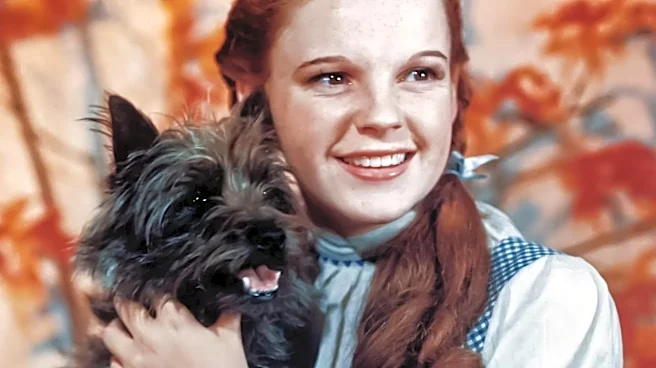
On October 7, 1938, a 16-year-old Judy Garland stepped up to the microphone at the MGM soundstage to record the song. Her performance was simple, emotional, and devastatingly sincere—a far cry from the brassy, vaudeville-style singing common at the time. She sang not as a seasoned performer, but as Dorothy Gale, a lonely girl talking to her dog. But when studio head Louis B. Mayer and other MGM executives saw an early screening, they were unimpressed. Their objections were numerous: the song slowed down the pace of the movie, it was too somber, and the idea of their star singing in a barnyard set felt undignified. Convinced it would go over the heads of children, they ordered the scene to be cut from the film.
The Fight to Save a Masterpiece
The decision to remove "Over the Rainbow" sparked a quiet rebellion on the MGM lot. The song's most passionate defender was associate producer Arthur Freed, who had hired Arlen and Harburg and believed deeply in their work. He, along with producer Mervyn LeRoy, argued fiercely for the song's inclusion. According to Hollywood legend, Freed delivered an ultimatum to Louis B. Mayer, reportedly saying, "The song stays—or I go." Faced with the potential departure of a key producer, and after persistent lobbying, Mayer relented. He allegedly dismissed the argument by saying, "Let the boys have the damn song. Put it back in the picture. It can't hurt." It was a decision made with a shrug, one that would accidentally preserve a piece of cinematic immortality.
From the Cutting Room Floor to Cultural Anthem
The song that was almost thrown away went on to win the Academy Award for Best Original Song. More importantly, it became intertwined with Judy Garland's own identity, a signature tune she would perform for the rest of her life. She called the song "sacred" and felt it symbolized all her own dreams and wishes, which is perhaps why it resonated so deeply with audiences. The song's journey from a moment of creative inspiration to a point of intense studio conflict, only to be saved by the passionate conviction of its champions, is a testament to the fragile and unpredictable nature of art. What was once deemed a pace-killer by executives became the very soul of the film and was eventually voted by the Recording Industry Association of America as the greatest song of the 20th century.