





From Footwear to Financial Asset
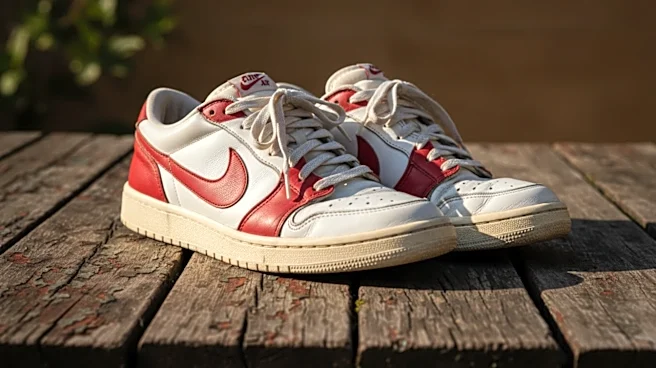
In the world of sneaker collecting, the term “deadstock” is king. Originally a retail term for old, unsold inventory, it has been repurposed to signify the highest state of being for a collectible shoe: brand new, never worn, and in its original box.
This isn’t just about keeping things tidy; it’s about preserving value. The global sneaker resale market is a multi-billion dollar industry, with platforms like StockX and GOAT turning rare shoes into tradable commodities. A deadstock pair isn't just footwear; it’s an asset, an investment, a piece of a portfolio. This mindset has created a culture of preservation where the ultimate goal is to keep the shoe in a state of suspended animation, its value tied directly to its untouchable, unworn status. The shoe is no longer an item of clothing but a trophy in a display case, its potential forever locked away.
Designed for Pavement, Not a Pedestal
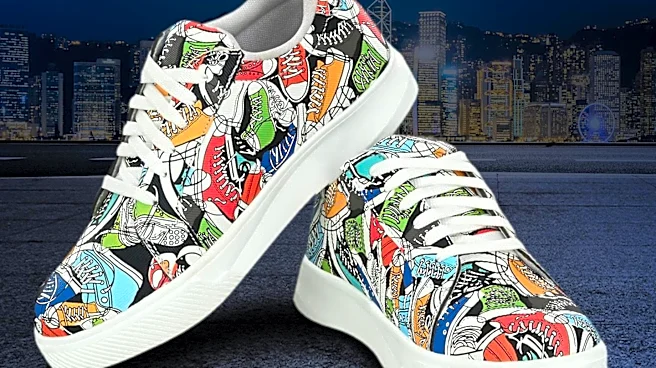
This obsession with pristine condition ignores the very soul of the sneaker: its design. A pair of Air Jordans was engineered for the basketball court, with cushioning and support meant to handle explosive movements. Running shoes are crafted for comfort and performance over miles of pavement. Skate shoes are built with durable materials designed to grip a board and withstand abrasion. When we refuse to wear them, we divorce them from their intended function. We admire the aesthetics of a performance machine but refuse to ever turn the key. The beauty of a sneaker isn’t just in its colorway or silhouette; it’s in how it performs and moves with a human body. By treating them as delicate artifacts, the culture of deadstock effectively renders the brilliant work of designers and engineers irrelevant, reducing their functional art to a static object.
A Story in Every Scuff
There is an undeniable beauty in a well-worn pair of sneakers. While some collectors may recoil at the thought of a crease on the toe box, others see it as a mark of character. Those scuffs, fades, and wrinkles tell a story. They are a physical record of concerts attended, cities explored, and daily life lived. A pristine sneaker is a blank canvas, but a worn sneaker is a finished painting, unique to its owner. In fact, some shoes, like classic canvas Chuck Taylors, are often considered to look better once they've been broken in and lost their out-of-the-box stiffness. This perspective champions the idea of “wearing your kicks,” a philosophy that encourages owners to use their shoes as intended and, in doing so, make them truly their own. Letting a shoe crumble from sole rot in a box is a far greater tragedy than a few scuffs from a memorable night out.
Reclaiming the Culture
Sneaker culture was born on the streets, on basketball courts, and in skate parks. It was about expression, community, and identity. The shift towards treating sneakers as financial instruments risks sanitizing this vibrant history, turning participants into spectators who are more concerned with market trends than personal style. Choosing to wear a coveted pair of sneakers can be a small act of rebellion against this financialization. It’s a statement that you bought the shoes to be a part of the culture, not just to profit from it. It’s about enjoying the craftsmanship, the comfort, and the style for yourself. It’s choosing to create your own story with the shoes on your feet, rather than letting them sit silently in a box, waiting for a value that only exists on a screen.