


The Cult of the Opening Weekend
For decades, a movie’s opening weekend has been treated like a presidential election night. Studios spend hundreds of millions on marketing to create an inescapable sense of urgency, driving audiences to theaters in the first 72 hours. The media plays
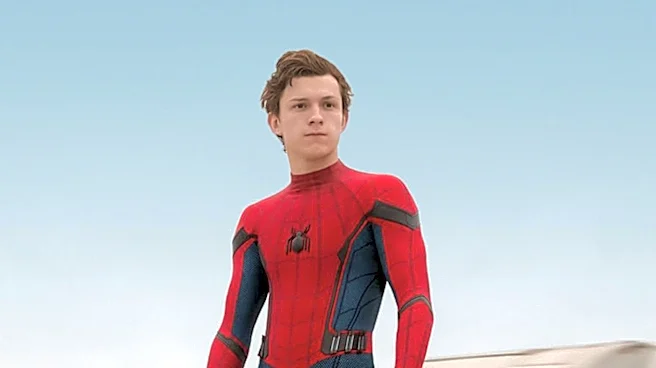
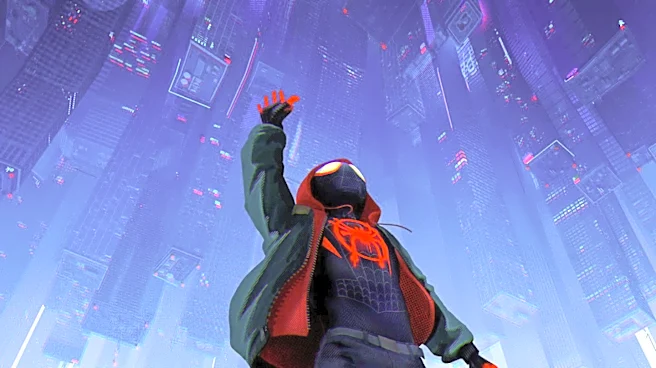
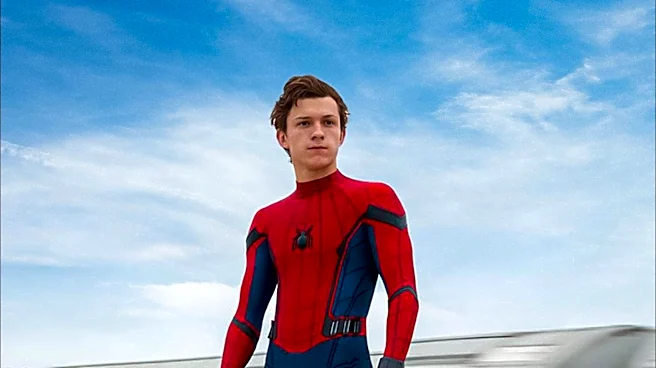
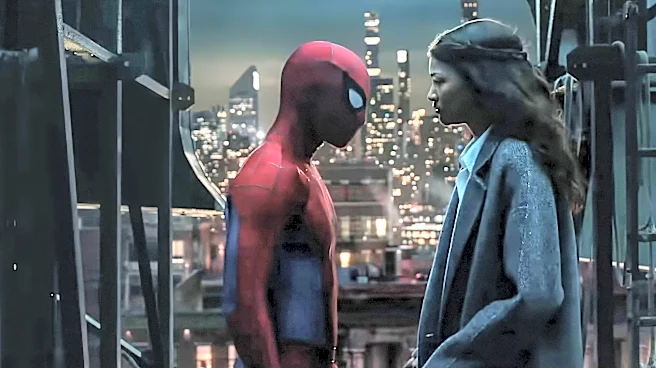
along, splashing the record-breaking figures across every platform. A massive opening is seen as immediate validation—a sign that the marketing worked and the film is an event. This summer, "Spider-Man: Brand New Day" smashed records with a colossal opening, reaffirming the power of a perfectly executed blockbuster launch. That initial number is crucial because it can dictate a film's entire narrative. A strong start ensures a longer theatrical run and better placement for future streaming and international deals. It’s the first, loud word in a long conversation.
The Marathon, Not the Sprint
But a huge opening can also be deceiving. The real story of a film's success often unfolds in its second, third, and fourth weeks. This is where the concept of “box office legs” comes in. Think of it as a movie's stamina. A film with short legs opens big and then fades quickly as the initial hype wears off. A film with strong legs, however, keeps running. The industry measures this with a simple “multiplier”—a film’s total domestic gross divided by its opening weekend. A blockbuster might have a multiplier of 2.5x, meaning it earned most of its money upfront. But a word-of-mouth hit could have a multiplier of 5x, 10x, or even more. A steep second-weekend drop of over 60% often signals that a film appealed to its core fanbase but failed to attract a broader audience. In contrast, a small drop signifies something much more powerful is at play: people are genuinely loving it.
The Word-of-Mouth Engine
What gives a movie legs? Two things: repeat viewings and word-of-mouth. When a film connects on a deeper level, audiences don’t just see it; they adopt it. They bring friends, they go back themselves, and they become its most passionate evangelists. This is far more effective than any ad campaign because it’s authentic and targeted. Look at a classic example like "The Greatest Showman." It had a modest opening but refused to leave theaters for months, propelled by a soundtrack and feel-good message that audiences couldn't get enough of. Or consider this summer's breakout indie horror hit, "Obsession." It started with a tiny gross but grew weekend after weekend as buzz spread like wildfire, becoming one of the season's most profitable and talked-about films. That kind of organic growth is the holy grail for a studio. It proves the movie has become part of the cultural conversation.
The Front-Loaded Spectacle vs. The Slow Burn
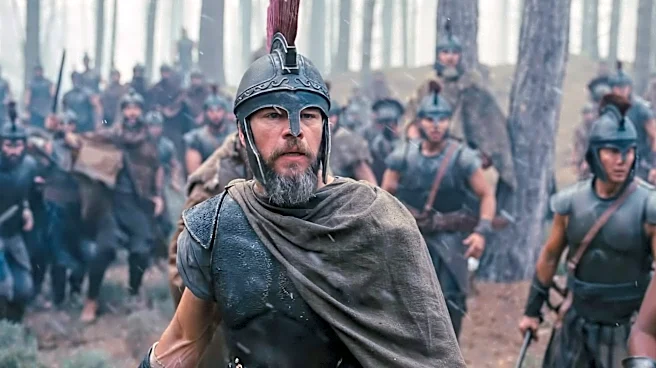
Not every hit needs incredible legs to be a success. Modern event films, like this summer's "Spider-Man: Brand New Day," operate on a different model. They are designed to be front-loaded. They cash in on years of built-up anticipation, delivering a massive spectacle that satisfies a dedicated fanbase on opening weekend. Even with a typical 60% drop in its second weekend, the film had already made so much money that it was an unqualified triumph. Contrast that with Christopher Nolan's epic, "The Odyssey." While its opening wasn't as earth-shattering as Spider-Man's, it has shown remarkable staying power, holding well week after week and drawing audiences to premium formats like Imax. Its long run has allowed it to become Nolan's highest-grossing film ever, a milestone achieved through sustained interest, not just initial hype. Both are hits, but they followed different paths to profitability.
Why 'Legs' Build Lasting Value
So why can a leggy run be more valuable? Because it builds something more durable than just a big number on a spreadsheet: a loyal audience. A front-loaded blockbuster is an event; a leggy film often becomes a classic. The financial value extends far beyond the initial box office. These are the movies that sell merchandise for years, inspire sequels that people actually want, and become perennial favorites on streaming services. The sustained audience engagement means the film has put down deep cultural roots. Think of "My Big Fat Greek Wedding," which ran in theaters for almost a year, or "Napoleon Dynamite," both of which became cultural touchstones despite tiny openings. Their value isn't just in the final gross, but in their lasting place in our collective memory. They didn’t just make money; they made an impact.