


The Slow Burn: TV’s Traditional Promo Machine
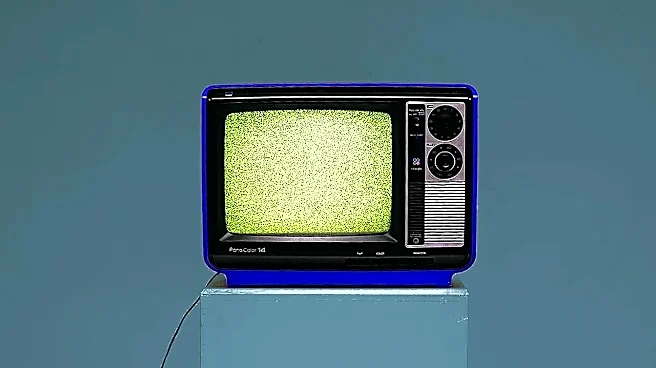
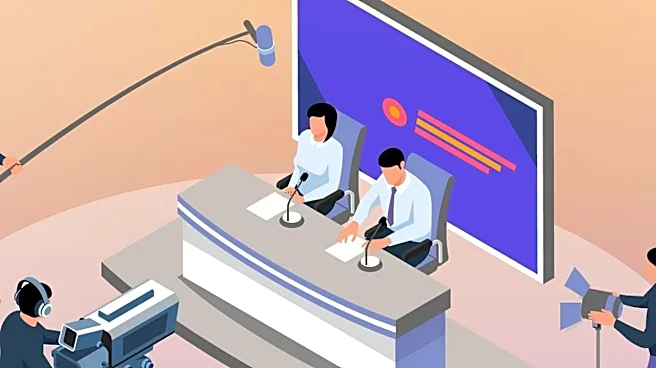
For decades, promoting a new television show was a carefully orchestrated marathon. It began months, sometimes a year, in advance at industry events called upfronts, where networks would pitch their upcoming slates to advertisers. This was followed by
a slow, deliberate rollout: exclusive first-look photos in magazines, a teaser trailer, a full trailer, and a press tour with the cast. Every element was meticulously planned and controlled, designed to build awareness and anticipation in a top-down fashion. The goal was to dominate the cultural conversation through sheer repetition and strategic placement. This traditional model, born in an era of limited channels, relied on reaching a broad, somewhat captive audience. It’s a system built for a world of scarcity, where viewer attention wasn't fractured into a million tiny pieces.
The Wildfire: Gen Z’s Lightning-Speed Meme Engine
Then there’s the Gen Z meme cycle, which operates less like a marathon and more like a wildfire. It’s a bottom-up, chaotic, and incredibly fast phenomenon. A show's success on platforms like TikTok isn't determined by a marketing budget, but by its “meme-ability.” An out-of-context scene, a weird line delivery, a catchy music cue, or a compelling fan-made edit can explode overnight, generating millions of impressions. This form of hype is entirely user-generated and thrives on reinterpretation. The original intent of the scene matters less than its potential as a template for humor, commentary, or a new trend. For a generation skeptical of traditional advertising, this organic buzz feels more authentic and trustworthy. It’s not an ad; it’s a cultural inside joke that everyone can participate in.
When Two Worlds Collide
The core conflict between these two cycles is one of control versus chaos. Network promo cycles are about broadcasting a polished, approved message. Meme cycles are about taking that message, chopping it up, and turning it into something new and often unexpected. While a network spends millions crafting the perfect poster, a teenager with a phone can give a show more relevant exposure with a 15-second clip that goes viral. This has created a dynamic where a network's carefully laid promotional plans can be rendered irrelevant by an unpredictable internet trend. Shows with massive marketing pushes can fail to make a dent, while an obscure series can become a sensation because its content connected with the internet's hive mind. The speed difference is also critical; a meme trend can be born and die in the time it takes for a traditional ad campaign to get corporate approval.
An Uneasy Alliance for the Future
So, what does the future hold? The answer isn't that one model will simply replace the other. Instead, we're seeing an uneasy but necessary alliance forming. Networks and streaming services are increasingly aware of the power of fan-driven hype and are trying to harness it. Some studios have even started hiring fan-edit creators and meme-makers to work on their marketing campaigns, recognizing that these creators understand the language of the internet better than many ad agencies. However, the effort can be fraught. Authenticity is paramount, and Gen Z can easily spot a brand that is clumsily trying to force a meme. A successful attempt feels like joining a conversation, while a failed one feels like a parent trying to use teenage slang—it's just cringe. The smartest players don't try to create the memes themselves; they create content with meme-able potential and let the internet do the rest.