


First, What Exactly Is Astrophage?
Before we can fact-check it, we need to know what we’re dealing with. In the book, Astrophage (“star-eater”) are microscopic, single-celled organisms. Their defining trait is their ability to absorb and store incredible amounts of energy, allowing them
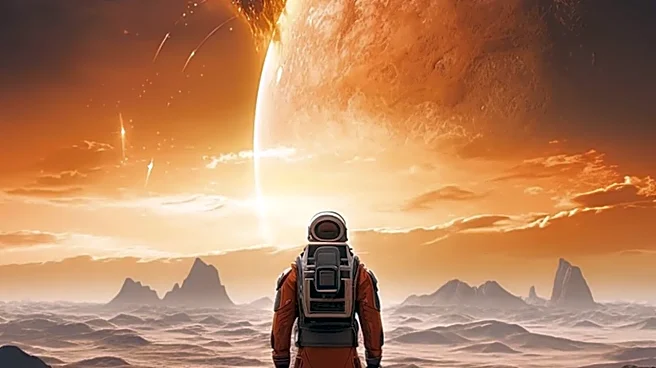
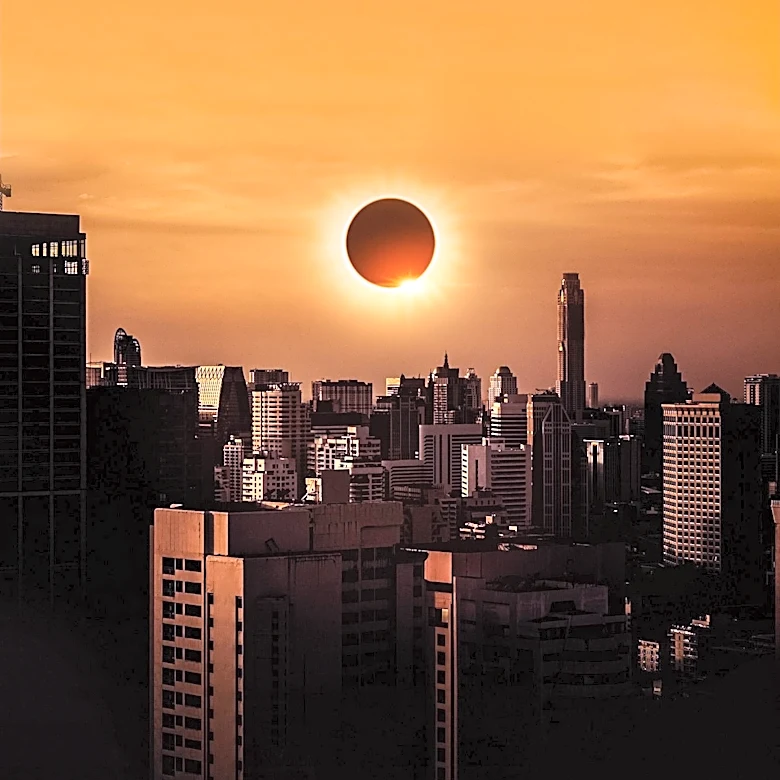
to live on the surface of stars. They are described as perfectly black, absorbing a huge range of radiation. This energy is then used for propulsion, letting them travel between a star and a nearby planet—in our solar system’s case, Venus—where they reproduce in the carbon dioxide-rich atmosphere before returning to the sun. Their life cycle is what causes the sun to dim, creating the book's central crisis. They are, in essence, a combination of a solar panel, a battery, and a rocket engine, all wrapped up in a biological cell.
The Habitat Problem: Life on a Star
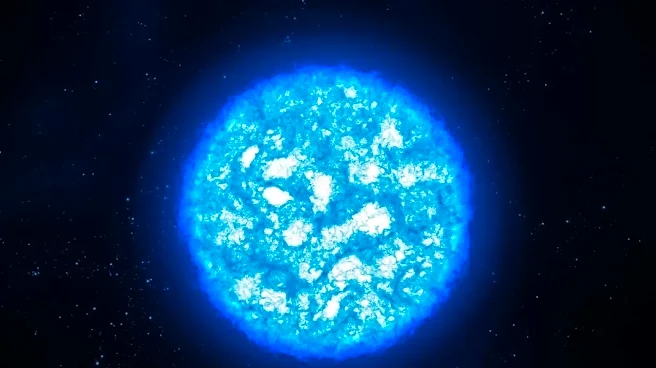
Let’s start with the most extreme claim: living on a star. The surface of our sun is about 10,000 degrees Fahrenheit. At this temperature, complex molecules, the building blocks of life as we know it, would be instantly vaporized. Even the hardiest organisms on Earth, known as extremophiles, have their limits. The current record-holder for heat tolerance is a microbe called Methanopyrus kandleri, which can reproduce at 252°F (122°C), a temperature found in deep-sea hydrothermal vents. While impressive, that's a cool spring day compared to the sun's surface. Scientists have entertained purely hypothetical ideas about life inside stars, perhaps composed of plasma or magnetic fields, but this is far from biology as we understand it. For any carbon-based life with DNA like Astrophage, living on a star is a non-starter.
The Travel Problem: An Interstellar Commute
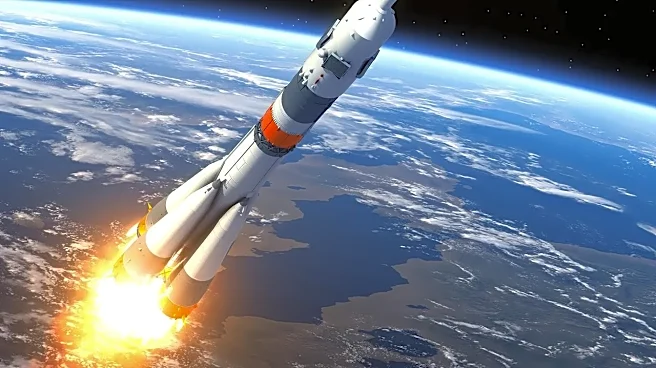
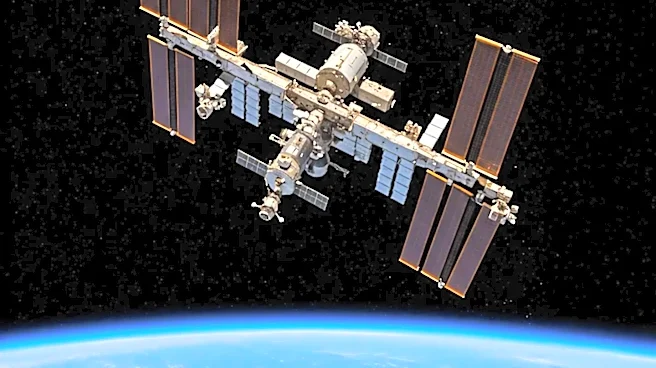
Could a microbe travel through the vacuum of space? This part is surprisingly more plausible. The theory that life can travel between planets or even star systems is called panspermia. Scientists have discovered microbes high in Earth's atmosphere, and some bacteria and spores have survived exposure to the vacuum and radiation of space on the outside of the International Space Station. The most famous of these space survivors are tardigrades, or water bears, which can enter a state of suspended animation to endure extreme radiation, temperatures, and the vacuum of space. So, the idea of a microbe hitching a ride on a comet or asteroid isn't entirely science fiction. However, Astrophage don’t just survive space—they actively propel themselves on a targeted journey, which is a leap beyond any known biological capability.
The Energy Problem: A Perfect Biological Battery
Here’s where things really go off the rails of known biology. Astrophage are described as being near-perfect at converting energy into mass and storing it. On Earth, life converts energy through processes like photosynthesis, but it's famously inefficient, with plants only storing about 1-2% of the solar energy they receive. Life stores this energy in chemical bonds, found in molecules like ATP (adenosine triphosphate) or fats and sugars. These storage methods are sufficient for life's daily needs but are nowhere near the density required to propel a cell across millions of miles of space. The energy storage of Astrophage is more akin to a matter-antimatter reaction than to any known biological process. Achieving that level of energy storage and conversion efficiency with biological materials defies the fundamental laws of chemistry and thermodynamics that govern life on Earth.
The Verdict: Fun Fiction, But Still Fiction
While Astrophage is a brilliant narrative device, an organism with its exact properties almost certainly couldn't exist. While some of its individual traits have faint echoes in the real world—the hardiness of extremophiles, the concept of panspermia, and the ability of life to harness radiation for energy—the combination is pure fiction. The primary barriers are the extreme heat of a star, which would destroy any known biological molecules, and the impossible efficiency of its energy storage system. Life on Earth works by being “good enough,” not perfect. Evolution favors stability and gradual processes, not the volatile, high-density energy storage that Astrophage represents.