





The Unassuming Power Player
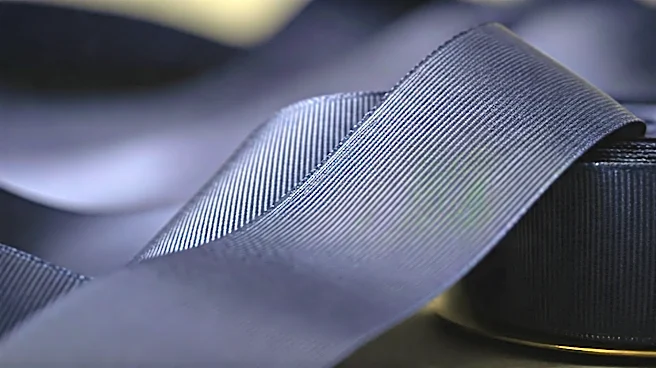
First, what exactly is grosgrain? Unlike its flashy cousin, satin, which is smooth and shiny, or its plush relative, velvet, grosgrain is defined by its distinct ribbed texture. Woven with a heavy corded weft, it has a sturdy, matte finish that feels
both substantial and understated. The name itself comes from the French 'gros grain,' meaning 'large grain,' a nod to its visible texture. This construction gives it unique properties. It's incredibly strong for its weight and holds its shape without being stiff or brittle. While satin ribbon might slip and velvet might crush, grosgrain provides a reliable, non-slip grip and a clean, structural line. This combination of strength and subtlety is precisely what makes it an indispensable tool for the world’s best hat makers, or milliners.
A Hat's Best Friend
The true genius of grosgrain is revealed in its functionality. At Royal Ascot, where hats are not just accessories but feats of engineering, this ribbon performs several critical, often invisible, jobs. Its most important role is often on the inside of the hat. The inner band that sits against the wearer's head, known as the sweatband, is almost always made of grosgrain. Its cotton or silk blend is absorbent and comfortable, while its sturdy weave prevents the hat's opening from stretching out of shape. It provides the secure fit necessary to keep a wide-brimmed creation in place against a sudden gust of wind. Furthermore, grosgrain has a secret talent: it can be coaxed into a perfect circle. Milliners use steam and an iron to gently curve the ribbon, allowing it to conform perfectly to the round base of a hat crown. This technique, called 'blocking' or 'curling,' is unique to grosgrain’s weave. Trying the same with a satin ribbon would result in puckering and wrinkles. This property makes it the ideal material for a crisp, clean band around the outside of a hat, defining its shape with precision.
The Uniform of Elegance
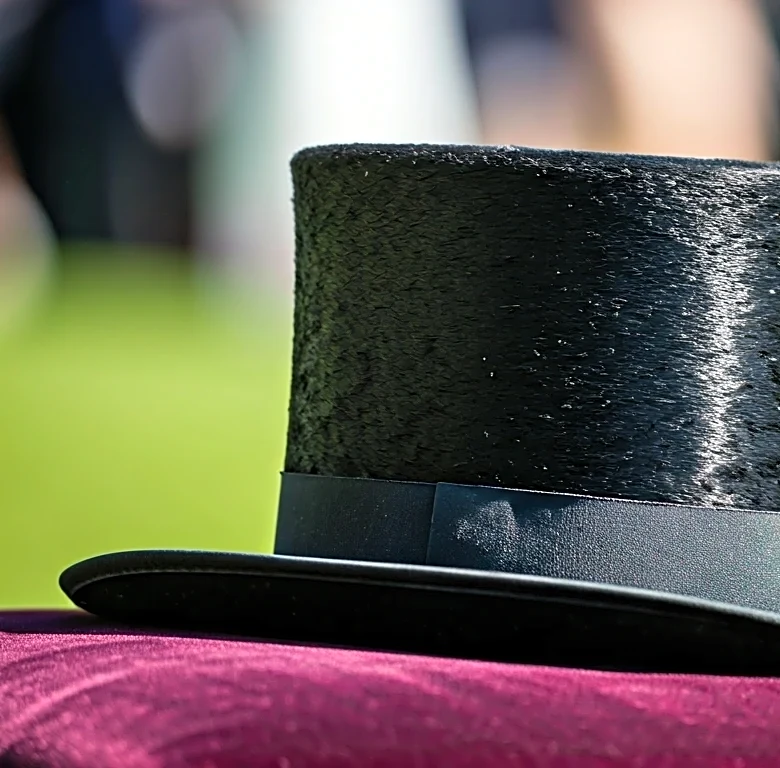
Beyond its practical applications, grosgrain carries a deep cultural and historical significance that aligns perfectly with Ascot’s formal atmosphere. For over a century, it has been the go-to trim for classic headwear, from the preppy boater to the sharp fedora. It’s the material that adorns the lapels of a formal dinner jacket and the band of a top hat—a key component of the men's Morning Dress required in the Royal Enclosure. By appearing on the fantastical creations worn by women, the ribbon serves as a subtle bridge between avant-garde design and deep-rooted tradition. It’s a quiet nod to the history of formalwear, a thread of continuity that connects a modern, gravity-defying fascinator to the timeless rules of sartorial elegance. Its presence is a mark of quality construction and an unspoken understanding of classic style, even when it’s wrapped around a hat shaped like a swan.
The Beauty of Being Understated
Perhaps the greatest argument for grosgrain’s hero status is its commitment to being a supporting actor. In the world of high-fashion millinery, where designers play with extravagant materials like hand-painted silks, delicate crinoline, and shimmering crystals, the ribbon provides a moment of calm. Its matte, textured surface doesn't compete for attention. It doesn't reflect light in a distracting way. Instead, it absorbs it, creating a grounding visual anchor. Think of it as the frame on a masterpiece painting. A simple black grosgrain band can provide the perfect contrast to make vibrant floral arrangements pop. It can define the edge of a sweeping brim, giving it a sharp, graphic finish. It does its job without shouting, allowing the more artistic elements of the hat to take center stage. It’s the quiet confidence of grosgrain that allows the rest of the accessory to be so loud and glorious.