


Go Beyond the Checklist of Hits
The classic tribute show often felt like a live reading of a Wikipedia page: list the hits, play a montage, and bring on a current artist to perform a note-for-note cover. A modern honors special needs to be built around narrative. Instead of just celebrating
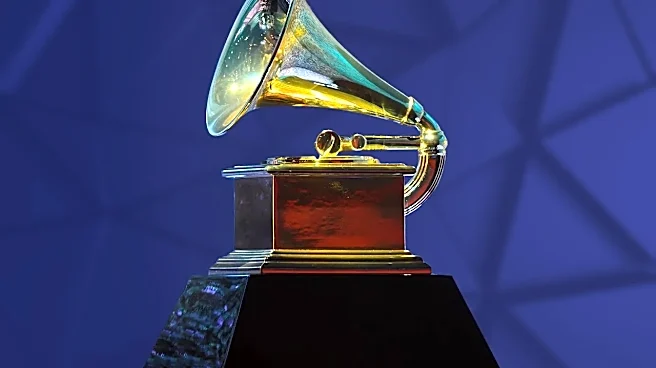
an album, tell the story of its creation. Why did this artist matter then, and why do they still matter now? The 2023 Grammy's 50th-anniversary segment offered a glimpse of this, weaving artists and eras together to tell a broader story. A tribute to a legend like Nas shouldn't just be about "Illmatic"; it should be about how a kid from Queensbridge redefined lyricism and continues to evolve three decades later. The goal isn't just to remind people an artist is great, but to show them why their greatness is permanent.
Create Surprising Artist Collaborations
The old model of having a newer artist perform a faithful cover of a classic song is tired. It rarely lives up to the original and often feels like a missed opportunity. The modern approach should focus on creating unique, one-of-a-kind moments through unexpected collaborations. Instead of having a young rapper cover a Salt-N-Pepa song, pair a current R&B star with a legendary DJ to reinterpret the track. The magic isn't in replication; it's in reinvention. These performances should be designed to be social media moments—clips that fans will share for days. Think less like a tribute band and more like a curated artistic summit where different generations meet to create something new. This approach respects the original while giving a modern audience a reason to care.
Honor the Architects, Not Just the Stars
Hip-hop has always been more than just the voice on the mic. It’s the producer who found the loop, the DJ who broke the record, the regional radio host who championed a local scene, and the filmmaker who documented the culture. A revitalized honors show must broaden its definition of a “pioneer.” The BET Hip Hop Awards, in its prime, understood this by having categories for DJ of the Year and Hustler of the Year. Honoring producers like DJ Premier or the architects of a subgenre like Miami Bass gives the show credibility and depth. It moves beyond the obvious names and educates a new generation on the ecosystem that allowed their favorite artists to thrive. This transforms the show from a celebrity parade into a genuine cultural document.
Design for a Digital Afterlife
In 2026, a live special that only exists for its two-hour broadcast window is a failure. The show must be produced with its digital life in mind from day one. This means more than just having good hashtags. Each performance should be filmed to be easily clipped for TikTok and Instagram Reels. Behind-the-scenes content, from rehearsals to candid interviews, should be captured specifically for online platforms. Consider creating documentary-style short films on each honoree that premiere on YouTube in the week leading up to the event. The live show becomes the climax of a week-long celebration, not the entire event itself. This strategy engages fans across different platforms and ensures the conversation continues long after the credits roll.
Let the Artists Tell Their Own Stories
Nothing kills the energy of a tribute faster than a stiff presenter reading awkwardly from a teleprompter. The most powerful moments come from genuine emotion and unscripted storytelling. Instead of relying on celebrity presenters to explain an honoree's impact, let the artists and their peers do the talking. Use short, beautifully shot documentary packages that feature the honorees in their own element—in their neighborhood, in the studio, or with their families. Let them reflect on their own careers, struggles, and triumphs. When it’s time for the acceptance speech, let it be just that—a speech, not a rushed list of thank-yous. These moments of raw, authentic reflection are what resonate with viewers and separate a memorable tribute from a forgettable awards show.