


Forget the Set, Embrace Separates
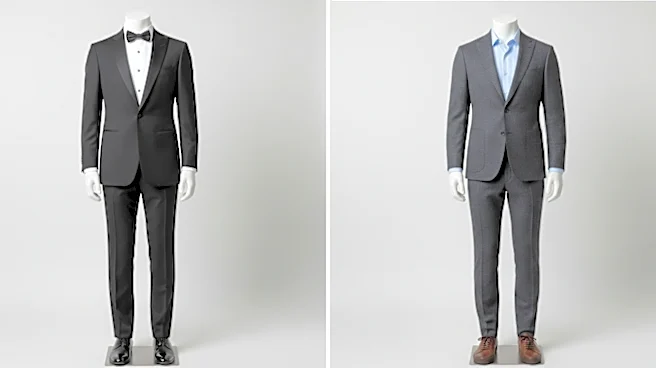
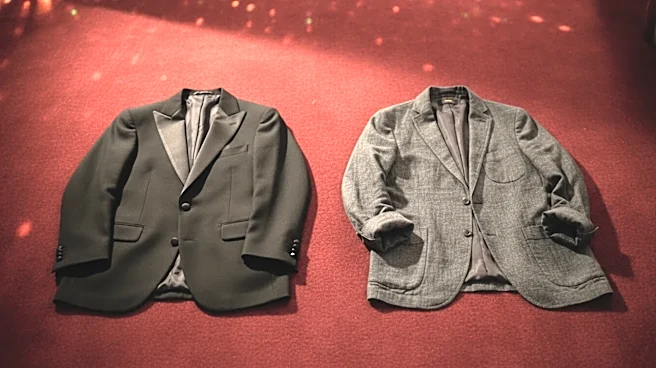
The single most effective strategy is to buy suit separates. Instead of purchasing a jacket and trousers sold as a single unit, you buy them individually. This is the key for anyone whose body doesn't match the standard off-the-rack ratio. If you have
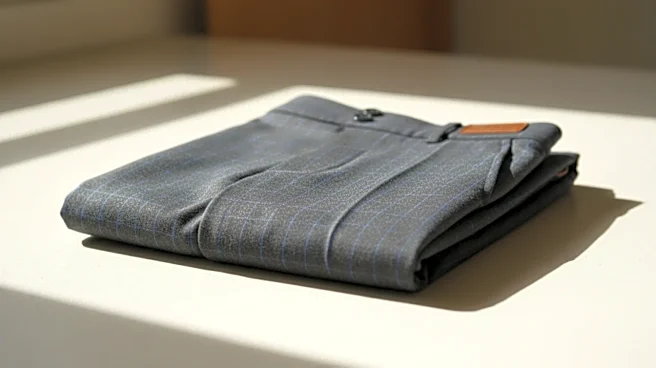
powerful legs from squats and sprints, you can buy trousers that fit your thighs and seat perfectly, then select a completely different, smaller size for your jacket. This approach solves the core problem: you no longer have to buy a massive jacket just to get your legs into the matching pants. Many brands now offer their most popular suits as separates, recognizing that athletic bodies are common.
Master the Material: Fabric is Your Friend
The right fabric can make a world of difference. Look for suiting that incorporates a small amount of stretch, often from spandex or elastane blended with wool or cotton. This modern approach to tailoring provides crucial flexibility and comfort, allowing the fabric to move with you rather than straining at the seams. For overall appearance, many stylists recommend that muscular men stick to darker, solid colors or subtle patterns like pinstripes, which create a slimming, elongating effect. While lightweight fabrics like linen seem appealing, they can wrinkle easily and may lack the durability to withstand friction in high-wear areas. A high-quality, breathable wool or a durable cotton twill often provides a better drape and a sharper silhouette.
Know the Lingo: Understanding the 'Drop'
In the world of suiting, the "drop" is the numerical difference between the jacket's chest size and the trousers' waist size, measured in inches. The standard drop for most American suits is six inches (a "drop 6"), meaning a size 42 jacket is paired with 36-inch waist trousers. This is where athletes run into trouble. An athletic build, with broad shoulders and a narrower waist, often requires a much higher drop of 8, 10, or even more. When you see a suit marketed as "Athletic Fit," it often means it's designed with a higher drop, providing more room in the shoulders and chest while tapering more aggressively at the waist. Knowing your own drop measurement (chest minus waist) empowers you to seek out brands that cater specifically to your build.
Tailoring Isn't a Fix, It's the Finish
No off-the-rack suit will ever fit perfectly. Think of a tailor not as someone who fixes a bad suit, but as the professional who finishes a good one. For athletic builds, tailoring is essential. The most important thing is to fit the largest part of your body first—for the jacket, that's the shoulders, and for the pants, it's the seat and thighs. A tailor can easily take in a jacket's waist to create that V-shape or slim the calves for a clean taper, but they can't easily add fabric to tight shoulders or thighs. When you find trousers that comfortably fit your thighs, a tailor can then adjust the waist and hem for a bespoke-level finish. This final step is what turns a decent-fitting suit into a showstopper.
Key Jacket and Trouser Details
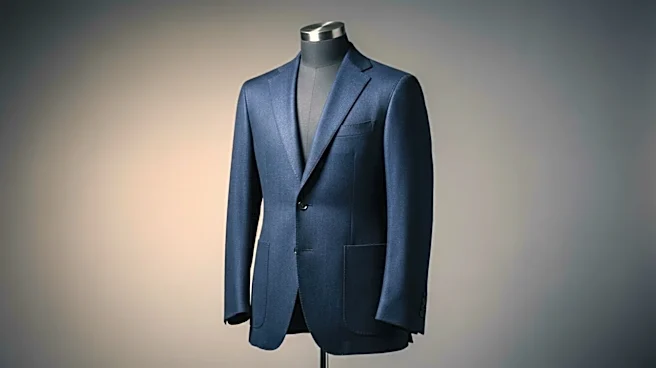
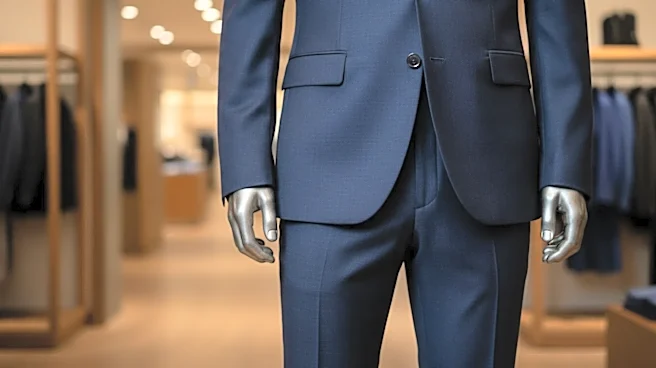
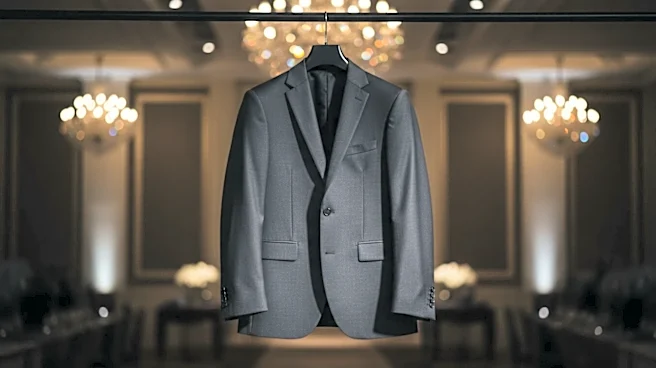
A few specific details can make a suit more flattering for an athletic frame. For the jacket, opt for a single-breasted style with two buttons, which helps visually balance a broader torso better than a one-button or double-breasted jacket might. Double vents (slits) in the back of the jacket are also a must, as they prevent the jacket from pulling or flaring around the hips when you move or put your hands in your pockets. For trousers, don't be afraid of a roomier cut through the thigh. Avoid ultra-slim or skinny fits that will just feel restrictive. A classic or modern cut provides the necessary room, which can then be tapered below the knee by a tailor to maintain a sharp, contemporary line.