


An Escape from Time Itself
The typical American music festival operates on the sun’s schedule. You arrive mid-day, bake in the afternoon heat, and head home as the clock strikes 11 PM. Electric Daisy Carnival flips the script entirely. Gates to the Las Vegas Motor Speedway open
in the evening as the desert heat begins to subside, and the music doesn't stop until 5:30 AM. This nocturnal timeline is more than a practical solution to Nevada’s scorching temperatures; it’s a deliberate psychological tool. By removing the familiar anchors of a normal day—sunlight, regular meal times, the ticking clock of a workday world—the festival creates a temporary autonomous zone. Inside, time becomes fluid. Is it 1 AM or 4 AM? It hardly matters. The only clock is the DJ schedule. This temporal disorientation allows attendees to shed their daily identities and fully immerse themselves in the sensory overload of light, sound, and community, fostering a dream-like state where the outside world feels a million miles away.
The Communal Rite of Passage
There’s a unique bond forged in shared endurance. Surviving a long night together—navigating the vast neon landscape, sharing water with a stranger, and collectively pushing through the 4 AM energy dip—transforms a crowd of individuals into a temporary tribe. Unlike a daytime festival where people cycle in and out, the all-night structure encourages a sense of shared journey. You see the same faces at different stages, a silent acknowledgment that you are all in this together. The climax of this journey isn't a headliner’s final track, but the collective experience of witnessing the sunrise. As the first hints of pink and orange appear over the mountains surrounding the speedway, a palpable, almost reverent energy sweeps through the remaining crowd. It’s a moment of shared victory and reflection, a powerful communal experience that creates lasting memories far deeper than just seeing a favorite artist.
Music Curated for the Night’s Arc
The marathon schedule also changes the music itself. A DJ playing at 10 PM is delivering a very different energy than one playing at 4 AM. The night has a narrative arc, and the festival’s best curators and artists understand this implicitly. The early evening is for high-energy anthems, building momentum as darkness fully envelops the valley. The peak hours around 1 and 2 AM are often reserved for the most intense, explosive sets—the musical zenith of the night. But it’s the late-night and sunrise sets that truly define the EDC experience. These coveted slots are often filled with more melodic, emotional, and atmospheric sounds. Artists use this time to take listeners on a deeper, more introspective journey. A sunrise set isn't about peak-time bangers; it’s a cooldown, a reward, and a final, beautiful punctuation mark on the night's adventure. It’s music designed not just for dancing, but for contemplation as a new day begins.
A Different Kind of Spectacle
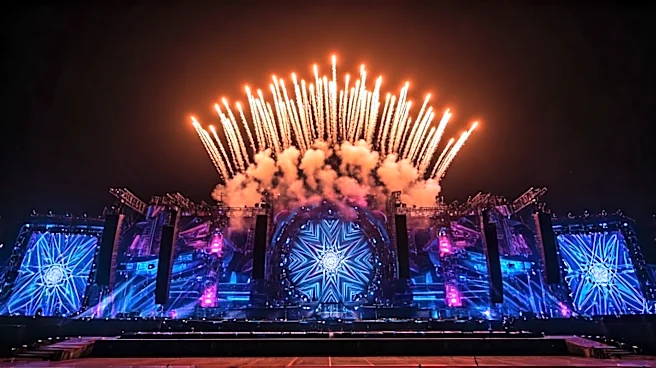
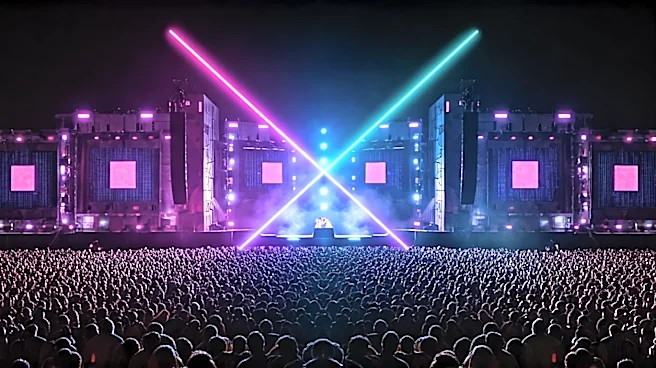
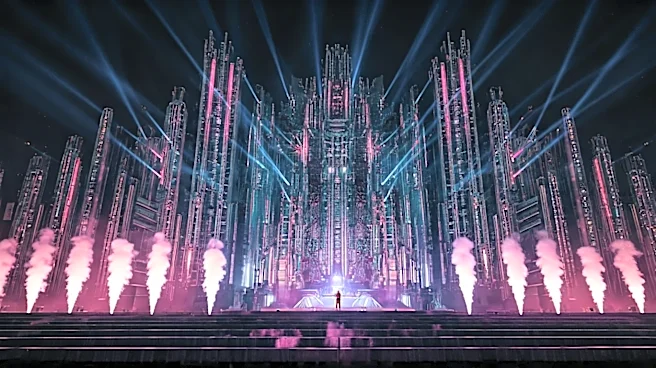
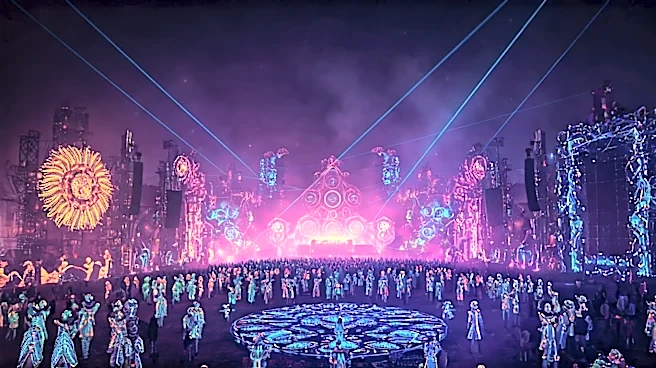
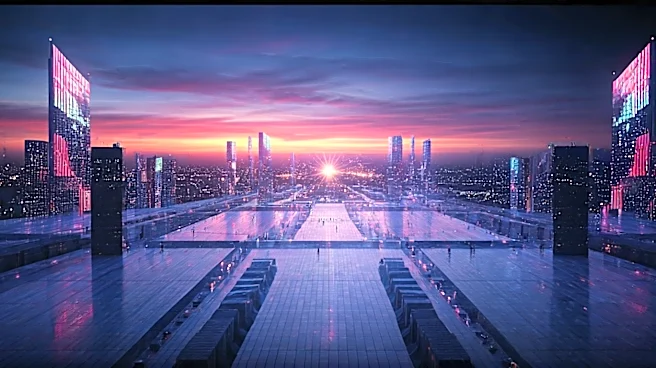
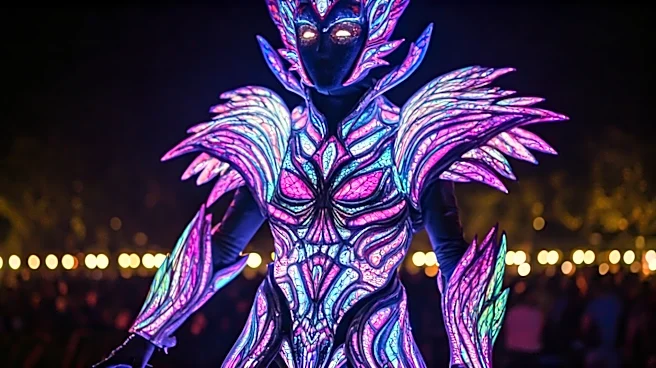
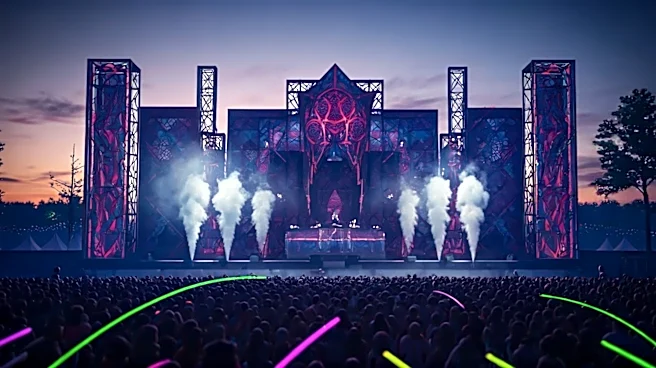
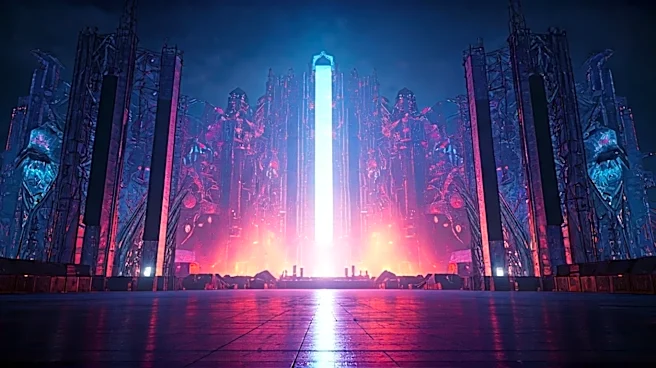
EDC is famous for its 'nine stages, 200-plus artists, and half a million attendees' scale. But the spectacle isn’t just about size; it’s about how that size is experienced. At night, the Las Vegas Motor Speedway ceases to be a racetrack and becomes a self-contained universe of light. Towering art installations, pyrotechnics, and the iconic, glowing daisies are designed to be seen in the dark. The entire environment is engineered for nocturnal awe. A fireworks display over a daytime crowd is impressive; at EDC, the entire festival *is* the fireworks display, burning brightly for eight straight hours. This constant visual stimulation, combined with the distorted sense of time and the communal energy, elevates the event from a simple series of concerts into a singular, immersive art form where the environment is as crucial as the music.