


The Festival Bubble
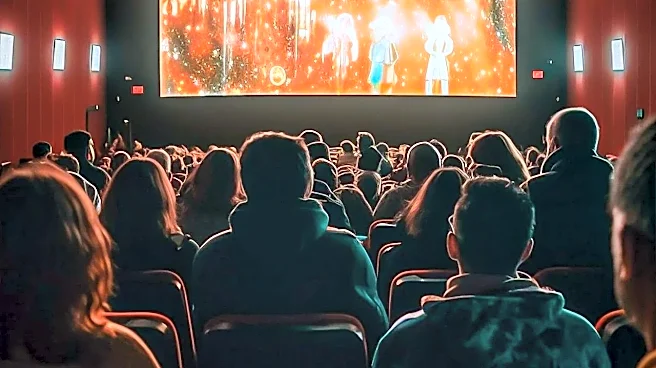
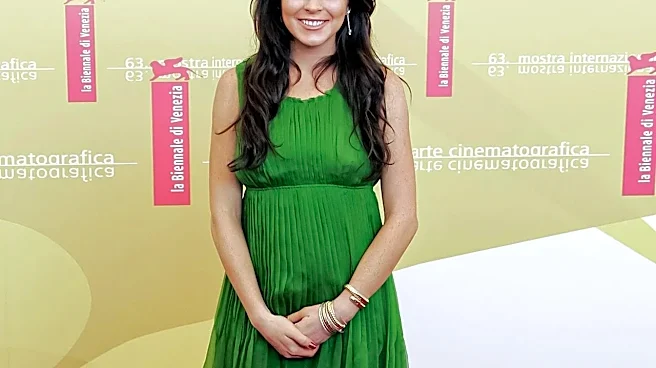
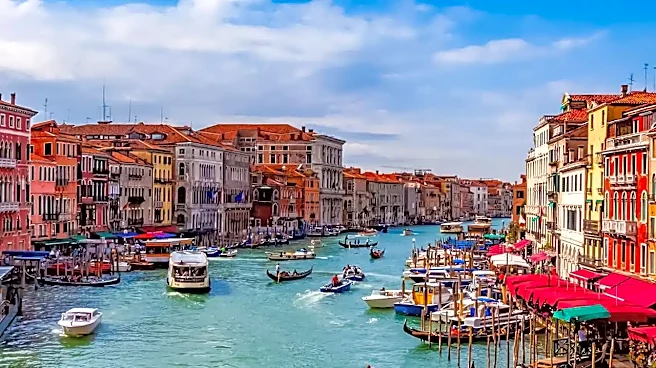
Imagine the most exclusive, high-pressure movie screening of your life. That’s a premiere at the Venice Film Festival. The audience isn’t made up of casual moviegoers; it’s a concentrated mix of elite critics, industry buyers, and fellow filmmakers, all
watching in a historic cinema on the Lido. In this environment, a film’s reception is immediate and intense. The now-famous standing ovation is a key part of this ritual. While it can be a genuine expression of emotion, it’s also partly a show of respect for the cast and crew who are present in the room. Critics have pointed out that the applause often continues as cameras pan to each star and the director, making the length less a pure measure of quality and more a piece of televised theater. This initial reaction creates a powerful, but delicate, narrative. A film is instantly labeled a “triumph” or a “disappointment,” generating headlines that will follow it for months.
The Hype and The Hiatus
After the festival wraps in early September, most of these acclaimed films go quiet. Their U.S. releases are often strategically scheduled for later in the fall or during the winter holiday season to maximize awards consideration. This waiting period is critical. For a studio, the goal is to keep the positive buzz simmering without letting it boil over or go cold. The filmmaker might use this time to fine-tune the movie based on festival feedback, sometimes making significant changes to the final cut. For example, a director might realize a certain voiceover isn't working or that a scene needs trimming after seeing it with a live audience for the first time. Meanwhile, the word of mouth begins its slow transformation from an insular critical opinion to a broader public perception, often fueled by social media strategy and carefully leaked details. This is when the first seeds of doubt or confirmation are sown among the wider film-loving public.
The Marketing Machine Takes Over
As the U.S. release date approaches, the studio’s marketing department takes control of the narrative. The glowing reviews from Venice are plastered across posters and trailers. Phrases like “the film of the year” are pulled from a single enthusiastic critic. The marketing team’s job is to translate the sometimes-esoteric language of festival acclaim into a simple, compelling message for a broad American audience. This can lead to a disconnect. A complex, meditative drama that wowed critics in Italy might be sold as a straightforward thriller to audiences in Ohio. Trailers will emphasize the most commercial elements, sometimes misrepresenting the film’s actual tone or pace. The studio is no longer trying to impress a few hundred critics; it's trying to convince millions of people to spend their money on a Friday night.
The Audience Has the Final Say
Finally, the film opens in the United States. This is where the curated festival narrative collides with public reality. The first wave of domestic critics, who are often more in sync with mainstream tastes, can either reinforce or contradict the Venice hype. But the most powerful force is the audience itself. Word of mouth on platforms like X (formerly Twitter) and Letterboxd can make or break a film in its opening weekend. That ten-minute standing ovation in Venice means very little if the first paying customers walk out confused or bored. History is filled with festival darlings that failed to connect with the public and, conversely, panned films that became surprise commercial hits. The initial festival buzz provides a launchpad, but it doesn’t guarantee a smooth flight. It’s a powerful first chapter, but the audience always writes the ending.