







1. Make Texture Your Secret Weapon
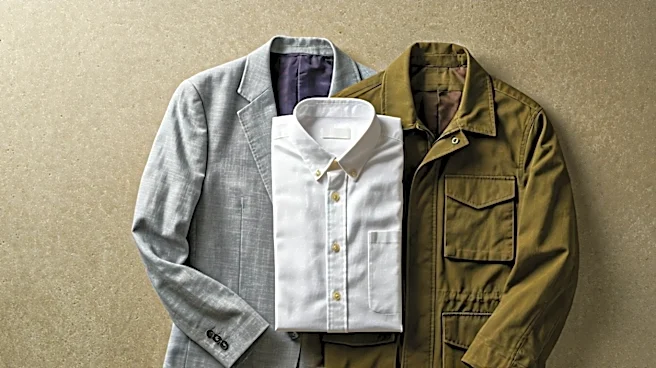
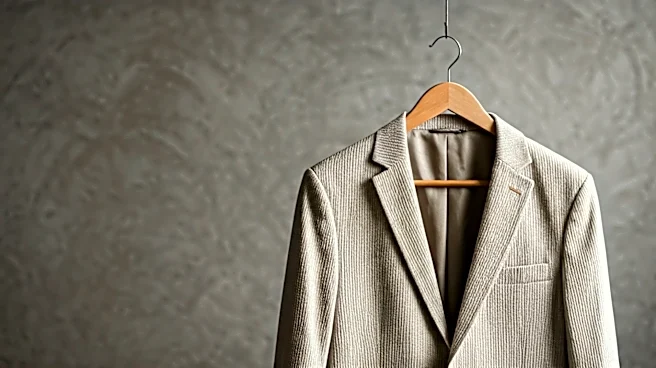
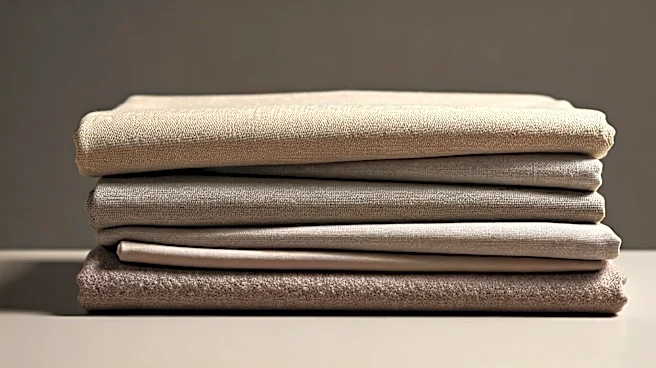
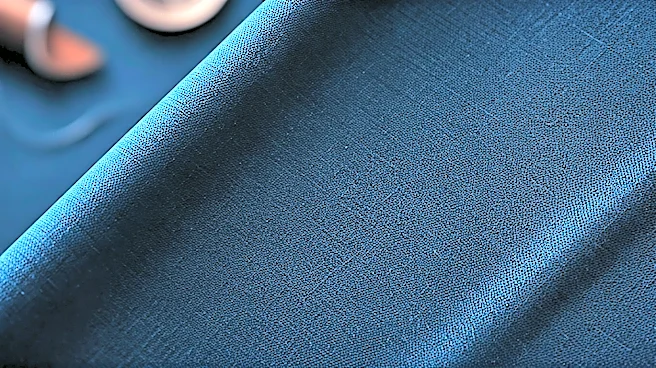
This is the cardinal rule for avoiding a flat tonal look. When you’re working within a single color family, texture becomes your new pattern. Think about combining materials with different surfaces and feels. A chunky wool sweater over smooth cotton twill
trousers, a silk shirt under a rugged denim jacket, or a corduroy blazer paired with fine-gauge knitwear—all in shades of, say, olive green. Each fabric catches the light differently, creating shadows and highlights that give the outfit depth and dimension. This interplay of textures is what separates an intentional, high-fashion look from one that feels accidental or uninspired.
2. Play with a Spectrum of Shades
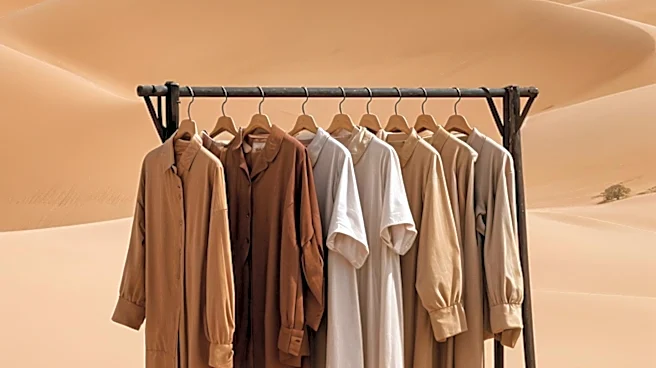
Tonal dressing doesn’t mean wearing the exact same Pantone swatch from head to toe. In fact, it’s more interesting when you don’t. The most successful runway looks layer multiple shades and tints from the same color family. Imagine building an outfit around brown: you could have a dark chocolate brown trouser, a mid-tone caramel knit, and a light tan overcoat. Each piece is distinct, yet they all harmonize beautifully. This creates a gradient effect that is visually rich and far more flattering. Start by picking a base color you love and finding pieces that are a few shades lighter or darker to build around it.
3. Focus on a Strong Silhouette
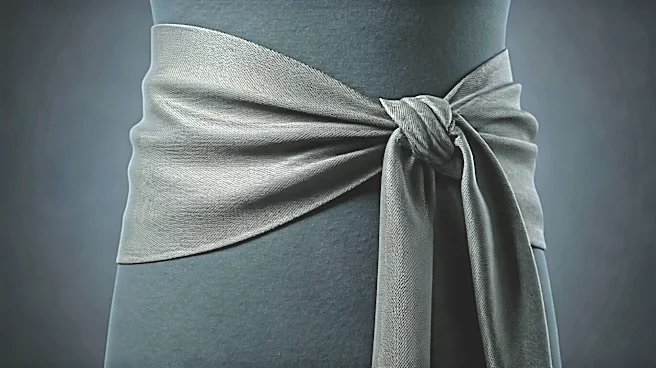
When color isn't creating contrast, the shape of your clothes has to do the heavy lifting. A monochromatic outfit can easily look like a formless uniform if the silhouette isn't considered. Use shape to create visual interest. Pair something voluminous with something fitted. For example, wide-leg trousers look fantastic with a slim, tucked-in t-shirt or knit polo. A structured, oversized blazer can be balanced by a pair of straight-leg jeans. Paying attention to the overall shape ensures your body doesn't get lost in the color. It’s about creating deliberate lines and proportions that guide the eye.
4. Use One “Off” Accessory
Sometimes, the best way to highlight a tonal look is with a single, strategic point of contrast. This doesn’t mean you have to abandon the theme, but a carefully chosen accessory can anchor the entire outfit. A crisp white sneaker breaking up an all-gray ensemble, a black leather belt cinching a navy blue outfit, or a silver watch against a sea of beige can act as a sophisticated focal point. It’s a small detail that shows intentionality. This one “off” piece keeps the look from feeling too perfect or costume-like, grounding it in reality while adding a final, polished touch.
5. Let Outerwear Do the Work
If you're new to tonal dressing, an overcoat or jacket is the easiest entry point. It’s a large, impactful piece that can define the color story of your outfit. Find a great coat in a versatile neutral like camel, navy, or charcoal. Then, build your outfit underneath using varying shades of that same color. The coat acts as a unifying frame for the whole look. When you’re indoors and take the coat off, you’re still left with a cohesive, multi-toned outfit underneath. It’s a low-risk, high-reward strategy for mastering the trend.