





The Agonizing Four-Year Cycle
In most American sports, the refrain is familiar: "There's always next year." A heartbreaking loss in the playoffs stings, but the calendar offers swift redemption. The World Cup offers no such comfort. Its quadrennial cycle transforms it from a sporting
event into a generational marker. A player in their prime at 26 will be 30 by the next tournament—a world of difference in a sport where physical peak is fleeting. Some of the greatest players in history get only two, maybe three, legitimate shots at glory. This scarcity elevates the stakes to an almost unbearable level. Every match carries the weight of four years of waiting, planning, and dreaming. There is no "next season"; there is only the distant hope of another chance four years down the line, an eternity in an athlete's career.
Club Trophies Are a Career, This Is Legacy
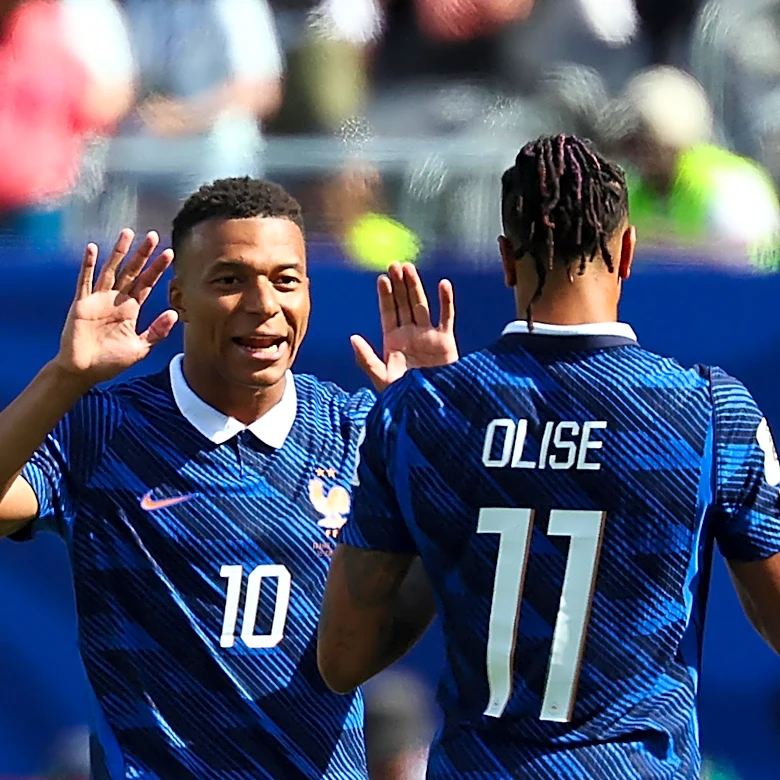
Modern soccer is dominated by powerhouse clubs—Real Madrid, Manchester City, Bayern Munich—that collect the world’s best talent and compete annually for prestigious trophies like the UEFA Champions League. Winning those is the mark of a great professional career. But the World Cup is different. It’s about legacy. For one month, allegiances to billionaire-owned clubs are set aside. Players who are teammates and friends become rivals, draped in the flags of their homelands. The pressure shifts from earning a paycheck to fulfilling a national destiny. For years, Lionel Messi’s staggering club success was always discussed with a caveat: he hadn't won the big one for Argentina. His emotional triumph in 2022 wasn't just another trophy; it was the capstone on his argument as the greatest of all time, a final validation that club money can't buy.
The Unforgiving Gauntlet of the Knockout Stage
The World Cup's format is designed for maximum drama and heartbreak. After a brief group stage, the tournament becomes a single-elimination gauntlet. Unlike the NBA or MLB playoffs, there is no seven-game series to smooth out a single bad performance or an unlucky bounce. One off-day, one defensive lapse, one controversial refereeing decision, and a nation's dream is extinguished. The game can go to extra time and then to the chilling lottery of a penalty shootout, where months of preparation are reduced to a series of 12-yard duels between a player and a goalkeeper. This brutal, unforgiving structure means there is no room for error. The team that wins the World Cup must navigate seven games over one month, surviving and advancing under the most intense pressure imaginable. They don’t have to be the best team in the world for four years, but they do have to be unbeatable for seven straight matches.
The Crushing Weight of a Flag
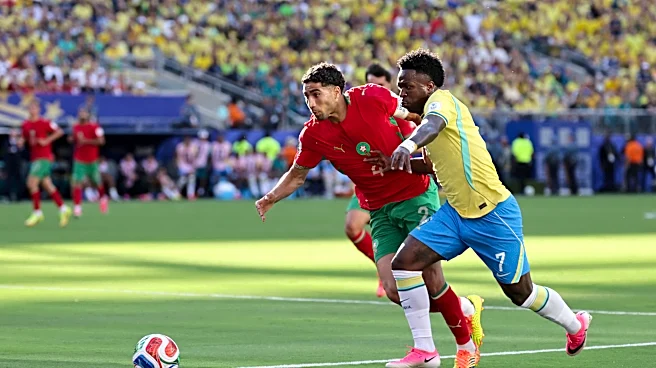
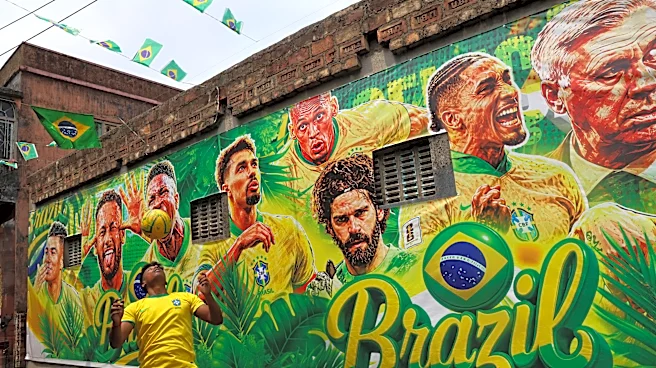
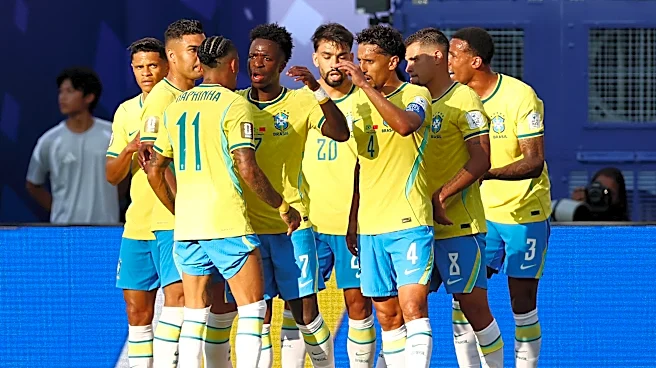
A player for the Dallas Cowboys or New York Yankees represents a city and a brand. A player in the World Cup carries the collective hopes, history, and identity of an entire nation. The pressure is psychological and cultural, not just athletic. When Brazil plays, it's not just a team; it's a hundred million Brazilians living and dying with every touch of the ball. When an underdog nation like Morocco makes a deep run, it galvanizes an entire region and diaspora. This nationalistic fervor is a double-edged sword. It fuels players with incredible passion, but it also creates a level of scrutiny that is unimaginable in club sports. A missed penalty isn't just a sporting failure; it can become a national tragedy, an event that will be replayed and debated for decades. This is the ultimate "prove-it" environment, where players must prove they can handle not just the opponent in front of them, but the weight of the world on their shoulders.