







The Uniform of Duty
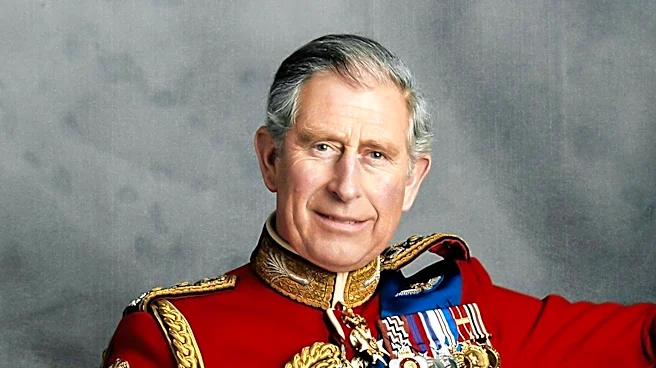
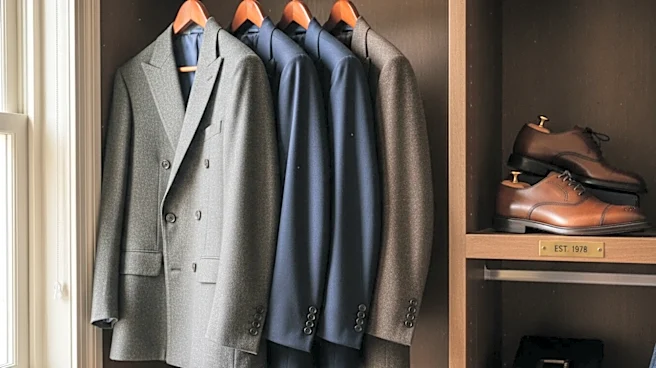
King Charles has long been synonymous with the double-breasted suit, a style he championed even when it was deeply unfashionable. This isn't a mere quirk of taste; it's a statement. The double-breasted suit is structured, formal, and creates a kind of sartorial
armor. Unlike its more relaxed single-breasted cousin, its lines are rigid, demanding a certain posture. This choice projects an image of unwavering formality and seriousness. It’s the uniform of a man perpetually on duty, whose role requires him to be contained and disciplined. The tailoring, often from traditional Savile Row houses like Anderson & Sheppard, is soft but proper, designed to be worn with ease by a man who has never known a different life, making the formal attire look like a second skin. This sartorial signature speaks to a personality that prioritizes consistency and control over fleeting trends, reflecting a life lived within strict, well-defined parameters.
A Story in Stitches
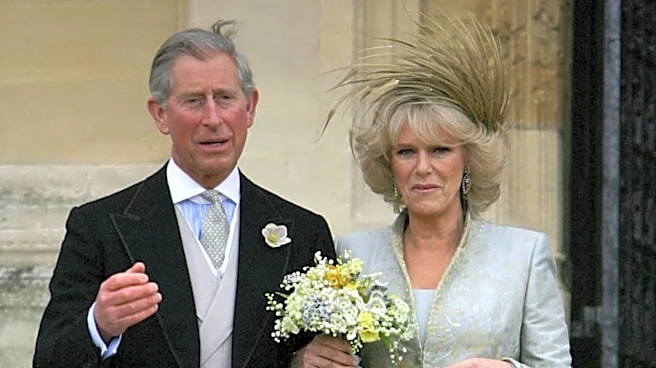
Perhaps nothing speaks more volumes than the King's well-documented habit of mending his clothes. Dubbed the “patch-up prince,” he has been photographed for decades in jackets with visible patches and shoes that have been resoled multiple times. While often framed through the modern lens of sustainability—a cause he has championed for over 50 years—there is a deeper psychological reading. His motto, “buy once, buy well,” and his hatred of throwing anything away suggests a deep attachment to the familiar. He wore a morning suit to Prince Harry's wedding that he first bought in 1984. This is not just thrift; it's a preference for the enduring over the new. In a world of constant change, his clothes represent a fixed point. This can be interpreted as a form of emotional stasis, a man who finds comfort in patching up the old rather than embracing the shock of the new. The very fabric of his life is repaired and maintained, not replaced.
The Armor of Accessories
The few pieces of jewelry King Charles wears are not for flamboyance but for fortification. For over five decades, he has rarely been seen without his gold signet ring on his left pinky. This isn't just an accessory; it is a symbol of office and lineage, engraved with the crest of the Prince of Wales. Historically, these rings were tools of power, used to press into wax to seal official documents. For Charles, wearing it continuously, even tucking his wedding band behind it, grounds him in his role and heritage. It’s a constant, physical reminder of his duty—the motto 'Ich Dien' even means 'I Serve'. This, combined with his precisely knotted ties and perfectly coordinated (but never matching) pocket squares, completes a picture of meticulous control. These are not items of self-expression but symbols of a role, reinforcing the institution rather than revealing the man.
When Formality Is the Point
Even in less formal settings, the King’s attire adheres to a strict code. His tweed jackets and country wear, though more casual, are still deeply traditional and rooted in the British upper class. The message is one of consistency across all environments; there is a proper uniform for every occasion, from a state dinner to a walk at Balmoral. Critics have sometimes called his look stuffy or awkward, but they may be missing the point. The purpose isn't to be a fashion icon in the modern sense but to embody continuity and tradition. His clothes are a direct reflection of his belief in preserving heritage, whether it's British textile manufacturing or the monarchy itself. This unwavering commitment to form can be read as a personality that finds safety and purpose in structure, leaving little room for spontaneous, emotional expression. The clothes don't just fit the man; they define the boundaries of his public self.