

The 1970s: Polyester Dreams and Escapism
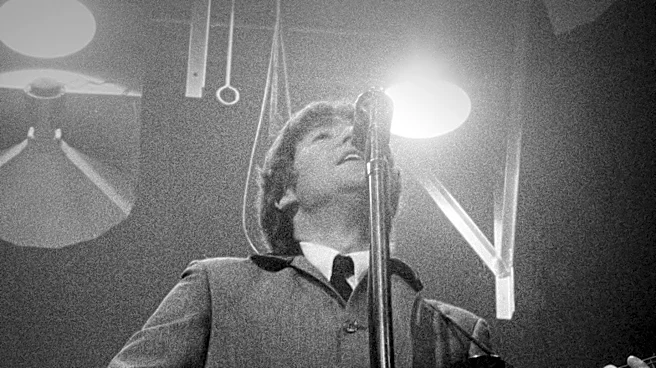
The late 1970s were dominated by the slick, manufactured sheen of disco. Fashion was a form of fantasy, characterized by wide-lapeled suits, shimmering satin shirts, and bell-bottoms that swished across flashing dance floors. It was a theatrical look,
often made from synthetic fabrics like polyester, designed for escapism and polish. For many, especially in the marginalized communities of New York City where hip-hop was brewing, this aesthetic felt increasingly disconnected from their reality. The party vibe of disco and funk was aspirational, but it was also a costume. As the decade waned, a new generation was looking for a style that felt less like an escape and more like a statement of who they were.
The Reaction: Authenticity Over Artifice
Emerging from the socio-economic turmoil of the Bronx in the late '70s and early '80s, hip-hop culture was built on reality. Its fashion became a direct contradiction to the slickness of disco. Instead of polyester fantasy, early hip-hop style championed a form of aspirational realism. It took everyday items—sportswear, workwear, and casual accessories—and elevated them into a uniform of pride and identity. This wasn't about pretending to be somewhere else; it was about representing your block, your crew, and your ambition, right where you stood. The new look was tough, grounded, and unapologetically urban. It rejected the polished perfection of the previous era for something more immediate and authentic.
The New Uniform: Tracksuits and Sneakers
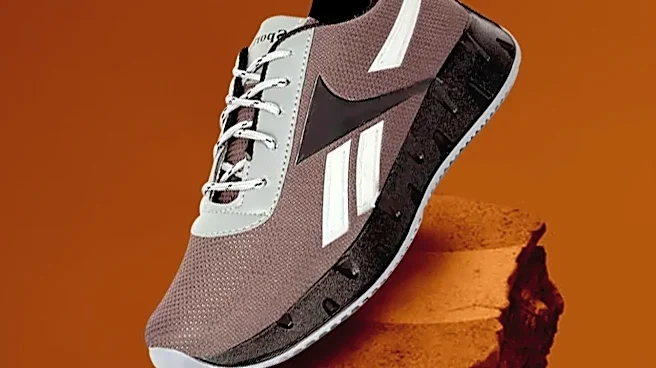
Perhaps no item defines 80s hip-hop fashion more than the tracksuit. Brands like Adidas, Puma, and Le Coq Sportif went from being purely athletic apparel to the height of street fashion. Groups like Run-DMC turned the full Adidas tracksuit into a cultural symbol. In their 1986 hit “My Adidas,” the group immortalized their shell-toe sneakers, famously worn without laces. This wasn't just a style choice; it was a declaration. The song led to an unprecedented $1.6 million endorsement deal, the first of its kind between a music group and a major sportswear brand, cementing the bond between hip-hop and streetwear. The look was comfortable, functional for breakdancing, and visually clean, a stark contrast to the restrictive, flamboyant clothing of the 70s.
A Different Kind of Flash: Gold Chains and Logos
While 80s hip-hop rejected disco's glitter, it didn't shy away from flash; it just redefined it. Heavy gold jewelry, like thick rope chains known as "dookie chains" and large nameplate necklaces, became a primary status symbol. This wasn't just decoration; it was a way to display success and prosperity, a tangible sign that you were making it against the odds. This desire for visible status also fueled the rise of logomania. The most influential figure in this space was Dapper Dan, a Harlem-based designer who began creating custom pieces in 1982 using bootlegged logo fabric from luxury brands like Gucci and Fendi. He remixed high fashion for the streets, creating a unique, aspirational aesthetic for stars like LL Cool J, Salt-N-Pepa, and Eric B. & Rakim. His work turned logos into a language of power and identity.
From the Bronx to the World
The artists were the movement's most powerful ambassadors. Run-DMC's street uniform of black fedoras, leather jackets, and laceless Adidas made them globally recognizable. LL Cool J popularized the Kangol bucket hat. Big Daddy Kane brought a smooth, player-like sophistication with his high-top fades and gold jewelry. On the West Coast, groups like N.W.A. championed a grittier look with Dickies, Locs sunglasses, and Raiders snapbacks, reflecting their environment. Each artist and region added to the visual language, but the core principle remained the same: style as a direct expression of identity, born from the streets and built in opposition to the polished fantasies of the past.