




The Allure of the Mega-Camp
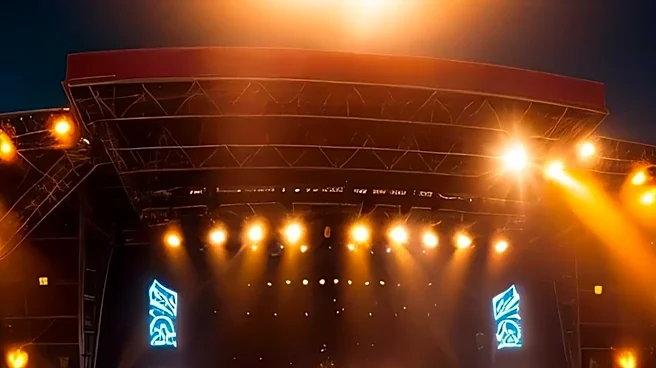
Let’s be honest: the big sound camps are an incredible spectacle. Names like Camp Questionmark and Opulent Temple have become institutions, known for bringing world-class DJs and unbelievable production value to the middle of the Nevada desert. They are massive,
multi-sensory art pieces in themselves, requiring huge teams and budgets to create. For many, these camps are the nightly destination, the thumping heart of Black Rock City’s nightlife. They are the landmarks you navigate by, epicenters of energy that draw people in like moths to a flame. The appeal is obvious—it’s a guaranteed party, a known quantity in a landscape of beautiful chaos, and a chance to see a famous artist in one of the world's most unique environments.
The Tyranny of the Lineup
But that guarantee comes with a hidden cost: FOMO, the fear of missing out. When you anchor your night to a DJ's set time, your experience becomes a schedule to keep. Suddenly, your Burn is less about radical self-expression and more about a logistical race across the playa. It can feel more like a conventional music festival, where the main event is spectating, not participating. The core ethos of Burning Man is built on principles like participation, immediacy, and radical self-reliance. Chasing a specific lineup can sometimes work against this, pulling you out of a spontaneous, magical moment because you have to be somewhere else. You risk trading a unique, personal discovery for a shared, predictable experience.
Discovering the Magic of 'Mid-Playa'
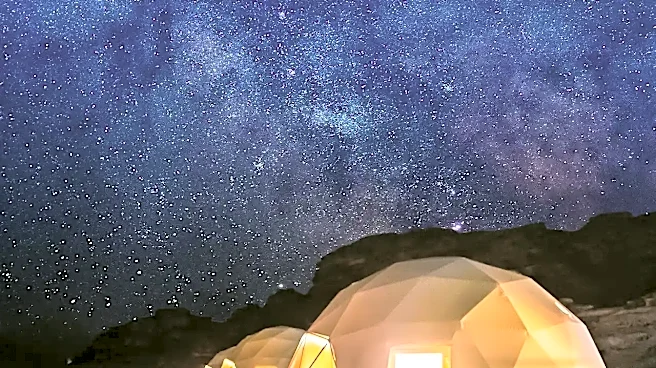
The alternative isn’t silence; it’s a different kind of sound. It's the sound of a lone musician playing to a dozen people in deep playa, the laughter from a camp offering grilled cheese at 3 AM, or the surprisingly profound conversation you have with a stranger while waiting for a pop-up tea ceremony. These are the moments that can't be scheduled. They happen when you pedal your bike with no destination, following a curious trail of lights or an interesting sound you've never heard before. Maybe you’ll stumble upon Après Ski, a camp with a literal ski jump in the desert, or find yourself in a dome tuned to a healing frequency. These smaller, often bizarrely specific camps are the soul of the city, offering connection and surprise.
How to Find the Small Wonders
So how do you find these moments? First, let go of the plan. Treat the big sound camps not as a destination, but as a landmark you might pass on your way to something else. The best advice veteran Burners often give is to simply go exploring. Ride in a direction you haven't been. Stop at the camp that makes you laugh or seems strange. Say "yes" to an invitation. Engage with the art. Talk to the person next to you. The community is built on these small interactions. Instead of looking for the massive art cars with booming systems, follow the little glowing art projects. The most memorable experiences often come not from finding what you were looking for, but from finding what you didn't even know existed.
Redefining Your Perfect Burn
Skipping the headliners isn't about being contrarian; it's about curating an experience that is deeply, uniquely yours. The spectacle of a 100,000-watt sound system is a valid and powerful part of Burning Man. But it is only one part. The event is designed to be a city built by its citizens, a place where participation is the main attraction. By focusing on the smaller, more interactive camps, you shift from being an audience member to being a co-creator of the experience. It's the difference between watching a movie and being in the play. Your perfect Burn might not involve a single famous DJ, but it could be filled with connections and moments of pure, unplanned joy that will stay with you long after the dust has settled.