




An Anniversary with Two Guest Lists
Every big party has a planner, but America’s 250th birthday, or Semiquincentennial, has two—and they aren't on speaking terms. First, there’s America250, a bipartisan commission created by Congress back in 2016 to plan a nationwide, inclusive celebration.
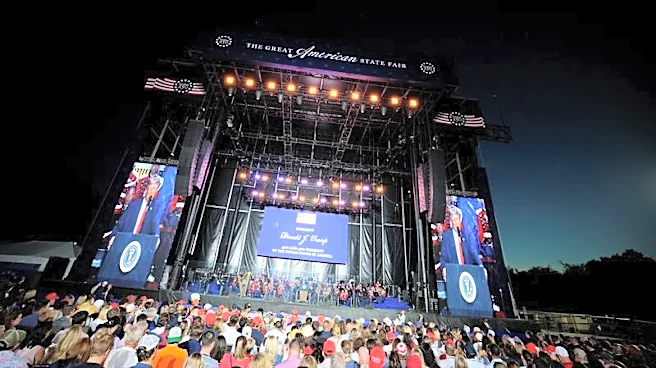
Their goal was to bring all 350 million Americans together through educational programs, field trips, and community volunteerism. But then came Freedom 250, a rival entity established by President Trump. This second group has focused on what critics call “splashy events,” like a UFC fight on the White House lawn, a massive state fair on the National Mall, and a proposed IndyCar race in D.C. The result is widespread confusion. Musicians have backed out of events, claiming they were misled about the partisan nature of the festivities. This public feud over who gets to throw the nation's party has created a messy, two-front celebration, setting the stage for an awkward and endlessly mockable affair.
A Battle of the Brands
Nothing says “21st-century cultural event” like a branding war. On one side, you have the official America250 logo, a tasteful, flowing ribbon of red, white, and blue designed by the same firm that created the iconic 1976 Bicentennial logo. It’s meant to evoke unity and cooperation. On the other side is the Freedom 250 logo, a circle of 13 stars around serif text, which has become the de facto brand for the White House’s events. Federal agencies have even been instructed to make Freedom 250 the “primary branding,” leading to accusations that the Trump-aligned group is siphoning taxpayer funds and public attention from the original bipartisan commission. This visual tug-of-war isn't just inside baseball; it's a perfect storm for online satire. When official efforts look this disorganized and competitive, the internet rarely resists the urge to pick a side, or more likely, make fun of both.
The Whitewashed History Problem
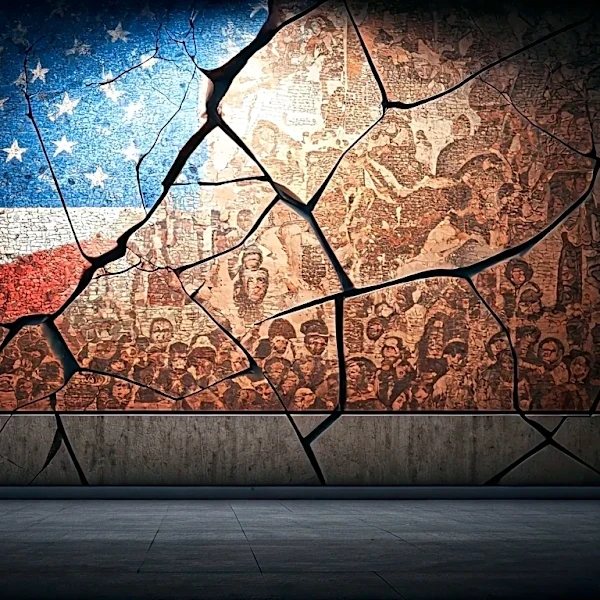
A central tension of America 250 is the debate over which version of American history to celebrate. Critics argue that the Trump-led Freedom 250 initiatives intentionally downplay or ignore the nation's complex and often painful history, particularly regarding slavery and the treatment of Native Americans. Projects like traveling “Freedom Trucks” and a proposed “National Garden of American Heroes” have been accused of presenting a sanitized, mythologized version of the past. This approach, which one author called “toxic myth-making,” creates a stark contrast with the more inclusive vision initially put forth by the America250 commission, which sought to explore the “unfinished revolutions” of the nation. In an era of intense cultural debate over historical narratives, any attempt to present a single, rosy version of the past is ripe for criticism, parody, and, of course, memes.
Enter the Memecoin
The ultimate sign that a cultural moment has become truly absurd is when it gets its own cryptocurrency. The America 250 narrative has already been co-opted by the world of highly speculative “memecoins.” Multiple unofficial “$America250” tokens have been launched on platforms like Solana, leveraging patriotic hype to attract traders. These tokens have no official connection to any government celebration but capitalize on the buzz, promising a financial ride tied to a specific date: July 4, 2026. The existence of these coins perfectly illustrates the event's potential for memeability. It shows how a concept intended for solemn national reflection can be instantly stripped down, commodified, and turned into a speculative joke online, completely detached from its original purpose.