






First, Define “Tony Awards Polish”
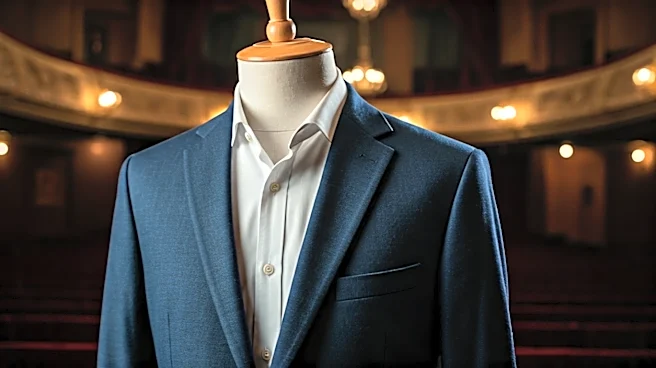
Before you can borrow it, you have to understand what it is. Unlike the Oscars’ fairytale glamour or the Met Gala’s high-concept chaos, the polish of the Tony Awards is grounded in precision and personality. It’s the sharp shoulder of a tuxedo jacket
on a Best Actor nominee, the confident line of a tailored suit on a celebrated director. It’s less about ephemeral trends and more about enduring structure. This aesthetic is rooted in the theater itself—a world where posture, silhouette, and a commanding presence communicate everything. Stars like Daniel Radcliffe, Jessica Chastain, and Audra McDonald consistently demonstrate this power, using tailoring not just to look good, but to project an air of quiet authority and readiness for the spotlight.
The Blazer as Wardrobe Architecture
So, how do you get that look without a team of stylists? The answer is a single, transformative garment: a great blazer. Think of it as portable architecture for your body. A well-constructed blazer instantly adds structure where there is none. It squares your shoulders, creates a defined waist, and elongates your torso. It’s a shortcut to looking put-together because it does the heavy lifting for you, imposing a clean, intentional line over whatever you’re wearing underneath, whether it’s a simple t-shirt or a silk camisole. This is why it’s the ultimate tool for achieving that “polished” feeling—it physically structures your appearance, which in turn boosts your confidence.
The Non-Negotiable: A Perfect Fit
Here is the cardinal rule: an inexpensive blazer that is tailored to you will always look more luxurious than a designer piece that fits poorly. The “Tony Awards” effect hinges on precision. When shopping for a blazer, focus on the fit across the shoulders first. The shoulder seam should end exactly where your natural shoulder does. If it’s too tight, you’ll get pulling; too wide, and it will slump. Everything else—sleeve length, waist suppression, button placement—can and should be adjusted by a tailor. Budget an extra $30 to $50 for tailoring when you buy a new blazer. This small investment is what transforms a simple jacket into a piece that looks custom-made and effortlessly sharp.
Choose Fabrics with Main-Character Energy
This is where you can inject the drama and personality of Broadway. Move beyond the standard black or navy wool of corporate life. To channel red-carpet energy, consider materials with depth and texture. Velvet is a perennial favorite for a reason; it absorbs and reflects light, creating a sense of richness and occasion. Look at photos of Eddie Redmayne, a master of the velvet blazer. Likewise, jewel tones—emerald, sapphire, ruby—in fabrics like satin or silk brocade provide an immediate hit of drama. Even a simple change, like choosing a blazer with a subtle pattern like a glen plaid or a pinstripe, adds a layer of visual interest that feels intentional and styled.
How to Style It for Everyday Drama
You don’t need a black-tie gala to wear your blazer. The modern way to wear it is by creating a high-low balance. For an evening out, throw a velvet or satin blazer over a simple white t-shirt and a pair of dark, perfectly fitted jeans. The juxtaposition of the luxurious jacket with the casual basics is what creates the cool, confident vibe. For a more feminine take, a blazer belted over a simple slip dress provides both structure and fluidity. The key is to let the blazer be the hero. Keep the other elements of your outfit simple and classic, allowing the sharp tailoring and rich fabric of the jacket to take center stage.