






It’s Fuel, Not a Feast
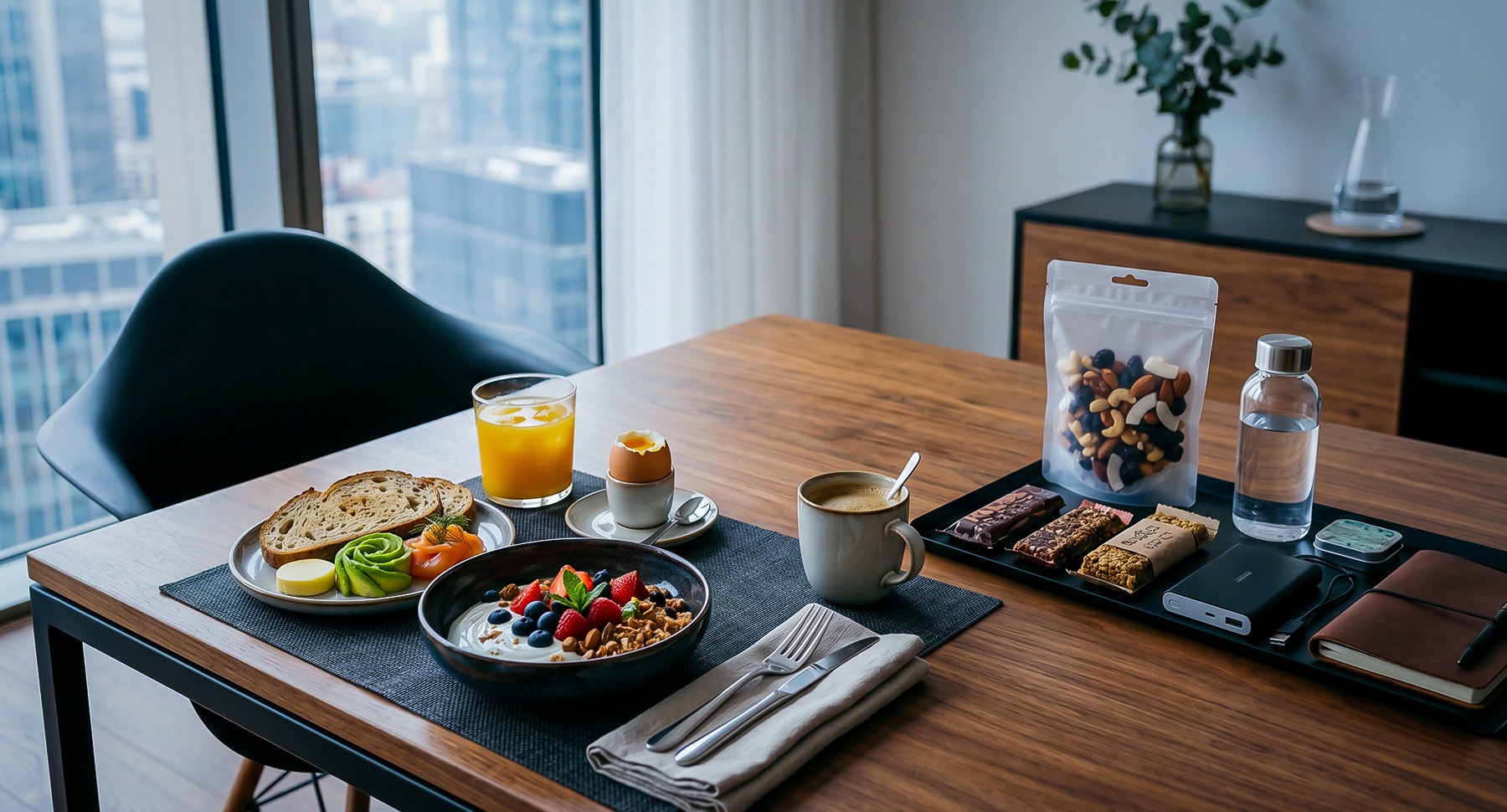
The single biggest misconception about A-list catering at Cannes is that it’s an endless parade of Michelin-starred indulgence. While the official dinners hosted by festival partners like Chopard are certainly lavish, the day-to-day sustenance for stars hopping between photo calls, interviews, and screenings is far more functional. Think of it less as a banquet and more as a high-end Formula 1 pit stop. The primary goal isn’t to dazzle the palate; it’s to provide a quick hit of energy without causing a wardrobe or makeup disaster. Actors are running on adrenaline and tight schedules, often with only a few minutes to spare. The green room, or the more common sponsored VIP lounges scattered along the Croisette, are oases of calm designed for a quick recharge,
not a leisurely meal.
The Menu Is All About Practicality
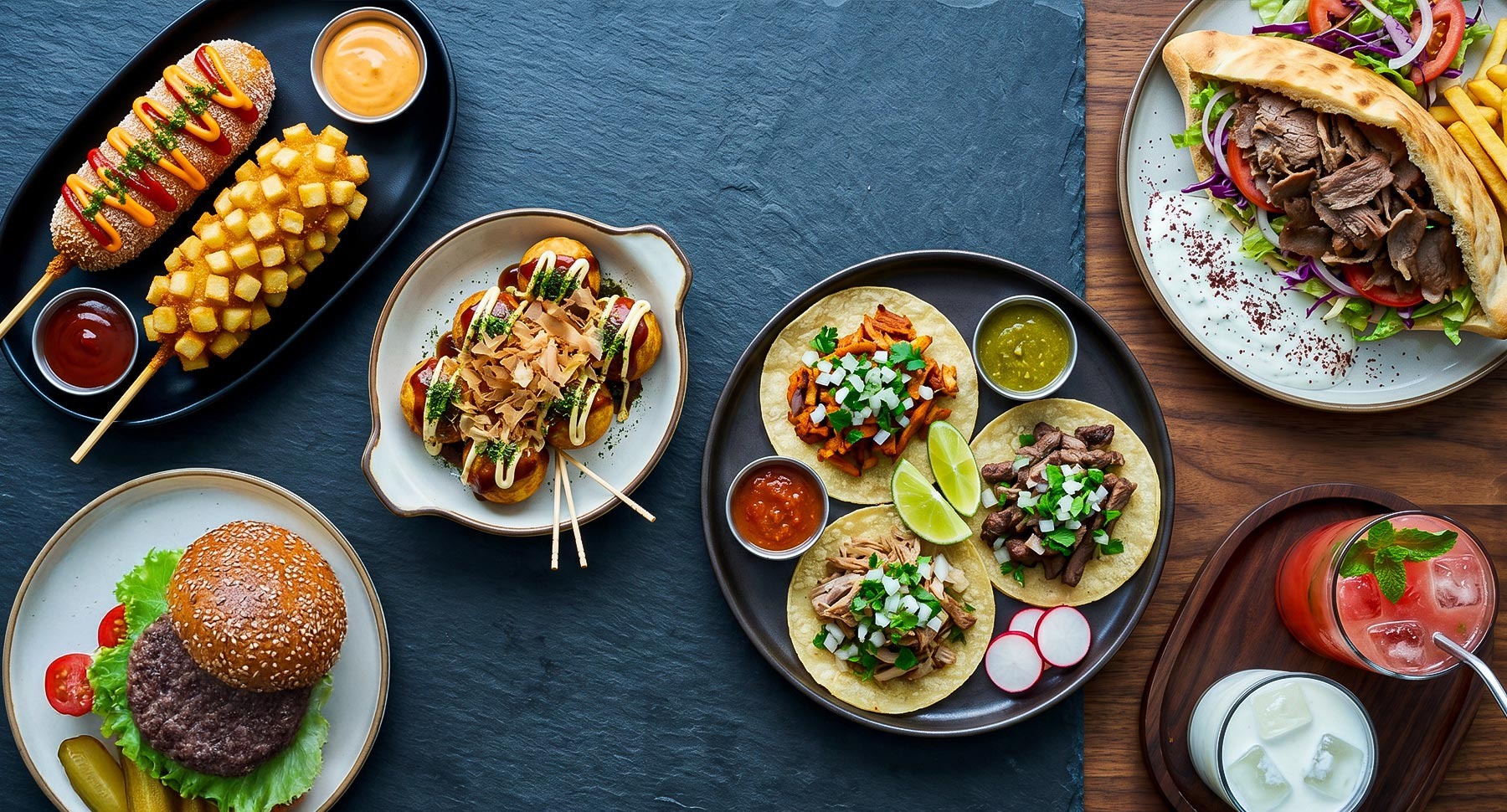
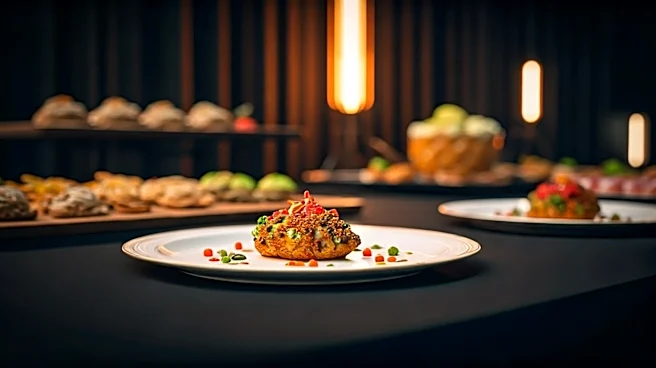
Catering for the world’s most photographed people comes with a unique set of rules. The unofficial guiding principle is: 'Can this be eaten in one bite, standing up, without dripping on a million-dollar dress?' This is why you see an abundance of meticulously crafted canapés, miniature sandwiches, and skewered items. Anything that requires a knife and fork is generally out. Sauces are minimal and light-colored. Foods notorious for getting stuck in teeth—like spinach or seeds—are avoided. Even the drinks are strategic. While champagne is ever-present for photo ops, backstage you’re more likely to see stars reaching for water, espresso, or a fresh-pressed juice. It’s about hydration and caffeine, the two real currencies of the festival circuit. The food is elegant, yes, but its elegance lies in its efficiency and safety.
The Logistics Are a Military Operation
Feeding the elite of the film world is a logistical nightmare handled with military precision. The legendary French caterer Potel & Chabot, a frequent partner for the festival’s official events, might serve tens of thousands of meals over the 12-day period. The pressure is immense. Ingredients must be of the highest quality, execution must be flawless, and timing must be perfect. Staff are rigorously trained in the art of discretion; they are expected to be invisible, anticipating needs without being asked and never, ever staring or asking for a selfie. In the cramped, temporary kitchens set up in the Palais des Festivals or in beachside pavilions, chefs work around the clock. They face the challenge of maintaining supreme quality while serving hundreds of VIPs simultaneously, all of whom expect perfection.
It’s a patchwork of sponsored oases
There isn't one single 'green room' at Cannes. Instead, the ecosystem is a collection of exclusive, brand-sponsored spaces. The Nespresso Beach, the L'Oréal Paris suite, the Campari Lounge—each offers a slightly different vibe and menu. These brands aren't just serving food; they're curating an experience. A coffee brand will have world-class baristas pulling perfect espressos, while a luxury jeweler’s space might offer delicate pastries that mirror the elegance of their products. This is where you see the intersection of hospitality and marketing. The food and drink are part of the brand’s identity, designed to create a positive, luxurious association in the minds of the industry’s most influential people. So, what a star eats often depends on which brand’s sanctuary they’ve ducked into for a moment of peace.