

The Director as Headliner
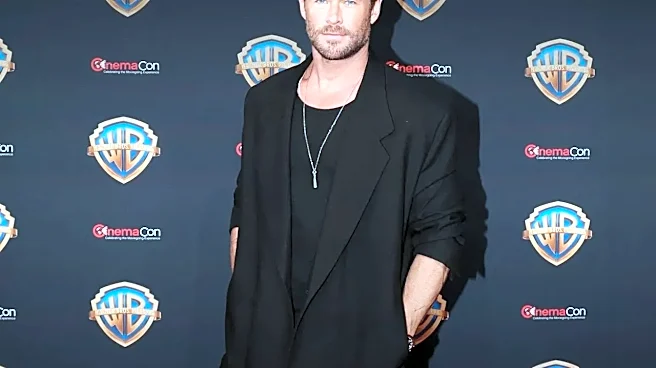
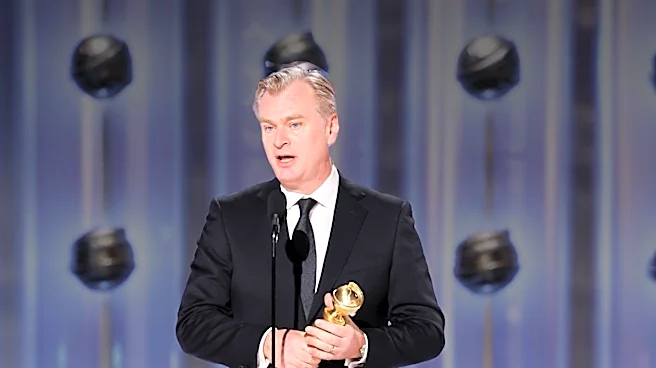
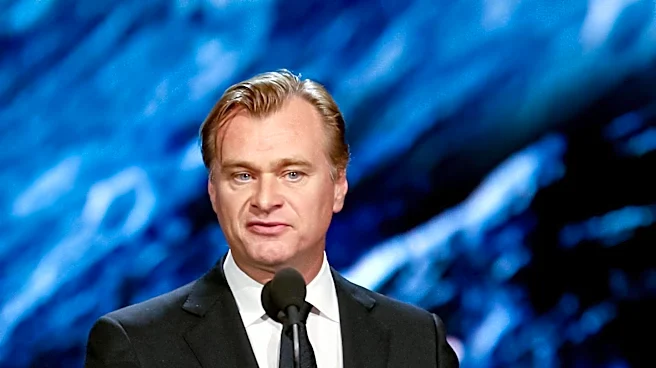
In the world of Hollywood, directors are creators, not typically celebrities in the way actors are. Yet, when Christopher Nolan attends an event like CinemaCon, the official convention of theater owners, he's greeted with a standing ovation. This reception
isn’t just for his filmmaking prowess; it’s for what he represents. In an age dominated by streaming and content churn, Nolan has become the de facto ambassador for the theatrical experience—the most powerful advocate for seeing movies on the biggest screen possible. His presence is so infrequent that when it happens, the industry itself stops to listen. He isn't just there to show a clip; he's there to rally the troops, reminding exhibitors that they are partners in the art of “showmanship.”
A Sermon from the Mount of Cinema
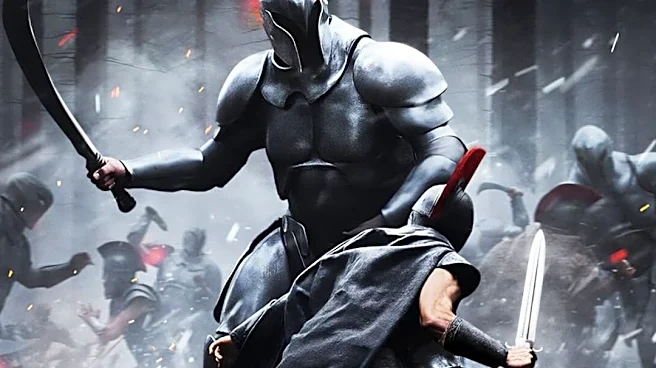
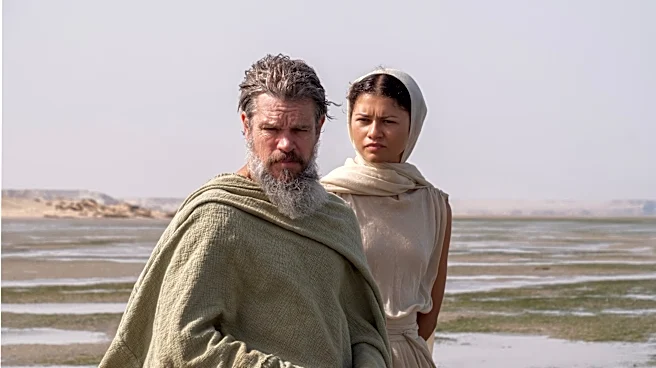
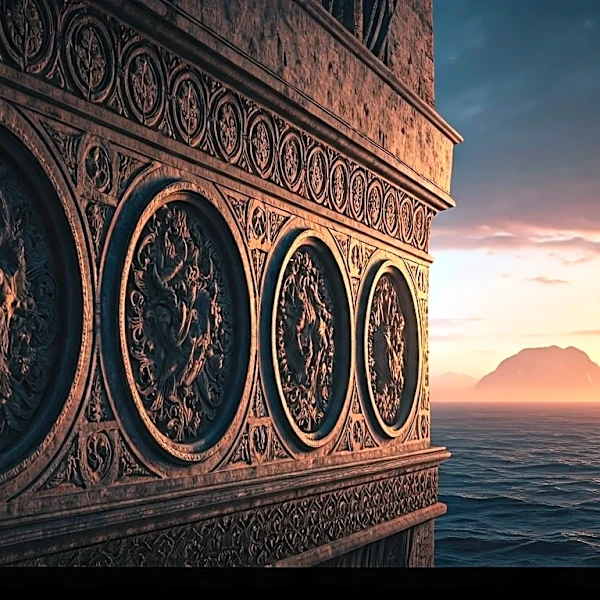
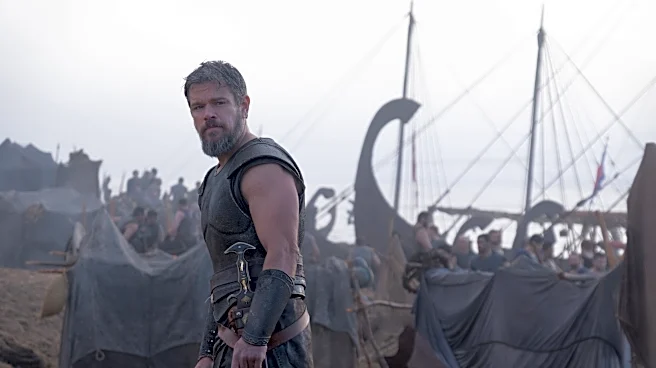
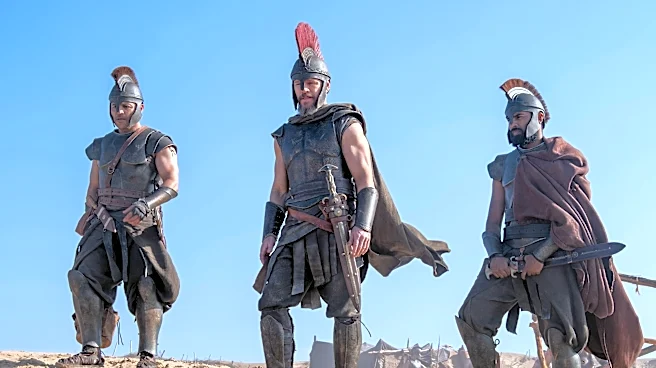
Nolan doesn’t just show up, wave, and leave. His appearances are carefully constructed arguments. At CinemaCon 2026, he presented footage from his ambitious film "The Odyssey" and spoke about it being not just a story, but "the story." He ties his specific project to a universal, timeless idea of storytelling, elevating his movie into a cultural necessity. He speaks passionately about his childhood memories of the grandness of cinemas and the thrill of the curtains opening, framing the theatrical experience as something almost sacred. He has consistently argued against the studio mindset of treating film as a series of plot points, instead championing it as a “pure audiovisual experience.” This isn’t just marketing; it’s a sermon, designed to reinforce the idea that his films—and by extension, event cinema itself—are irreplaceable.
Defining the 'Event' in Event Cinema
What truly defines an “event” movie? In Nolan's playbook, it's about creating an experience that cannot be replicated on a laptop or television. It's why he pushes technical boundaries, shooting with IMAX cameras to create a spectacle that demands a specific type of viewing. For his latest film, "The Odyssey," he achieved the feat of shooting the entire movie on IMAX film, something he called his "longest-held ambition." This technical purism creates its own hype. Fans have been known to travel across the country to one of the few dozen theaters worldwide capable of projecting his films in the 70mm IMAX format he intends. The scarcity and dedication required to see the film as the director envisioned transforms a movie release into a pilgrimage. That is the essence of event cinema: a shared experience so unique it becomes a destination.
A Symbiotic Relationship
Nolan’s appearances are ultimately a reinforcement of a crucial partnership. He needs exhibitors to provide the grand “architectural space” for his work, and they need him to provide the films that make those spaces feel essential. After a public split with Warner Bros. in 2020 over their decision to release films simultaneously on streaming, Nolan’s move to Universal was predicated on a commitment to a theatrical-first model. His presence at CinemaCon is a message to his partners: I will continue to deliver films that fill your seats if you continue to provide an unparalleled experience. It's a powerful alliance in the face of streaming's convenience, with Nolan acting as both artist and industry crusader, using his immense influence to argue that the magic of the movies is still found in a dark room, with the curtain going up.