





Redefining 'Dirty': The Obvious Signs for the Hamper
Let's start with the easy calls. Some clothes unequivocally belong in the laundry basket after a single use, no questions asked. These are items that have direct, prolonged contact with your skin and collect the most bacteria and body oils. Think underwear,
socks, workout gear, and undershirts. The same rule applies to anything with a visible stain; the sooner you treat and wash a spill, the less likely it is to become permanent. Finally, trust your nose. If a garment has a noticeable odor that persists even after it's cooled down from your body heat, it's time for a wash. The 'sniff test' isn't foolproof for everything, but for strong body odor, it's a reliable indicator that airing it out won't be enough.
The Power of a 'Rest Day' for Your Clothes
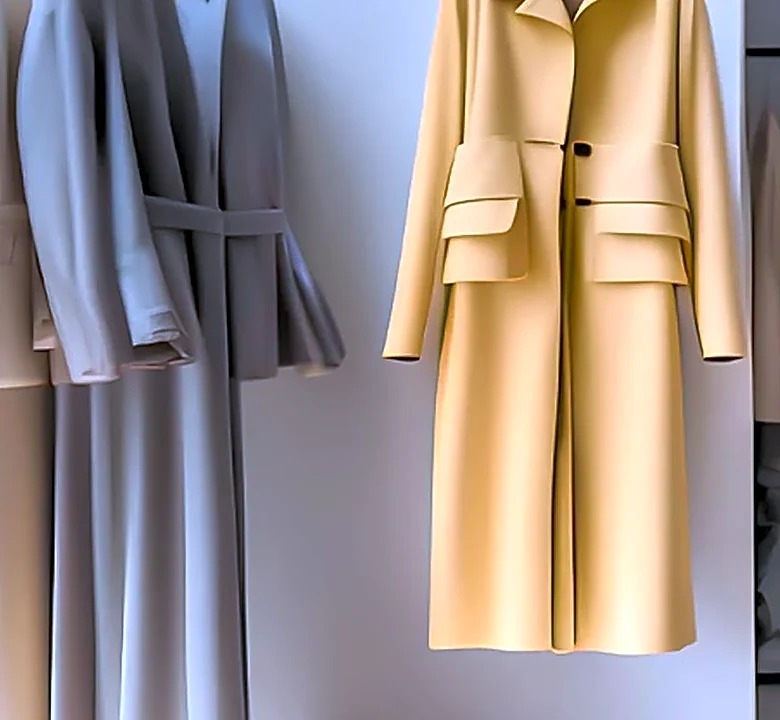
Giving your clothes a rest is about more than just avoiding the wash; it's an active process of refreshing them. The core principle involves letting air circulate through the fibers to dissipate moisture and the volatile compounds that cause light odors. After you take off a garment, don't toss it on a chair or put it straight back in the closet. Hang it on a hook or a hanger in a well-ventilated area for a few hours, or even overnight. This simple step allows the fabric to dry out completely and release any trapped scents from your day. Rotating your wardrobe is another key part of this. Avoid wearing the same item on consecutive days to give the fibers time to relax and regain their shape, which helps prolong the garment's overall lifespan.
Know Your Fabric's Personality
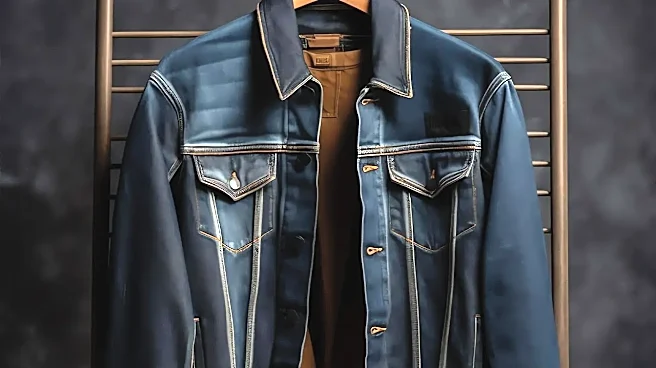
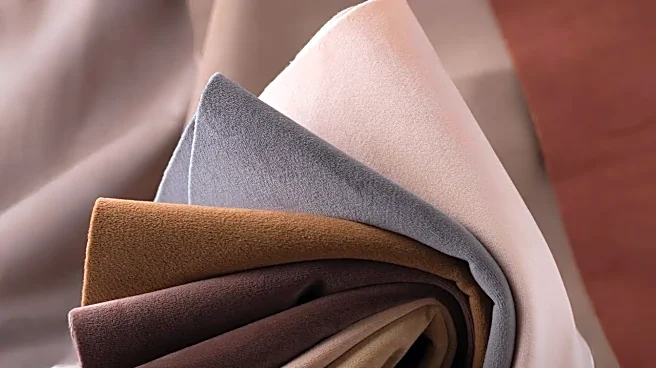
Not all materials are created equal when it comes to needing a wash. Natural fibers are often the best candidates for resting. Wool and cashmere, for example, are naturally antimicrobial and excellent at releasing odors when aired out. Denim is a dense, durable fabric that doesn't hold onto smells easily and can go four, five, or even more wears before it needs washing, unless it's visibly soiled. On the other hand, synthetic fibers like polyester and nylon are known for trapping oils and odors, meaning they often need washing more frequently. A polyester workout shirt will almost always need a wash after one use, while a wool sweater worn over an undershirt might be fresh for weeks. Cottons and linens fall somewhere in the middle; they are breathable but can hold onto moisture, so an air-out is often effective.
Level-Up Your Refreshing Techniques
When simple airing isn't quite enough, you have other tools at your disposal. A handheld steamer is a fantastic investment. Not only does it release wrinkles, but the hot steam also helps kill odor-causing bacteria and refresh the fabric without the stress of a full wash cycle. For a quick fix, a light mist from a fabric spray can neutralize odors, but look for ones that use biotechnology to tackle bacteria rather than just masking smells with fragrance. If you're dealing with lint, hair, or pilling that makes a garment look worn, a simple lint roller or fabric shaver can instantly make it look crisp and new again. For small spills, spot cleaning with a damp cloth and a bit of gentle detergent is far better than washing the entire piece.
The Chair-to-Closet Checklist
So, how do you decide if that shirt on the chair is ready to go back in the closet? Run through this mental checklist. First, is it visibly clean with no spots or stains? Second, does it smell fresh after being aired out? Third, what is it made of? If it's wool, denim, or a heavy cotton jacket worn lightly, it's likely fine. Fourth, how was it worn? A dress worn for two hours to a cool, indoor event has more life in it than a t-shirt worn on a hot, humid day. If a garment passes these tests, it's earned its place back on the hanger, saving you from an unnecessary load of laundry and helping your favorite pieces last longer.