
A Perfectly Distilled Starter Pack
An artist's headlining tour is for the dedicated fans. It’s a two-hour deep dive filled with obscure B-sides, personal favorites, and the kind of extensive jamming that rewards loyalty. A festival set is the exact opposite. Artists know they’re playing
to a broad audience, many of whom are hearing them for the first time. The set time, usually an hour or less, is determined by promoters, forcing bands to be ruthlessly efficient. They have to make an immediate impact. This constraint is a gift to new listeners. The setlist becomes a high-octane sampler, a deliberately constructed “greatest hits” package designed to win over a floating, distracted crowd. You get the radio singles, the fan-favorite anthems, and the most energetic tracks—all delivered with an urgency meant to grab and hold your attention. It’s the artist making their best case for why you should care, all in under an hour.
The Vibe Is the Message
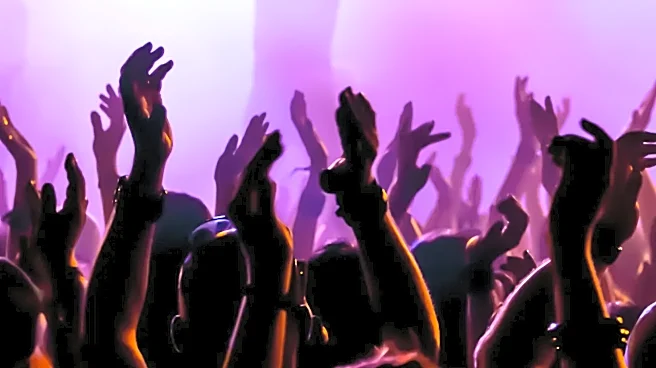
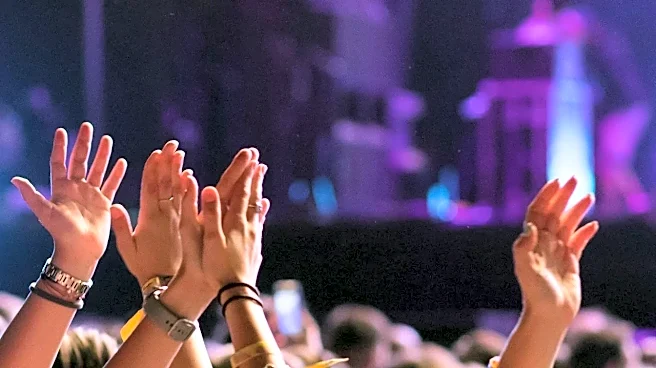
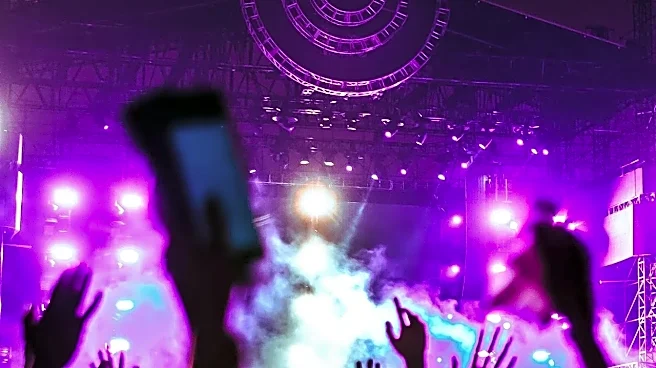
Some songs don’t fully click until you see them live. A studio recording can be pristine, but it can’t replicate the electric feedback loop between a performer and a thousand cheering fans. At a festival, you aren't just hearing a song; you're experiencing it as a communal event. That shared energy can transform a song you might have skipped on a playlist into an unforgettable anthem. The festival environment—a mix of celebration, discovery, and social energy—provides a powerful emotional context. Seeing which lyrics the crowd screams back or which moments inspire a collective dance-a-thon offers a real-time guide to the most resonant parts of an artist's catalog. It's a form of social proof that can be far more persuasive than any algorithm's recommendation, turning a passive listen into an active, memorable experience.
A Crash Course in Visual Storytelling
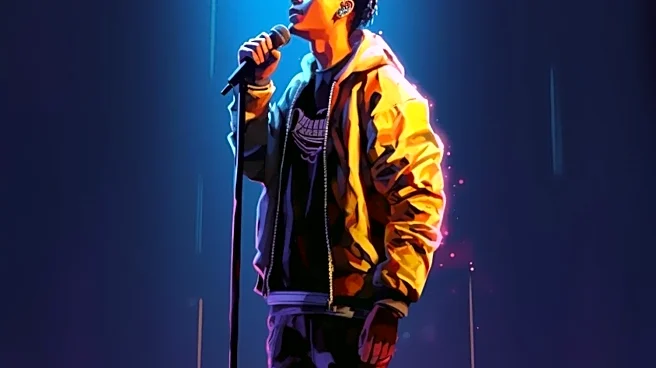
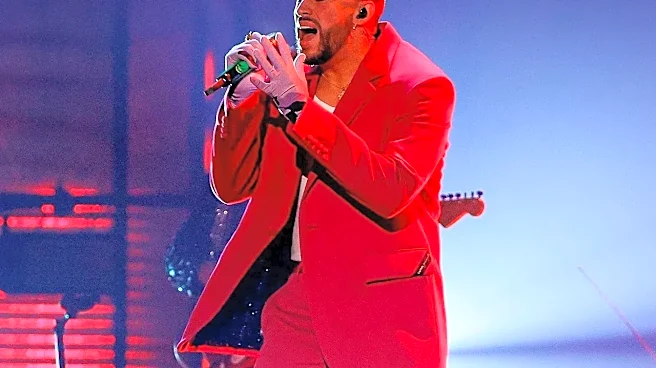
In the streaming era, music can often feel disconnected from the artists who make it. A festival performance slams the humanity and vision right back into the equation. Artists use these massive stages to present a complete aesthetic package. From elaborate stage design and lighting rigs to fashion and choreography, the visual presentation is a crucial part of their identity you simply don't get from an audio-only experience. This is especially true as festivals have become more visually ambitious, incorporating large-scale art installations and advanced production. Seeing how an artist commands a stage, the raw emotion on their face during a solo, or the quirky way they interact with their bandmates adds layers of personality that can forge a much deeper connection. This visual storytelling provides an entirely new dimension to the music, offering clues about the artist's influences, sense of humor, and overall worldview.
The Low-Stakes Music Buffet
Committing to a new artist can feel like a big investment of time and energy. Festivals remove that barrier to entry entirely. They are the ultimate low-stakes music buffet, where you can sample dozens of acts over a single weekend. If you wander over to a stage and aren’t feeling the vibe after a few songs, you can simply move on to the next one without any guilt or lost investment. This freedom makes festivals a potent engine for discovery. It encourages musical exploration, allowing you to stumble upon your next favorite band by accident while walking between main stages. Arriving early to catch opening acts can be especially rewarding, as these slots are often filled with emerging talent. That 45-minute set is a risk-free trial that might just lead you to buy a ticket to their headlining show six months later.