

The Quiet Rebellion Against Choice
We were promised a utopia of choice. Streaming services like Netflix and Disney+ offer vast libraries, yet many viewers are experiencing 'decision fatigue'. The endless scrolling and pressure to find the 'perfect' new show can be mentally exhausting.
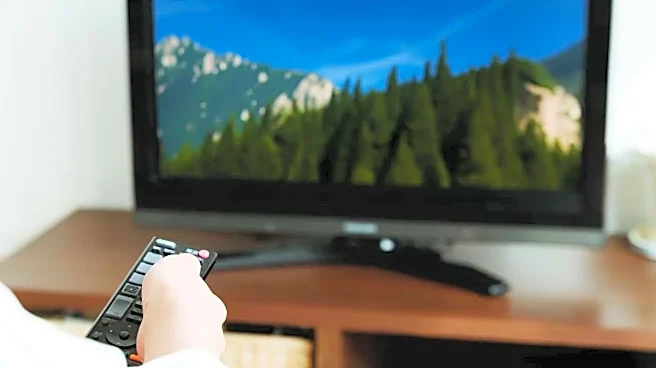
In response, a significant number of people are turning back to the passive, curated experience of traditional cable. There’s a profound comfort in turning on a channel where the programming is already set. It requires no mental energy, just a willingness to lean back and let the content wash over you. This isn't laziness; it's a form of emotional self-care in a world of overwhelming options. The predictable rhythm of a marathon or a familiar block of shows provides a sense of stability that on-demand viewing often lacks.
The Culinary Cocoon: Baking Marathons
Nowhere is this trend more apparent than in the world of food television. Baking competitions, in particular, have become a cornerstone of comfort viewing. Channels like Food Network dedicate huge blocks of airtime to shows like 'Holiday Baking Championship' and 'The Ultimate Baking Championship'. These programs offer low-stakes drama, creativity, and a satisfying, self-contained narrative in every episode. Weekend-long marathons, like those curated by Create TV for Julia Child's birthday, allow viewers to immerse themselves in a world of flour, sugar, and friendly competition. The appeal is simple: the problems are solvable, the creations are beautiful, and the atmosphere is almost always encouraging. It's a sweet, predictable escape from a chaotic reality.
The Nostalgia Loop: Retro Sitcom Blocks
Another major comfort niche is the block of classic sitcoms. Digital subchannels and cable networks have found immense success programming back-to-back episodes of shows from the '70s, '80s, and '90s. These aren’t just shows; they are time machines. For many, rewatching a beloved series evokes nostalgia, reminding them of simpler or happier times. Psychologists note that this isn't just about the humor; it's about returning to a familiar world with characters who feel like old friends. The narrative is known, the jokes land exactly where you remember them, and there are no jarring surprises. This predictable emotional payoff reduces stress and provides a sense of control that is often missing from modern life and even from new, more emotionally demanding television.
Beyond the Obvious: Hobby Holes and Hyper-Focus
The trend extends far beyond baking and sitcoms. Cable lineups are increasingly filled with channels dedicated to a single, hyper-specific interest. Think channels that show nothing but home renovation projects, classic car restorations, or murder mysteries. These 'hobby holes' cater to passionate audiences who want to deeply immerse themselves in a topic they love. Create TV, for example, programs marathons focused on everything from travel with Samantha Brown to global adventures with the View Finders. This model succeeds because it trades broad appeal for deep engagement. It recognizes that in a fragmented media landscape, serving a dedicated niche can be more powerful than trying to be everything to everyone. It’s a return to the old fanzine mentality, but delivered directly to your living room.