
The Festival's Baseline: What's Included?
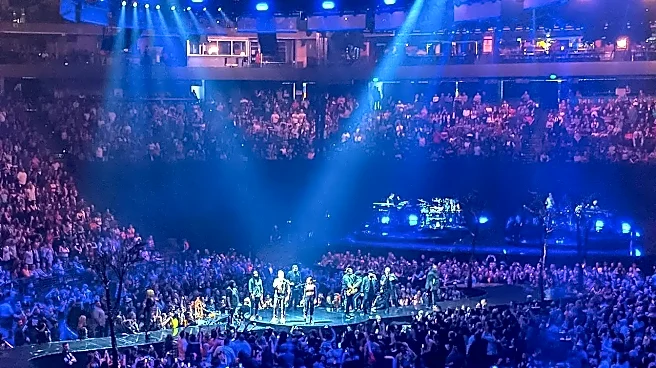
First, it's important to understand what the festival itself provides. For their booking fee, an artist typically gets a space on the stage, access to the festival's house sound system (the PA), and a basic lighting rig. Think of it as a blank canvas.
The festival ensures the audience can see and hear the performers, but the standard package is designed to work for everyone on that stage all day. It’s functional, not custom. For any artist looking to create a unique, memorable experience that stands out from the other dozen acts on the bill, this baseline is just the starting point. Everything that makes a show feel special—the custom graphics, the perfectly timed light cues, the explosive moments—is an extra cost borne by the artist.
The Visuals Arms Race: Screens and Content
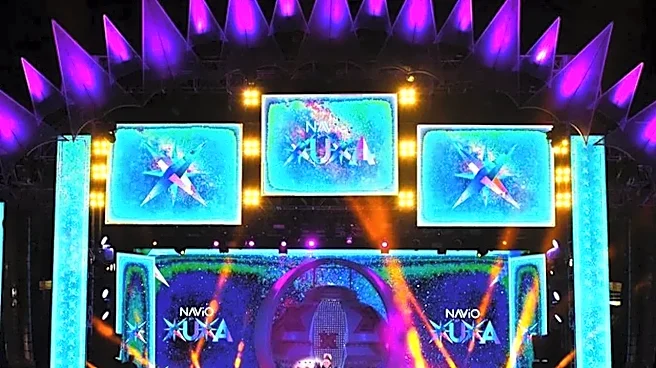
The single biggest investment for an artist is often in visuals. This is a two-part expense: the physical screens and the content that plays on them. While a festival might have some built-in LED panels, an artist wanting a specific look will often rent their own high-resolution video wall, a line item that can easily run from $15,000 to over $100,000 depending on size and specs. But the screens are useless without content. Creating custom, beat-synced 2D and 3D motion graphics for an entire set is a significant creative and financial undertaking. Artists hire visual designers or entire creative studios for weeks or months, costing anywhere from a few thousand to tens of thousands of dollars to produce the video files that define the show's aesthetic.
Beyond Basic Lighting: Lasers, Smoke, and Fire
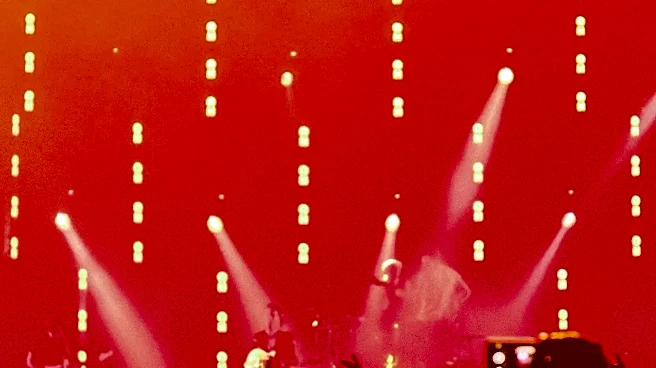
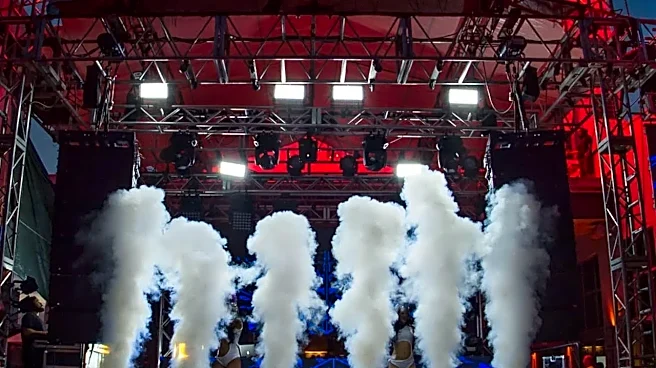
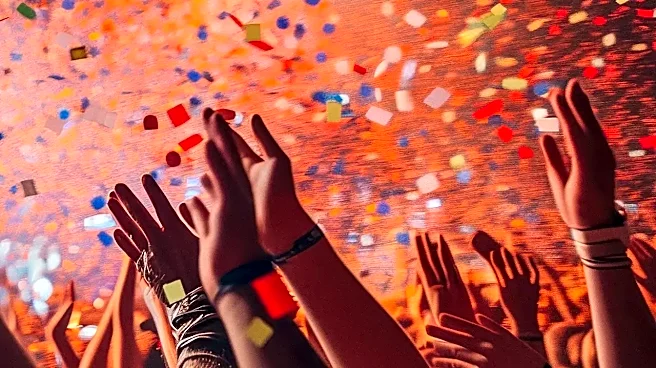
The house lighting rig can illuminate a band, but it can't create a spectacle. To do that, artists bring in their own lighting package and a dedicated lighting designer (LD). This can include renting specific moving-head light fixtures, powerful strobes, and atmospheric haze machines to make light beams visible. These supplemental packages can cost between $10,000 and $80,000 or more. Then come the special effects. Want perfectly timed CO2 jet blasts? That’s an extra rental. Confetti cannons for the big drop? Add it to the bill. And for the ultimate statement, pyrotechnics (flames and fireworks) require not only expensive equipment but also specialized licenses and technicians, driving the cost up dramatically. Each effect is carefully chosen to create a peak moment in the set, but none of it comes cheap.
The Human Element: The Touring Production Crew
An artist's touring party for a festival is often much larger than just the musicians. To run a high-production show, they need a specialized crew. This includes a production manager to coordinate everything, a front-of-house engineer to mix the sound, a monitor engineer for the band's on-stage sound, a lighting designer to operate the custom light show, and a video tech (or VJ) to run the visuals. These are highly skilled professionals who are paid a day rate, and their travel, accommodation, and meals are all covered by the artist. For a single festival weekend, the cost of this specialized crew can easily add up to thousands of dollars, a necessary expense to ensure the expensive gear is used to its full potential and the show runs flawlessly.
The Big Gamble: Is the Investment Worth It?
Adding it all up, a mid-tier artist might spend anywhere from $50,000 to well over $200,000 of their own money on a single 45-minute festival performance—a cost that can sometimes eclipse their actual performance fee. So why do it? It's a strategic investment in their future. A show that generates buzz on social media and in the press can lead to a massive spike in streams and followers. It justifies a higher booking fee for future shows, helps secure a better spot on the next festival lineup, and convinces fans to buy tickets for their own headlining tour. In a crowded music landscape, a stunning live show is one of the most powerful tools an artist has to prove they belong on the main stage. It’s a high-risk, high-reward play that, when it works, can pay dividends for years to come.