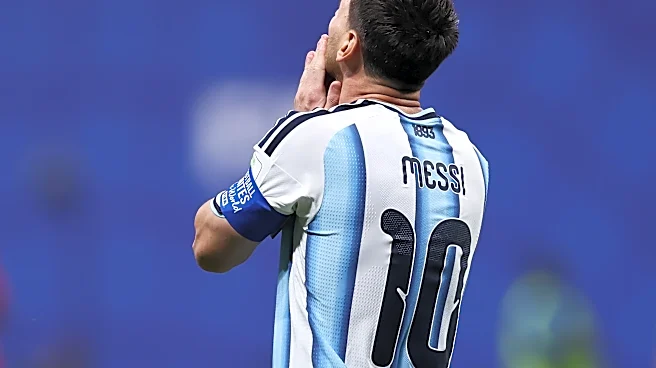

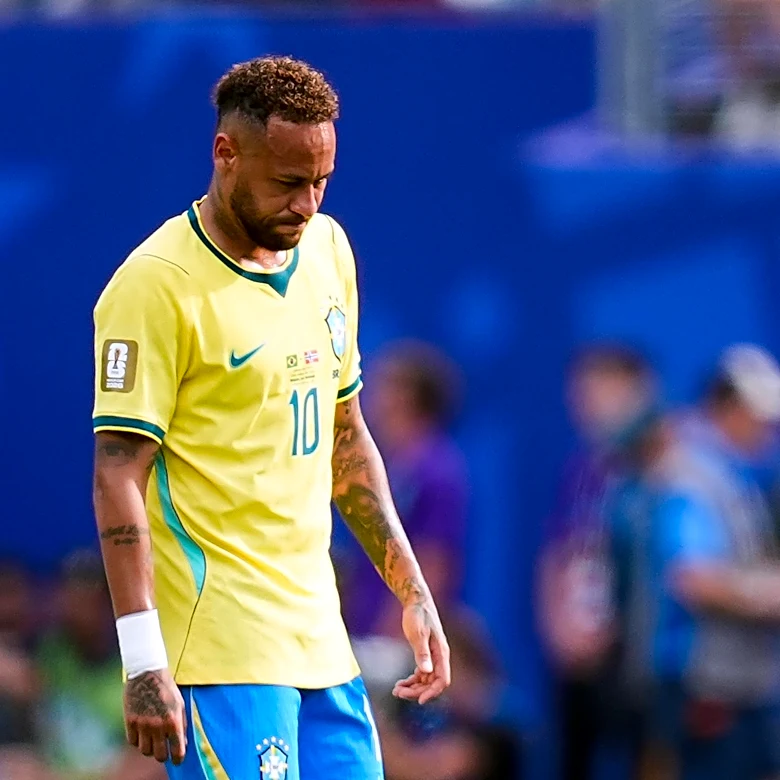







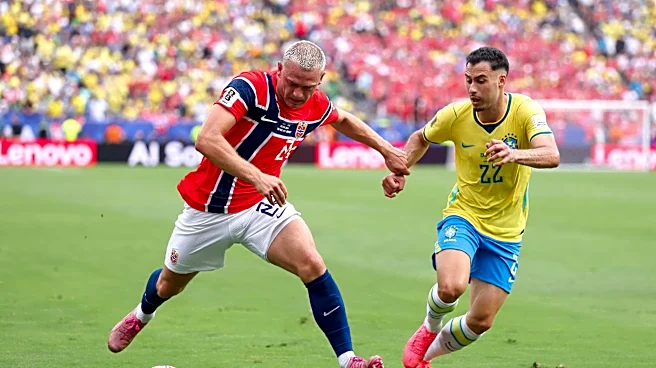


It’s More Than a Game, It’s an Identity
For fans, especially in international tournaments, a soccer team is more than a collection of athletes; it's a representation of 'us'. This is the core of Social Identity Theory in sports: a team's performance becomes linked to a fan's own sense of self-esteem
and belonging. When your team wins, you don't just feel happy for them—psychologists call it “basking in reflected glory,” where their victory feels like your own. The reverse is also true. A loss, particularly a public and high-stakes one, isn't just a disappointing result. It can feel like a personal failure, a blow to your collective identity that you share with millions of others. That sense of community is a powerful bond, and the shared pain of a loss can be just as unifying as the joy of a win, creating a powerful sense of 'we-ness' in suffering.
The Brain Is Wired to Remember Pain
There’s a neurological reason these moments get etched into our minds. Emotionally charged events, especially negative ones, are prioritized by the brain for memory storage. Think of it as a 'negativity bias'—our brains are wired to pay more attention to threats and disappointments as a survival mechanism. A shocking last-minute goal against your team or a heartbreaking penalty shootout loss can trigger a flood of stress hormones like cortisol. This emotional intensity essentially tells your brain, “This is important. Do not forget it.” The result is a “flashbulb memory,” a highly detailed and vivid recollection of the moment you heard the bad news. Your brain doesn’t really distinguish between the pain of social rejection or collective failure and actual physical pain; the same neural circuits can be activated, which is why that gut-punch feeling is so real.
The Birth of a Modern Myth
These painful memories don’t just exist; they evolve into stories. They become the folklore of a fanbase, passed down from one generation to the next. Brazil’s stunning 7-1 loss to Germany on home soil in the 2014 World Cup wasn't just a defeat; it became a national trauma, a story of public collapse that fans will tell for a century. For England, the narrative of penalty shootout losses became a kind of national curse, a recurring tragicomedy. These aren’t just recaps of a game; they are modern myths complete with heroes, villains, tragic flaws, and cruel twists of fate, like Zinedine Zidane's headbutt in the 2006 World Cup final. The retelling of these stories—in pubs, online, and at family gatherings—strengthens their power and preserves them in the collective memory of the fanbase.
A Story Everyone Knows
Ultimately, the comparison to a “family story” is perfect because these memories are communal. We rarely experience these crushing defeats alone. We watch in living rooms packed with friends, in crowded bars where strangers in the same jersey feel like kin, and in stadiums vibrating with shared hope. The collective gasp, the shared silence, the communal despair—these moments forge powerful social bonds. The story of the loss becomes a shared reference point, a piece of common knowledge that binds the “family” of fans together. It's the reason a phrase like “no era penal” (it wasn’t a penalty) can instantly unite millions of Mexico fans in shared frustration over their 2014 World Cup exit. The story of heartbreak becomes part of the price of admission for fandom, a testament to your loyalty that makes the eventual, all-too-rare victories feel that much more transcendent.