






Myth: Captains Can Argue Calls
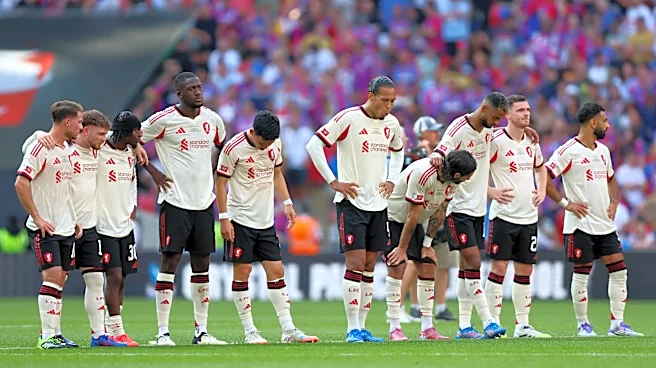
This is the biggest misconception. In most sports, particularly soccer, a captain has no special right to argue a judgment call. In fact, arguing—or what officials call 'showing dissent by word or action'—is a punishable offense, often resulting in a yellow card. The iconic image of a captain getting in a referee's face is usually a player walking a very fine line, risking a booking for their team. What they *can* do is ask for clarification in a calm, non-confrontational manner. A question like, 'Ref, can you tell me what you saw there?' is acceptable. A statement like, 'That was never a foul!' is not. The primary role of the captain in these moments is often to manage their own teammates, pulling them away from the official to prevent them from getting into
trouble.
Reality: The Rules Vary Greatly by Sport
The power and protocol of the captain-referee relationship differ dramatically across sports. Rugby is perhaps the gold standard for clarity and respect. Only the captain is permitted to speak to the referee, and the conversations are expected to be calm and formal. Referees are often mic'd up, and you can hear them addressing the captain by name, explaining their decisions clearly. In the NHL, the rules are similarly strict: only the captain or alternate captains on the ice are allowed to discuss a rule interpretation with the referee, and they must do so at the officials' crease. They are explicitly forbidden from discussing judgment calls like penalties. In basketball and American football, the role is far less defined. While certain players might be designated as 'game captains,' they have no special privileges to discuss calls. Any player can technically ask a question, and any player can be penalized for arguing.
The Art of Unwritten Rules
Beyond the rulebook, a successful captain operates in a world of unwritten codes. The best captains understand that their relationship with an official is a game-long negotiation built on respect, not confrontation. A captain who introduces themselves before the game, communicates calmly, and treats the referee like a professional is far more likely to get a thoughtful explanation later on than one who screams at the first sign of controversy. This is the 'soft power' of the captaincy. They can ask the referee to watch for a specific type of foul being committed by the opposition, or they can promise the official that they will speak to a teammate who is being overly aggressive. It’s a strategic dialogue. A good captain isn't a lawyer fighting a case; they are a diplomat managing a delicate, high-stakes relationship.
So, What Can They Actually Achieve?
A captain can almost never get a judgment call overturned. A referee will not reverse a penalty, foul, or goal decision based on a captain's plea. What they can achieve is more subtle but still valuable. They can get crucial information. For example, in soccer, if a penalty is given for handball, the captain can ask the referee *why* it was deemed intentional. This information can help the player and team adjust. They can also subtly influence future calls. By respectfully pointing out that a certain player is repeatedly committing small, uncalled fouls, a captain might plant a seed in the referee's mind, making them more likely to spot the next infraction. Finally, and most importantly, they can control the temperature of the game, keeping their own team focused and preventing a spiral of dissent that leads to more cards and penalties.