





The Holiday Anchor: An Origin Story
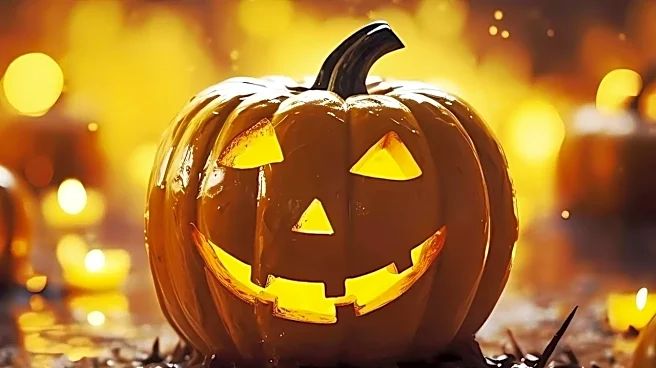
The story of October and horror begins not with film, but with folklore. The modern holiday of Halloween has its roots in ancient Celtic festivals like Samhain, a time when the veil between the living and the dead was believed to be at its thinnest. Brought
to America by Irish and Scottish immigrants, these traditions evolved over centuries, eventually becoming a community-focused holiday of costumes and trick-or-treating. For decades, this cultural connection to the spooky and supernatural was the primary link. While a few iconic horror films like "Night of the Living Dead" (1968) and "The Texas Chainsaw Massacre" (1974) had October releases, it wasn't yet a deliberate industry strategy. That all changed in 1978 with John Carpenter's masterpiece, "Halloween." Its title alone forever tied a film to the holiday, proving that a well-timed slasher could become a cultural event. It provided the blueprint, creating a powerful marketing anchor that studios would later learn to exploit.
The Box Office Proving Ground
While "Halloween" lit the fuse, it was the 2000s that turned October into a box office inferno. The key architect of this shift was the "Saw" franchise. From 2004 to 2010, Lionsgate released a new installment almost every year on the weekend before Halloween, dominating the horror box office. This strategy created an annual cinematic tradition, teaching audiences to expect a major horror release as part of their seasonal celebrations. Soon, other studios followed. The "Paranormal Activity" series found massive success with its low-budget, high-concept thrills, particularly with its second and third installments released in October. The month was no longer just a thematic fit; it was a financially proven goldmine. Releasing a horror film in October meant tapping into a pre-existing cultural mindset. Audiences weren't just going to the movies; they were participating in a seasonal ritual, and studios were cashing in on a guaranteed, engaged audience.
From Halloween Night to 'Spooky Season'
The real explosion in value came when the phenomenon stretched beyond a single holiday. Driven by social media and savvy marketing, the entire month of October was rebranded as "spooky season." What was once a day or a weekend became a 31-day celebration of all things macabre. This cultural shift created a sustained demand for horror content throughout the month. It wasn't just about the big theatrical release on Halloween weekend anymore. Retailers filled aisles with spooky decor, coffee shops rolled out pumpkin-spiced everything, and people started planning their 31-day horror movie watchlists from October 1st. This expanded cultural appetite meant more room for more movies—from big-budget blockbusters to indie darlings—to find an audience. The season created its own gravity, pulling in not just horror fans but anyone looking to participate in the month-long festive atmosphere.
The Streaming Wars' Secret Weapon
If the box office built the house, streaming services furnished it. In the modern media landscape, October has become a critical battleground for platforms like Netflix, Shudder, Hulu, and HBO Max. These services leverage the month to attract and retain subscribers by curating massive horror libraries and launching exclusive new films and series. Events like Hulu's "Huluween" and Peacock's focus on horror content transform their platforms into month-long destinations for frights. For services, October is the perfect hook; they can roll out dozens of new and classic horror titles, knowing a huge portion of their audience is actively seeking them out. It’s no longer just about one hit film. It’s about catalog depth, from slasher franchises to psychological thrillers and family-friendly scares, ensuring that every subscriber finds something to watch all month long, solidifying October as horror's most lucrative and essential period.