



From Primetime Slots to App Icons
The fundamental reality of television has changed. For decades, the goal for a network was simple: win a specific time slot. The battle was for 8 p.m. on a Tuesday. Power was wielded by controlling the flow of content on a fixed schedule. Now, streaming
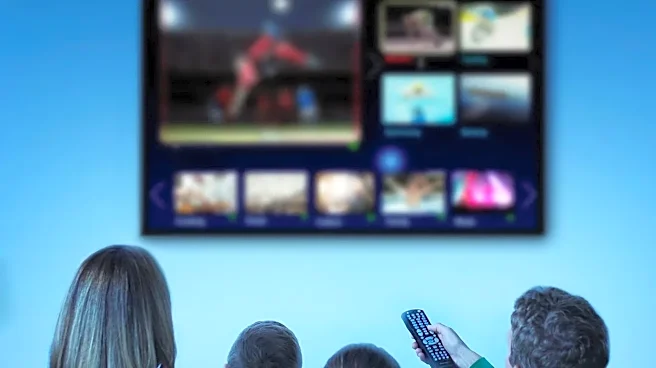
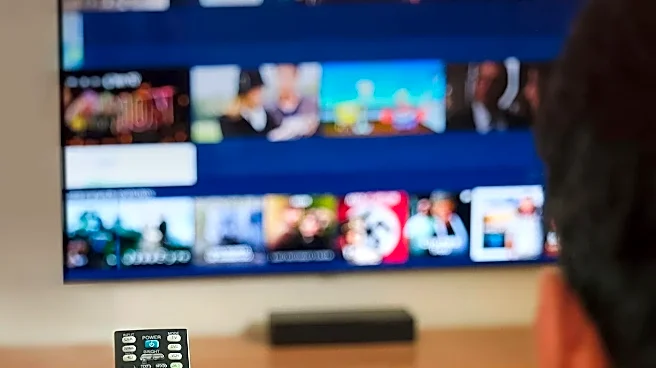
accounts for the lion's share of television viewing, often surpassing cable and broadcast combined. Viewers are no longer captive to a programming grid; they are curators of their own media libraries, hopping between apps on a smart TV. The power has shifted from the channel number to the app icon. In this new world, being one of a dozen options on a screen is a far cry from being one of three major news networks everyone knows.
The Last Great Asset: Nostalgia
This is where 'audience memory' becomes a tangible, billion-dollar asset. Brands like CNN, ESPN, and HBO spent the better part of 40 years embedding themselves in the cultural firmament. They were the default options for breaking news, live sports, and prestige television, respectively. While cord-cutting has decimated their traditional subscriber bases, with household penetration continuing its steady decline, that brand recognition remains. The identity battle of 2026 is about leveraging that deep-seated memory. The thinking is that even if you haven't had a cable box in years, when you think 'sports,' the first name that comes to mind is still ESPN. That mental shortcut is their most powerful weapon in the chaotic app economy.
Weaponizing the Brand in a Streaming World
We're seeing this strategy play out across the industry. ESPN has finally gone all-in, launching a comprehensive direct-to-consumer streaming service that bundles its linear channels and premium content, effectively betting that the brand itself is valuable enough to warrant a standalone subscription outside the cable bundle. It’s a move to make 'ESPN' synonymous with sports viewing, regardless of how the content is delivered. Similarly, news networks are fighting to make their brands visible on platforms where younger audiences congregate, from short-form video apps to dedicated streaming channels. They are no longer just TV channels; they are multi-platform news organizations whose survival depends on their brand being strong enough to pull users into their own ecosystems, away from the algorithmically-driven feeds of social media.
A Fight They Can't Afford to Lose
The alternative is grim: irrelevance. Dozens of once-mighty cable channels are now shadows of their former selves, with subscriber numbers dwindling below sustainable levels as cable and satellite providers shrink their offerings. The networks with strong, ingrained identities are the ones with a fighting chance. They are not just fighting each other; they are fighting against a tide of new media players, from massive tech giants to independent creators who have built their own loyal followings. The core gamble is whether the trust and familiarity built in the 20th century can be successfully ported into the fragmented, personalized, on-demand landscape of the 21st. The challenge is that memory can also be a trap, tying brands to an old way of doing things in a world that demands constant, rapid evolution.