





1. The Wool Family
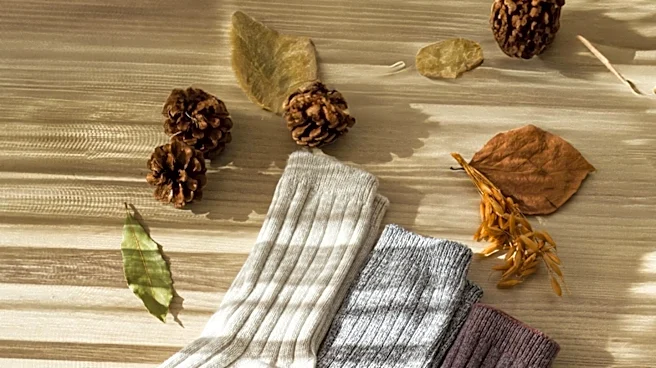
Wool is the bedrock of Scandinavian style, prized for its warmth and breathability. The new Nordic wardrobe features a variety of wools: soft merino for base layers, chunky Shetland for textured sweaters, and refined recycled wool for tailored coats.
Brands like Arket have even developed their own organic merino yarn projects, creating pieces designed for longevity. This isn't just about staying warm; it's about investing in quality knitwear that forms the cozy, practical heart of the closet.
2. Linen's Modern Moment
If wool is the winter hero, linen is its undisputed summer counterpart. Once reserved for simple tunics, linen is now used for everything from wide-leg trousers and oversized blazers to flowing dresses. Its natural, slightly crinkled texture adds a relaxed, lived-in feel that is central to the modern Scandi aesthetic. As a durable and breathable natural fiber, it also aligns perfectly with the region's focus on sustainability.
3. Conscious Cotton
Cotton is a global staple, but in the Nordic wardrobe, the emphasis is on quality and origin. Organic and GOTS-certified cotton are the new standards for basics like tees and crisp shirts. This shift reflects a move away from disposable fashion toward pieces that are softer, more durable, and produced with less environmental impact. You'll find it in everything from simple white shirts to the perfect pair of everyday jeans.
4. The Rise of Tencel and Lyocell
Walk into a store like GANNI or Atelier Kajsa, and you'll find pieces made from Tencel or Lyocell. These modern, semi-synthetic fabrics are derived from wood pulp, making them a more sustainable alternative to conventional viscose. Known for their soft feel, beautiful drape, and breathability, they are used for blouses, dresses, and trousers that feel both luxurious and comfortable.
5. Next-Gen Recycled Synthetics
Functionality is key in a region known for its unpredictable weather. The new Nordic wardrobe meets this need with high-performance outerwear made from recycled materials. Recycled nylon and polyester, often from plastic bottles, are used for puffer jackets, raincoats, and functional vests. This approach combines practicality with a commitment to circular design, reducing waste without sacrificing performance.
6. Hemp's Hardy Return
Hemp is making a significant comeback in sustainable fashion circles, and Nordic brands are taking note. This durable, natural fiber requires no chemicals to grow and has unique properties; its fibers close in the cold and open in the heat, making it a versatile, multi-season fabric. It's being used for everything from jackets to trousers, offering a sustainable alternative to cotton and linen.
7. Timeless Denim
Denim is a cornerstone of the relaxed Scandinavian look. The focus is on clean, simple washes and classic fits, like straight-leg or relaxed-fit jeans that prioritize comfort and durability. Brands like Samsøe & Samsøe and Acne Studios have built their reputations on high-quality denim that serves as a versatile foundation for countless outfits. The new wave often includes organic or recycled cotton for a more sustainable take on the classic.
8. Luxurious Cashmere and Alpaca
For a touch of quiet luxury, Nordic wardrobes rely on incredibly soft knits. Cashmere, often recycled, is used for elevated basics that feel refined and timeless. Fuzzy, textured sweaters made from mohair and alpaca have also become a signature look, adding a playful and cozy dimension to minimalist outfits. These materials provide warmth without bulk, perfecting the art of sophisticated layering.
9. Leather (and Its Alternatives)
A great leather jacket, skirt, or pair of boots is a long-standing element of Scandinavian cool. Valued for its durability and edgy aesthetic, leather is seen as a lifetime investment piece. In line with modern values, high-quality vegan alternatives and innovative materials like Shell Cordovan are also becoming prominent, offering the same timeless appeal with a focus on ethical production.
10. Silks and Cupro
To soften the functional, often utilitarian core of the wardrobe, designers use fluid fabrics like silk and cupro. Organic silk blouses and slip dresses add a touch of elegance and femininity, often appearing in the playful prints favored by brands like GANNI. Cupro, a silk-like fabric made from recycled cotton waste, offers a similar feel with stronger sustainability credentials.