





The Backlash Against Throwaway Culture
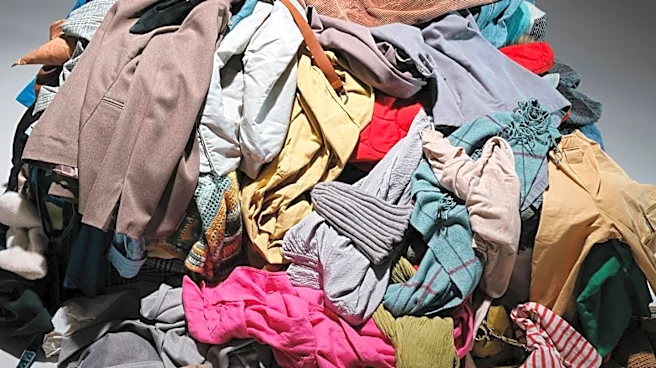
For decades, the prevailing logic in footwear was simple: buy cheap, wear it out, toss it, and repeat. This model, fueled by fast fashion, created a mountain of waste and conditioned consumers to see shoes as temporary. But a growing movement focused
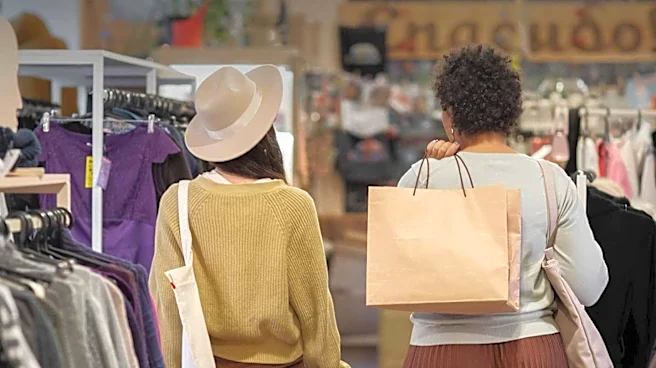
on sustainability and long-term value is changing that mindset. People are increasingly investing in high-quality, durable footwear, not just for the superior comfort and style, but as a conscious choice against a throwaway economy. This isn't just about environmentalism; it's about a renewed appreciation for things that are built to last. The idea of extending the life of a product by just nine months can reduce its carbon and water footprints by 20-30%. As consumers pivot to buying fewer, better things, they are rediscovering a forgotten ally in their closet's upkeep: the local shoe repair specialist.
The Simple Math of Repairing vs. Replacing
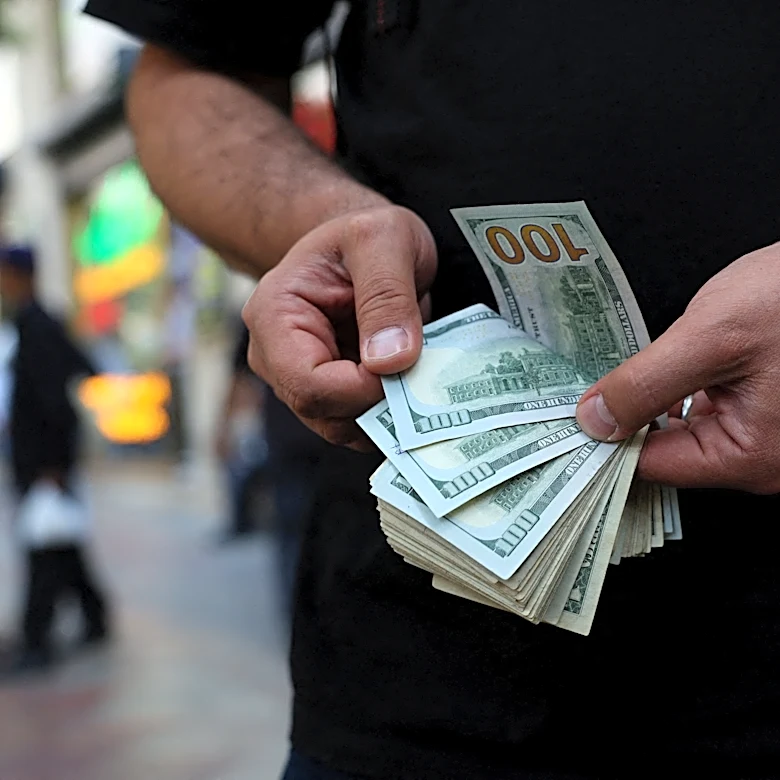
The financial argument for repairing well-made shoes is surprisingly compelling. A common rule of thumb is that if a repair costs less than half the price of a new pair, it's a smart investment. Consider a $300 pair of leather boots. A full resole might cost around $85, significantly less than buying a new pair of the same quality. High-quality shoes are designed to be repaired; their stitched construction allows for soles to be replaced multiple times, unlike cheaper, glued-together footwear. This means a single pair of well-made shoes can last for decades with periodic maintenance, making the lifetime cost far lower than constantly replacing $80 shoes that fall apart after a season. Small, preventative repairs offer even greater savings. Replacing worn heel tips or adding sole protectors can prevent more extensive and costly damage down the line.
A Boom for an Artisan Trade
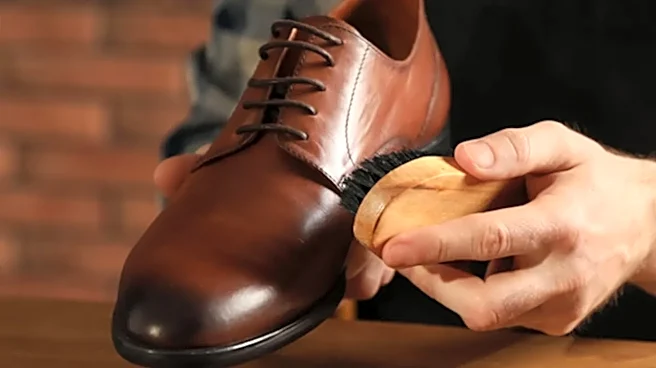
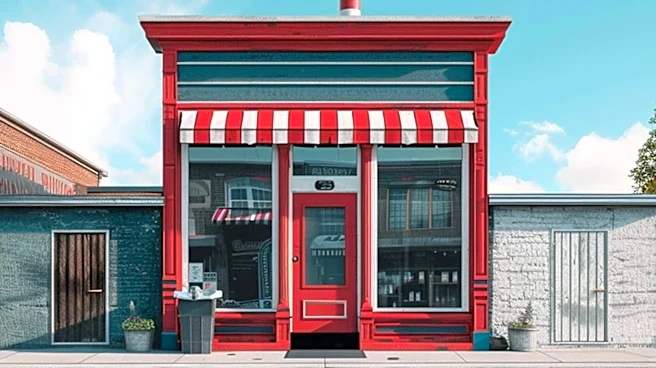
This consumer shift is a direct economic stimulus for the shoe repair industry, a sector that has seen modest but steady growth. The global market for footwear repair services is projected to grow, reflecting a clear trend toward extending the life of products. For cobblers, the focus on high-quality footwear means more rewarding and profitable work. Repairing a Goodyear-welted boot is a complex task that requires a different level of skill than simply gluing a sole back on a sneaker. These specialists aren't just menders; they are craftspeople preserving an item their customer values. This revival of interest in traditional trades helps keep essential skills alive, skills that are often passed down through generations and are at risk of disappearing. Supporting a local cobbler becomes a way to invest in community craftsmanship and preserve a heritage trade.
More Than a Transaction: A Relationship with Craft
The relationship between a customer and their trusted cobbler goes beyond a simple service transaction. When you hand over a favorite pair of expensive shoes, you're placing trust in the artisan's skill to restore them. This fosters a connection built on appreciation for quality and expertise. Many customers who invest in premium footwear see their shoes as a long-term part of their wardrobe, and the cobbler becomes a key partner in maintaining that investment. This dynamic stands in stark contrast to the anonymous, impersonal nature of mass-market retail. By choosing repair, consumers are not only making a smart financial and environmental decision, but they are also participating in a local economy and championing the value of skilled human labor in an increasingly automated world.