






Forged at Sea, Not on a Runway
The story of the peacoat begins not in a design studio, but on the cold, windswept decks of naval ships. Its origins trace back as early as the 18th century, with most historians crediting the Dutch navy for creating the first version. The name itself
is believed to derive from the Dutch word "pijjekker," which described a jacket made from a coarse, heavy wool fabric called 'pij'. This wasn't a garment designed for aesthetics; it was a piece of essential equipment, engineered to protect sailors from the brutal conditions of life at sea. The British Royal Navy later popularized the design, refining it for their petty officers and solidifying its role as a military staple before it ever crossed into civilian life.
A Masterclass in Functional Design
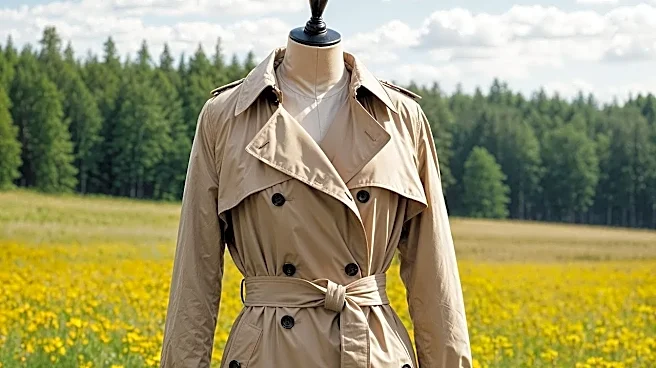
The peacoat’s timeless appeal is a direct result of its purpose-driven design. Every classic feature serves a practical function. The signature double-breasted front provided an extra layer of insulation against wind and could be buttoned in either direction depending on where the wind was coming from. Its heavy Melton wool construction was chosen for its ability to block wind and retain warmth even when damp. The broad, oversized lapels, often called an ulster collar, could be flipped up and buttoned high to shield the neck and face from sea spray. Even the length was deliberate—cut short at the hip to allow sailors the freedom of movement needed for climbing rigging and maneuvering around the deck. The vertical slash pockets were placed for quickly warming cold hands.
From Military Surplus to Cultural Icon
Like many pieces of classic menswear, the peacoat made the leap to civilian life through military surplus stores after World War II. Its affordability, durability, and rugged good looks made it a natural fit for a generation transitioning back to peacetime. It soon became a symbol of a certain quiet, masculine coolness, adopted by everyone from Ivy League students to counter-culture rebels like Bob Dylan and James Dean. Its appearance in film cemented its iconic status. Robert Redford’s character in "Three Days of the Condor" (1975) gave the coat an intellectual, anti-hero edge, while stars like Steve McQueen and even James Bond have worn versions on screen, each adding to its mystique.
Why It Still Works Today
Trends come and go, often in a matter of months, but the peacoat remains. Its secret is its authenticity. It wasn’t designed to be part of a fleeting look; it was engineered for survival, and that built-in utility gives it a sense of permanence. The classic silhouette is versatile, capable of being dressed up over a suit or down with jeans and a sweater, making it one of the most adaptable pieces of outerwear a person can own. It flatters most body types and projects an image of reliability and understated confidence. In a world of fast fashion, the peacoat stands as a testament to the idea that true style is born from function, not fleeting fancy.