









More Than a Man of Twists and Turns
Homer introduces Odysseus as a “man of twists and turns,” a label that has cemented his reputation as a master of cunning and strategy. And it’s true—his journey is a masterclass in out-thinking his opponents. Yet, when we first meet the hero, he isn’t
mid-stratagem. He’s on the shores of Calypso's island, where he has been held captive for seven years. He isn’t plotting; he is weeping. Day after day, he stares across the sea, his eyes filled with tears, longing for a home he believes he’ll never see again. This is not the portrait of an invincible trickster. It’s the image of a man broken down by years of war followed by an even longer, more soul-crushing journey. The epic might be about his return, but its emotional core is the profound suffering and weariness he endures along the way.
The Grind of the Gods
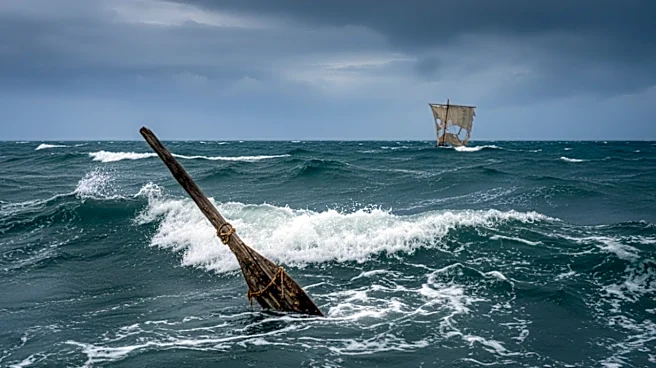
The obstacles Odysseus faces aren’t just a series of heroic tests; they are a relentless, spirit-breaking gauntlet. After finally leaving Calypso, a vengeful Poseidon shatters his raft, forcing him to swim for his life until he washes ashore, battered and near death. His journey is defined by this pattern: brief moments of hope swallowed by overwhelming despair. He loses his entire crew, not in a single heroic battle, but in a slow, agonizing trickle—to monsters, to storms, to their own recklessness. These aren't just plot points; they are accumulated traumas. Even his stay with the beautiful nymph Calypso, who offers him immortality, becomes a gilded cage. He rejects eternal, painless life because a life without struggle, without the hope of returning to his mortal family, is meaningless. His grief isn’t just homesickness; it’s the pain of a soul worn thin by endless, arbitrary suffering.
An Archetype for Burnout
Reading Odysseus through a modern lens reveals a character who looks startlingly like an archetype for burnout. His suffering is not the clean, noble pain of a battlefield wound. It’s the grinding, psychological toll of being perpetually overwhelmed. Some scholars even apply modern psychological concepts like “learned helplessness” to his time on Calypso's island, where he’s trapped in a state of powerlessness. Unlike other heroes of Greek myth, whose greatness is often defined by their strength or divine parentage, Odysseus’s defining trait becomes his capacity to endure—his epithet “polytlas” means “much-enduring” or “much-suffering.” He is heroic not because he is immune to pain, but because he keeps going when every part of him wants to give up. This isn't the heroism of invincibility, but the much more human heroism of perseverance.
A Heroism Defined by Scars
When Odysseus finally returns to Ithaca, he isn’t the same man who left. He is cloaked in rags, physically and emotionally scarred by his two-decade absence. His triumph is not a glorious, fanfare-filled return, but a bloody, hard-won reclamation of his home that requires him to rely on his wits one last time. He has to endure the taunts of the suitors in his own hall, a final test of his battered patience. This reframing suggests that true heroism isn't about avoiding the fall, but about the will to get up after being knocked down again and again. It’s about the quiet courage required to face one more day when you are physically and spiritually spent. In a world that often feels relentless, the exhausted hero who simply keeps going might be the most relevant hero of all. His victory is not just in reclaiming his throne, but in surviving his own story.