






The Suit as a Storyteller
Forget the scouting report. The first thing millions of viewers see is the suit. And in today’s NBA, that outfit is a meticulously crafted visual statement. It’s the player’s first opportunity to control their own narrative on a national stage. A well-chosen
ensemble can communicate personality, heritage, confidence, and ambition before a single question is answered. Take Victor Wembanyama, the most-hyped prospect since LeBron James. He walked the red carpet in a deep green Louis Vuitton suit, a subtle nod to his otherworldly “alien” nickname. It was elegant, unusual, and perfectly aligned with the unique brand he was already building. Similarly, players often use custom jacket linings to tell a story—sewing in photos of family, hometown skylines, or symbols of their journey. It transforms a piece of clothing into a wearable biography, giving commentators and fans an immediate talking point that goes beyond points per game.
From Athlete to Global Asset
Draft night isn’t just about joining a team; it’s about becoming a business. The moment a player is drafted, they become a marketable asset, and their fashion is their first pitch to potential sponsors. A sharp, memorable look signals that a player understands the importance of image and professionalism. It says they are ready not just for the league, but for the lucrative world of endorsements that comes with it. Luxury fashion houses, sneaker giants like Nike and Adidas, and lifestyle brands are all watching. A player who shows up looking like a star is more likely to be treated like one. Shai Gilgeous-Alexander, now one of the NBA’s preeminent style icons, laid the groundwork on his draft night in 2018 with a shimmering, floral-print suit. It was a bold declaration that he was more than just a point guard; he was a personality and a future tastemaker. That first impression has paid dividends, leading to high-fashion partnerships and a reputation that transcends his on-court performance.
The Evolution from Baggy to Bespoke
It wasn’t always this way. Look back at draft photos from the 1990s and early 2000s, and you’ll find a sea of notoriously oversized, often ill-fitting suits. Think Jalen Rose’s iconic red pinstripe number from the 1994 draft—a look that perfectly captured the baggy, hip-hop-influenced aesthetic of its time but would look completely out of place today. These outfits were more a reflection of mainstream trends than calculated brand strategy. The turning point can be traced to 2003, when LeBron James arrived in an all-white, double-breasted suit. It was bold, clean, and screamed “I am the future.” While still generously cut by today’s standards, it signaled a shift. Players were beginning to understand the power of a bespoke statement. In the two decades since, as player empowerment and social media have exploded, that understanding has sharpened into a science.
The Modern Draft-Night Playbook
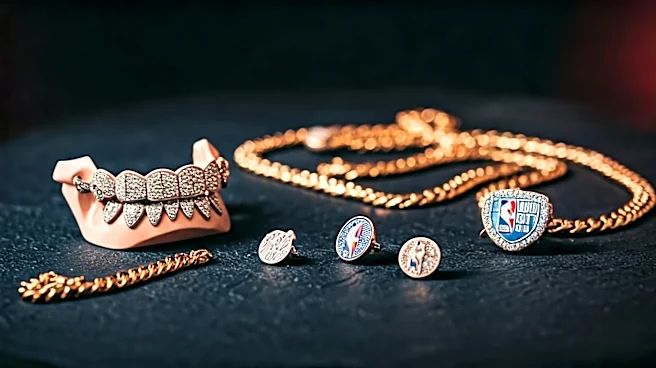
Today, preparing for the draft involves more than just workouts and interviews; it often includes consulting with high-end stylists. These professionals help players craft a look that is authentic to them while also being commercially savvy. The goal is to stand out without being a punchline. For every successful, fashion-forward statement, there’s a cautionary tale of an outfit that went viral for all the wrong reasons (looking at you, Joakim Noah’s seersucker suit in 2007). The modern playbook is about balance: expressing individuality through unique colors, fabrics, and accessories (like custom jewelry or rare sneakers) while maintaining a level of polish that appeals to global brands. Players are creating a brand mood board with their first outfit. Is it classic and timeless like a Tom Ford suit, or avant-garde and daring like something from an emerging designer? That choice sets the tone for their entire professional career off the court.