

From Courtside to Catwalk
The relationship between American athletes and fashion isn't new, but it has fundamentally changed. The seeds were planted decades ago with figures like Michael Jordan, whose partnership with Nike in 1984 did more than just sell shoes; it created a cultural
phenomenon. The Air Jordan line proved that an athlete's brand could transcend their sport and become a status symbol in its own right. In the '90s and early 2000s, players like Allen Iverson brought hip-hop and street culture to the NBA, further blurring the lines between sportswear and everyday style. These pioneers laid the groundwork, demonstrating that what an athlete wore could generate as much buzz as their performance on the court.
The Tunnel Is the New Runway
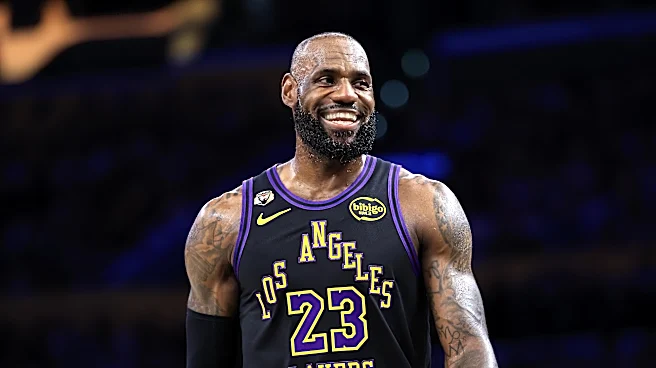
In the modern era, no single phenomenon highlights the fusion of sports and fashion better than the 'tunnel walk.' What used to be a mundane commute is now a globally watched spectacle, especially in the NBA and WNBA. Players use this moment to showcase their personal style, debuting everything from bespoke suits to avant-garde streetwear. This ritual has become so significant that dedicated social media accounts documenting these looks have amassed millions of followers, effectively turning routine arrivals into major fashion events. Leagues have leaned into this, with the NFL even appointing its first-ever fashion editor, Kyle Smith, to help coordinate and elevate player style at major events. This formal recognition shows that the tunnel is no longer just a corridor; it’s a strategic platform for personal branding.
The Power Players Behind the Scenes
This explosion of athletic style isn't happening in a vacuum. A growing class of elite stylists now specializes in working with athletes, acting as the 'hidden influence' that shapes these public-facing brands. Stylists like Brittany Hampton and Olivier Rogers work closely with stars across the WNBA, NBA, and NFL, doing far more than just picking out clothes. They act as creative consultants, helping athletes translate their personalities and stories into a cohesive visual identity. These professionals manage logistics, build relationships with luxury brands, and educate their clients on fashion, empowering them to take an active role in crafting their image. Their work ensures that an outfit is not just an outfit, but a statement of intent.
Beyond the Endorsement to Full Ownership
The nature of athlete-brand relationships has also matured. While traditional endorsement deals are still prevalent, the dynamic has shifted towards more authentic collaborations and even athlete-owned brands. Instead of simply being paid to wear a logo, athletes are co-creating collections with high-fashion houses like Louis Vuitton and Dior, lending their credibility and massive reach to legacy brands. This evolution signifies a transfer of power. Athletes are no longer just marketing vehicles; they are creative partners and entrepreneurs. Figures like Cristiano Ronaldo with his CR7 empire and Serena Williams with her own fashion line exemplify this trend, moving from endorser to owner and building brands that have equity long after their playing careers end.
The Social Media Multiplier Effect
Social media has been the ultimate catalyst, allowing athletes to become their own media powerhouses. Platforms like Instagram and TikTok give them a direct, unfiltered channel to their fans, bypassing traditional gatekeepers of fashion media. A single post can turn an outfit into a viral trend, driving demand and shaping consumer behavior instantly. This direct-to-audience model gives athletes complete control over their narrative and amplifies their influence exponentially. They can share behind-the-scenes content, engage directly with fans about their style choices, and build a personal brand that feels authentic and accessible. In this digital arena, every athlete with a smartphone has the potential to become a global style leader.