







The Gold Standard of Being Seen
In American sports culture, nothing says 'I've made it' quite like sitting courtside at a high-stakes NBA game. It’s less about the unparalleled view and more about participating in the spectacle. You're close enough to hear the trash talk, see the sweat,
and potentially end up in a celebrity's social media post. From Jack Nicholson at Lakers games to Drake's antics in Toronto, courtside seats are a stage. They are a declaration of status that is meant to be public. Teams and leagues cultivate this environment, offering invitations to A-listers to generate buzz and create viral moments. It's a symbiotic relationship where fame fuels the game's cultural relevance, and the game provides a backdrop for celebrity. This is the world of 'Celebrity Row,' an exclusive club where your presence is part of the entertainment.
Soccer’s Answer: The Private Kingdom
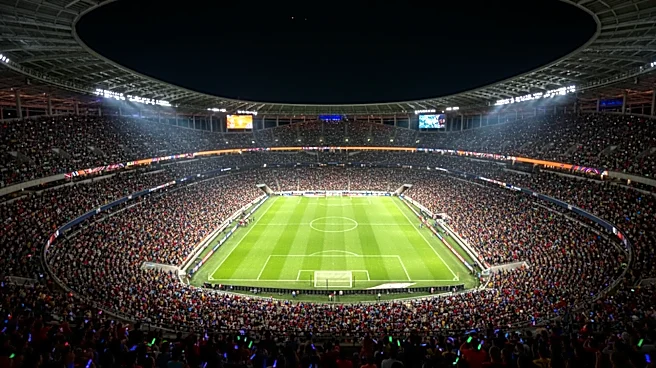
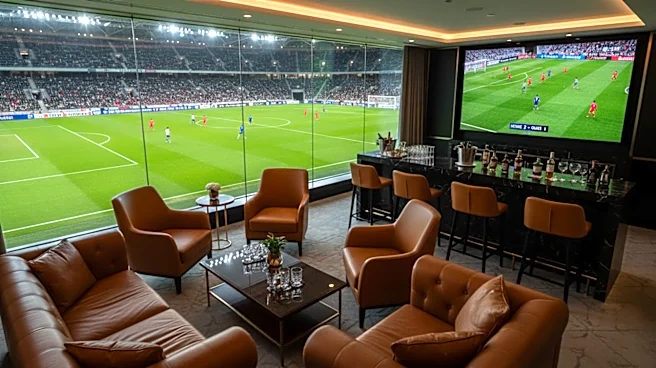
The premium experience being built around the 2026 FIFA World Cup in North America offers a different, but equally potent, form of status. Instead of the public performance of a courtside seat, the pinnacle of soccer hospitality is the private suite. These climate-controlled boxes, perched high above the pitch, offer panoramic views, gourmet catering, private bars, and a dedicated staff. The appeal isn’t about being seen by the masses; it’s about not being bothered by them. This is a sanctuary for corporate giants, high-net-worth individuals, and those who prioritize privacy and comfort over public visibility. While the NBA courtside experience is about inserting yourself into the action, the World Cup suite is about owning a secluded, luxurious piece of the biggest sporting event on the planet.
A Tale of Two Philosophies
The difference between these two premium experiences highlights a fascinating cultural divide. NBA courtside is fundamentally about proximity and public display. Soccer suites are about exclusivity and private enjoyment. One is a front-row seat to the culture; the other is a VIP box above it. This reflects a strategic decision by FIFA and its hospitality partners to cater to the massive corporate budgets and discerning ultra-wealthy fans that now define the top end of the American sports market. It’s a model borrowed more from the NFL, with its emphasis on corporate suites, than the celebrity-driven NBA. The target customer isn't necessarily a movie star looking for camera time, but a CEO entertaining clients or a family seeking a seamless, five-star experience from arrival to departure.
The Staggering Price of Prestige
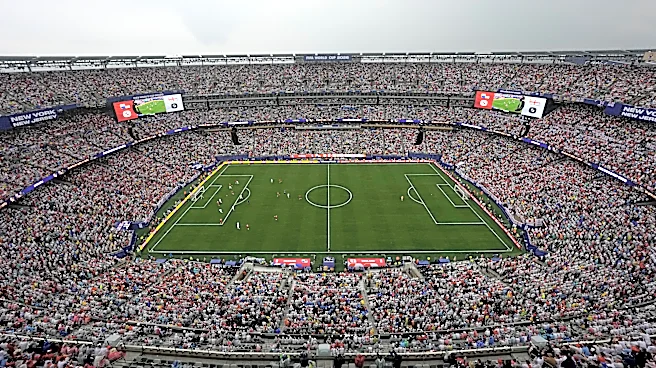
Both experiences come with astronomical price tags that reinforce their exclusivity. A single top-tier courtside seat for the NBA Finals can run into the tens of thousands of dollars. But the World Cup hospitality packages operate on another level entirely. Official hospitality packages for the 2026 tournament start around $2,500 for a single group stage match and can soar dramatically from there. Multi-game suite packages for desirable venues can cost hundreds of thousands of dollars, while top-tier venue series packages for the final in New Jersey can reach up to $73,200 per person. Some ticketing sites list individual suite options for the semi-finals or final for well over $20,000 per seat, demonstrating a market where demand far outstrips the limited supply. This isn't just buying a ticket; it's an investment in a world-class luxury experience.
A New Chapter for American Soccer
The rise of the six-figure soccer suite is more than just a new way to watch a game. It's a powerful signal that soccer has finally arrived as a commercial heavyweight in the United States, competing directly with the NFL and NBA for the most affluent consumers. The strategy is clear: position the World Cup not just as a sporting event, but as the premier global gathering for business and luxury lifestyle. Even more audacious offerings, like on-pitch couch seating for the final, are being introduced to create an unprecedented level of access. While courtside seats made basketball the coolest game in town, the opulent, private suite is making soccer the most powerful. It’s the Americanization of the global game's business model, proving that in the U.S. market, the ultimate luxury is no longer just being seen, but being exclusively served.