





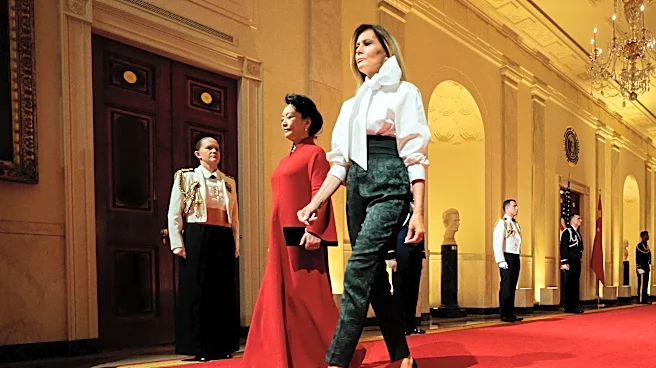
Crepe: The Modern Sculptor
Think of crepe as the architect of the fabric world. Its job is to create clean lines and a sophisticated silhouette with understated confidence. Defined by its slightly crinkled or pebbled texture, crepe has a matte finish that absorbs light rather than
reflecting it. This makes it incredibly flattering in photographs, as it shows off the shape of the garment without creating distracting glare. Crepe’s magic lies in its drape—it’s fluid and moves beautifully, but has enough weight and structure to skim the body and hold a line. This quality makes it a favorite for minimalist gowns, tailored sheaths, and modern fit-and-flare styles where the cut is the star of the show. It offers elegance without stiffness, providing a polished look that is also surprisingly comfortable and wrinkle-resistant, making it a reliable choice for long events.
Satin: The Old Hollywood Showstopper
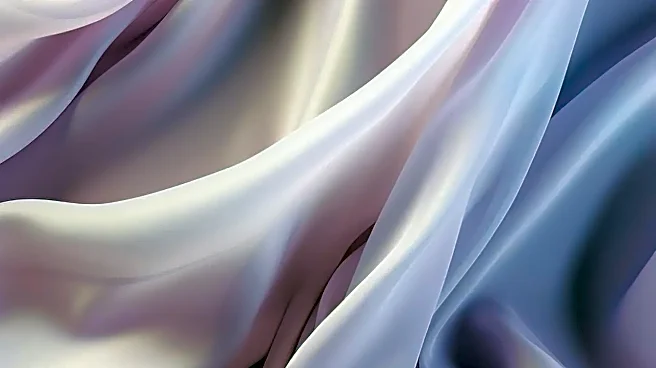
If crepe is the architect, satin is the movie star. Its primary job is to deliver glamour, luxury, and drama. What defines satin is not the fiber it's made from but its unique weave, which creates a smooth, highly lustrous surface on one side and a dull back. This glossy face catches the light with a liquid-like effect, giving it an inherently formal and opulent feel. Satin is the go-to for creating classic, show-stopping gowns. Its fluid drape can either cling seductively to the body in a slinky slip dress or, in heavier weights like duchess satin, provide the structure needed for grand ball gowns and dramatic A-line skirts. While its sheen is undeniably beautiful, it can be tricky to photograph with a direct flash. However, for pure, unadulterated elegance and a fabric that feels as luxurious as it looks, nothing makes an entrance quite like satin.
Organza: The Ethereal Dream-Weaver
Organza’s role is to create volume, texture, and a sense of romance without adding weight. It’s a sheer, lightweight fabric known for its crisp, almost wiry texture. Unlike softer sheers like chiffon that float and fall, organza holds its shape, allowing it to be crafted into structured ruffles, voluminous sleeves, and full, airy skirts that seem to defy gravity. Despite its delicate and transparent appearance, organza is surprisingly strong. This strength makes it ideal for use as an overlay, adding dimension and a subtle shimmer to a gown without obscuring the fabric underneath. It’s the fabric of modern fairy tales and high-fashion fantasy, used to build dreamy, sculptural silhouettes. Whether used for an entire ball gown or a simple, structured bow, organza’s job is to add a touch of magic and ethereal structure to an evening look.