



The Ghost in the Garment
The magic of the 'Haunted Dressmaker' costume is its storytelling. Instead of portraying a finished character, you become the lingering spirit of the person who made it. This isn't just a costume; it's a mood. The concept revolves around a dressmaker
or seamstress from a bygone era, whose presence is felt through the very items she used to create. It’s a clever inversion of the typical ghost costume, focusing on the ethereal, unfinished nature of a creator’s work. You are not just a specter, but a specter with a purpose, forever measuring, cutting, and stitching a garment that can never be completed. The beauty lies in its subtlety and the narrative it weaves without saying a word, making it one of the most intellectually satisfying costumes for any Halloween gathering.
An Anchor from the Past
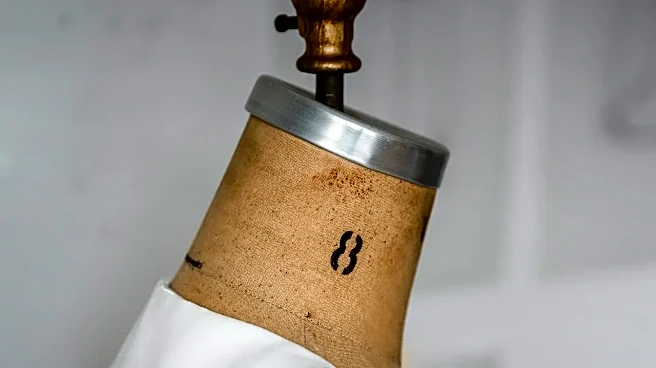
Every great ghost story needs an anchor to the real world, and for this costume, it’s an old bodice. This isn't the place for a new, pristine garment. The ideal foundation is something with a sense of history—a vintage corset, a worn dress form top, or even a simple, antique-style blouse sourced from a thrift store or an ancestor’s trunk. The fabric should feel authentic, perhaps slightly faded or yellowed with age. This piece serves as the costume's soul. It grounds the ethereal elements and provides the canvas upon which the ghostly tale is told. Its structure provides a silhouette from another time, immediately signaling that you are a visitor from the past, while its aged quality hints at the long years you’ve spent haunting your sewing room.
Weaving the Spirit
Thread is central to the illusion, but not for sewing. Here, thread is used to create a sense of spectral energy and motion. Long strands of white or black thread should hang from the bodice, the shoulders, and the hands, as if you’ve just pulled them from a spool. Some threads might be attached to needles stuck into a pincushion on your wrist, with a few seemingly floating in mid-air, held by fine, nearly invisible filament line. The effect is one of arrested motion—a stitch that was interrupted and now hangs in limbo for eternity. This visual chaos suggests a frantic, passionate creator, but its silent, dangling state gives it a profoundly melancholic and ghostly feel. It’s a brilliant use of a simple material to create texture, depth, and a dynamic sense of the supernatural.
The Dressmaker's Mark
The final stroke of genius is the chalk. A dressmaker's chalk is used to draw temporary guidelines on fabric—seams, darts, and hemlines that are meant to be sewn over and eventually disappear. On this costume, those marks become permanent ghostly blueprints. Faint white or blue chalk lines should be drawn directly onto the bodice and any associated fabric, like a tattered skirt. These lines can outline the shape of a pocket that doesn't exist, a collar that was never attached, or a seam that was never stitched. They are the ghostly remnants of a design, the architectural plans of a garment that will never be whole. This detail transforms the costume from a collection of old items into a piece of narrative art, showing the ghost’s eternal, frustrating task.