


In the world of animated Thanksgiving specials, the path to the dinner table is paved with chaos. A turkey talks back, a meal is rejected, a food fight erupts. But why is the feast itself so often the central source of conflict?
The Pressure Cooker of Perfection
The Thanksgiving meal,
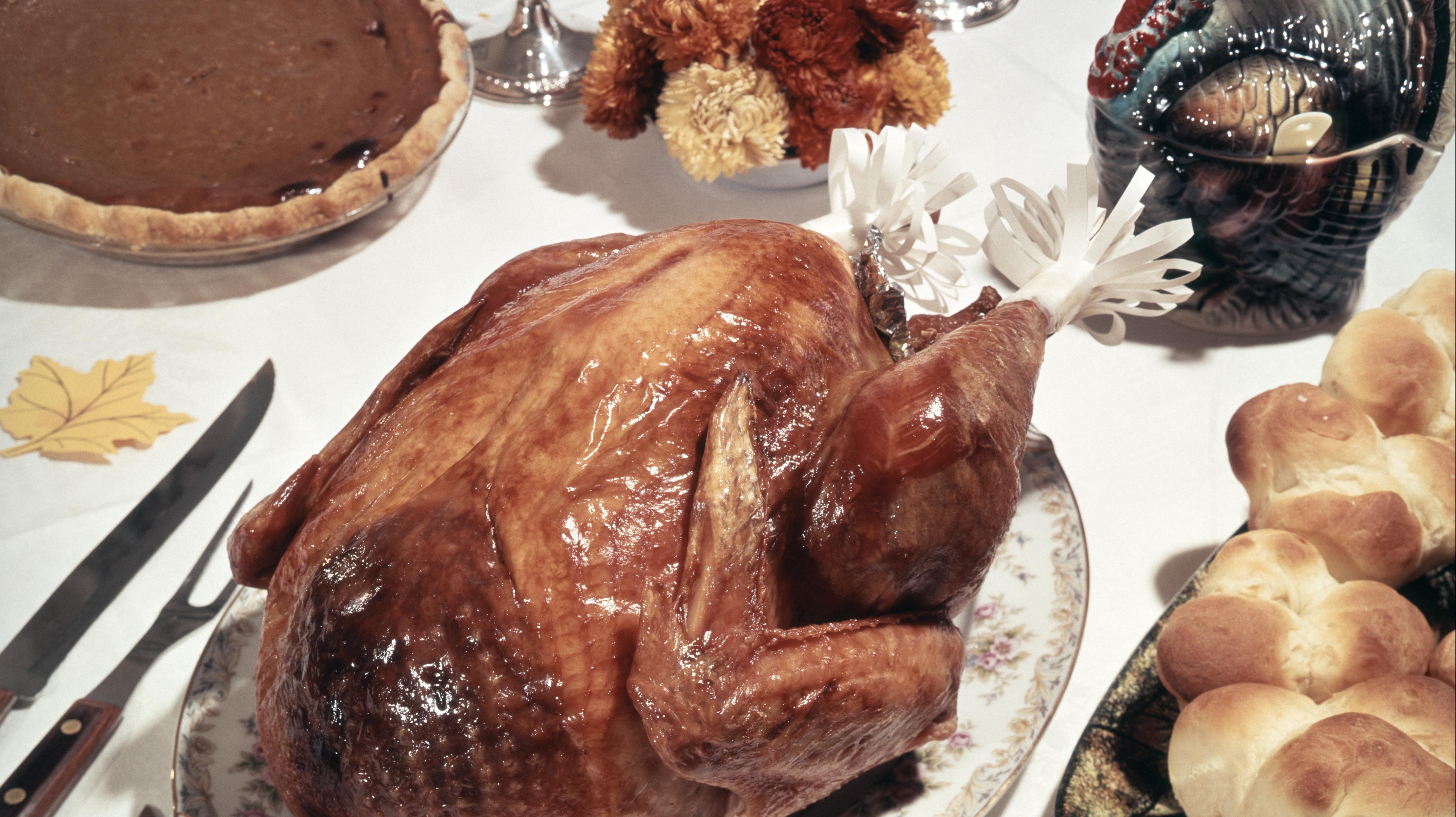
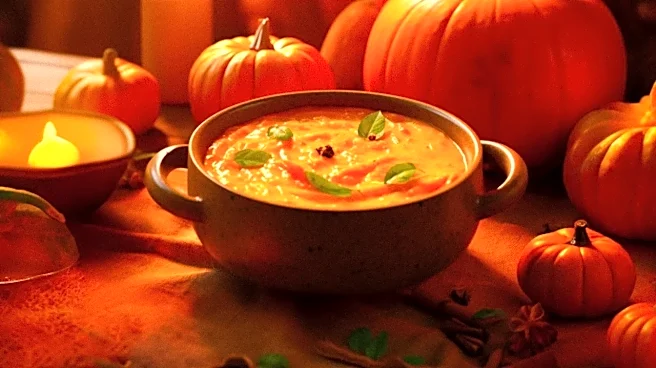
as depicted in countless stories, is the centerpiece of the holiday—a symbol of abundance, togetherness, and tradition. In animation, this ideal is often pushed to its comical extreme. The pressure to produce a flawless, Norman Rockwell-esque feast becomes a narrative pressure cooker. In 'A Charlie Brown Thanksgiving', our hapless hero is wracked with anxiety when Peppermint Patty invites herself and all their friends over, forcing him to host a dinner he is completely unprepared for. This conflict isn't just about a lack of culinary skill; it's about the overwhelming weight of expectation. The meal represents the holiday's success or failure. When things go wrong with the food—as they inevitably do—it’s a stand-in for the broader anxieties of hosting and the sometimes-impossible goal of a perfect family gathering.
A Rebellion at the Kids' Table
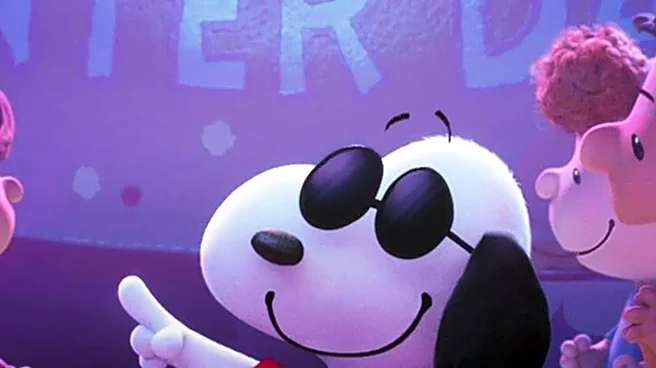
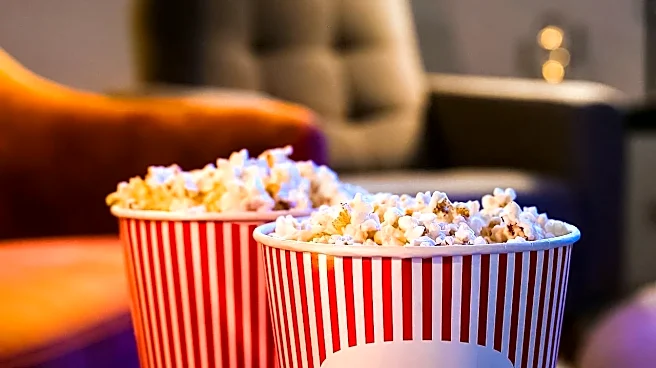
Often, the food conflict is a proxy war between generations. 'A Charlie Brown Thanksgiving' provides the quintessential example. When Snoopy serves up buttered toast, popcorn, pretzels, and jelly beans, Peppermint Patty is aghast. “Where's the turkey, Chuck?” she demands, listing off all the traditional foods that are missing. Her outrage represents the adult world's expectations of what Thanksgiving 'should' be. But the meal itself—a collection of kid-friendly snacks—is a perfect representation of a child's logic. The conflict isn't truly about the menu; it's about the kids creating their own version of the holiday, free from rigid adult rules. The eventual resolution, where Marcie gently reminds Patty that she invited herself, underscores the theme: gratitude and friendship matter more than a specific menu.
When the Main Course Fights Back
In some of the most direct food-related conflicts, the meal itself becomes a character with a cause. The 2013 film 'Free Birds' takes this to its logical conclusion, featuring two turkeys who travel back in time to the first Thanksgiving to get their species off the menu entirely. Here, the food isn’t just a source of social anxiety; it's a sentient participant in a fight for survival. This trope, also seen in shows like 'Animaniacs' where the Warners protect a turkey from a hunter, allows creators to playfully engage with the more complicated and uncomfortable aspects of the holiday's history and traditions. By giving the turkey a voice and a goal, these stories subvert the entire premise of the meal, turning a passive dish into an active hero and forcing a lighthearted confrontation with the question of who—and what—we celebrate.
The Simplest Visual Gag
Sometimes, the simplest answer is the most accurate. A food fight is just plain funny. Animation is a visual medium, and there are few things more visually dynamic and comically chaotic than a full-scale dinner table disaster. In 'The Simpsons' episode 'Bart vs. Thanksgiving', the central conflict ignites when Bart accidentally throws Lisa’s handcrafted centerpiece into the fireplace during a squabble over where the turkey should go. The ensuing drama tears the family apart before they ultimately reconcile over leftovers. This kind of conflict provides a perfect setup for slapstick, exaggerated expressions, and a satisfyingly messy release of all the built-up holiday tension. The food becomes a weapon in a low-stakes, high-comedy battle, allowing characters to express their frustrations in a way that’s ultimately harmless and entertaining for the audience.