


The Old Guard: Tailoring as Armor
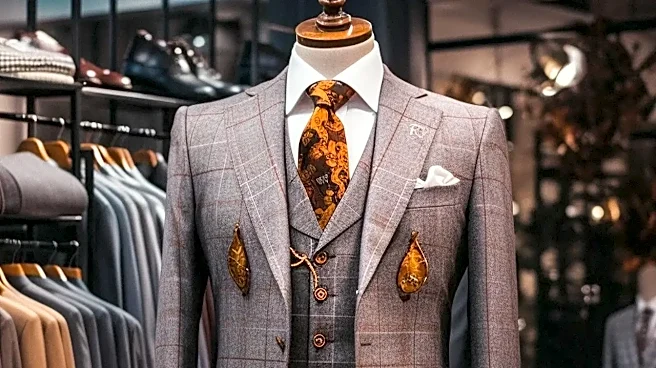
For many Baby Boomers and even older Gen X members, the rules of dress were clear and rigid. A suit was a non-negotiable uniform of professionalism, a signal of respect for the workplace and the occasion. This generation entered a workforce where conformity
was key and formal attire was equated with discipline and ambition. In this world, sneakers had a distinct purpose: athletics or weekend leisure. Pairing them with a suit wasn't just a style misstep; it could be seen as a sign of sloppiness or a lack of seriousness. The suit was armor for the corporate world, and dress shoes were part of that polished, impenetrable facade. The idea of intentionally dressing down was foreign, as dressing up was how one communicated competence and earned respect.
The Sneaker's Ascent From Court to Catwalk
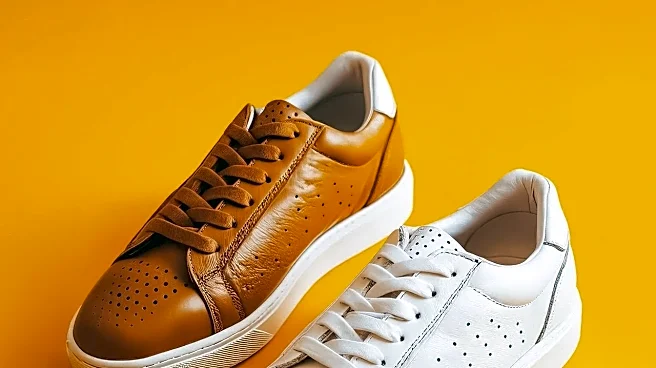
The disagreement over the suit-and-sneaker combo can't be understood without appreciating the sneaker's own dramatic evolution. What started as functional athletic gear underwent a massive cultural transformation. Beginning in the 1980s, hip-hop culture and the meteoric rise of figures like Michael Jordan turned sneakers from sportswear into objects of desire. The Air Jordan 1, famously banned by the NBA, became a symbol of rebellion and cultural cachet, shifting the sneaker's meaning from pure function to high-stakes style statement. By the 2000s, luxury fashion houses began releasing their own high-end sneakers, cementing their place as legitimate designer goods that could rival traditional dress shoes in price and prestige. Today, a rare pair of designer sneakers can be a more potent status symbol than a pair of leather Oxfords, representing cultural fluency, exclusivity, and a modern approach to luxury.
The Bridge Generation: Casual Friday's Long Shadow
Generation X and older Millennials were the first to witness cracks in the formal dress code. They came of age with the rise of Silicon Valley, where tech pioneers in hoodies and jeans challenged the old corporate aesthetic. This era gave birth to "business casual," a concept that permanently blurred the lines between work and weekend wear. While still appreciating a polished look, this generation grew accustomed to a more relaxed environment where strict adherence to formality was no longer the only path to success. This shift created an opening for reinterpretation. If the tie was optional and loafers were acceptable, could sneakers be far behind? Celebrities began testing the waters on red carpets, mixing high fashion with high-tops and signaling a broader cultural shift away from rigid sartorial rules.
The New Guard: Authenticity Over Everything
For Millennials and especially Gen Z, the debate is practically over. Raised in an era of remote work, social media self-expression, and streetwear dominance, younger generations prioritize authenticity, comfort, and individuality. To them, traditional dress codes can seem arbitrary and outdated. Fashion is a tool for personal expression, not corporate conformity. They see a suit not as a sacred uniform but as another item to be styled, deconstructed, and made their own. In their view, professionalism is defined by the quality of one's work, not the formality of one's shoes. Furthermore, in a world where a suit is worn less for daily work and more for specific occasions, it becomes an item for creative expression. For this new guard, wearing sneakers with a suit isn't an act of rebellion—it's just a natural, authentic style choice.