


An Acoustic Ballad Meets a Pyrotechnic Spectacle
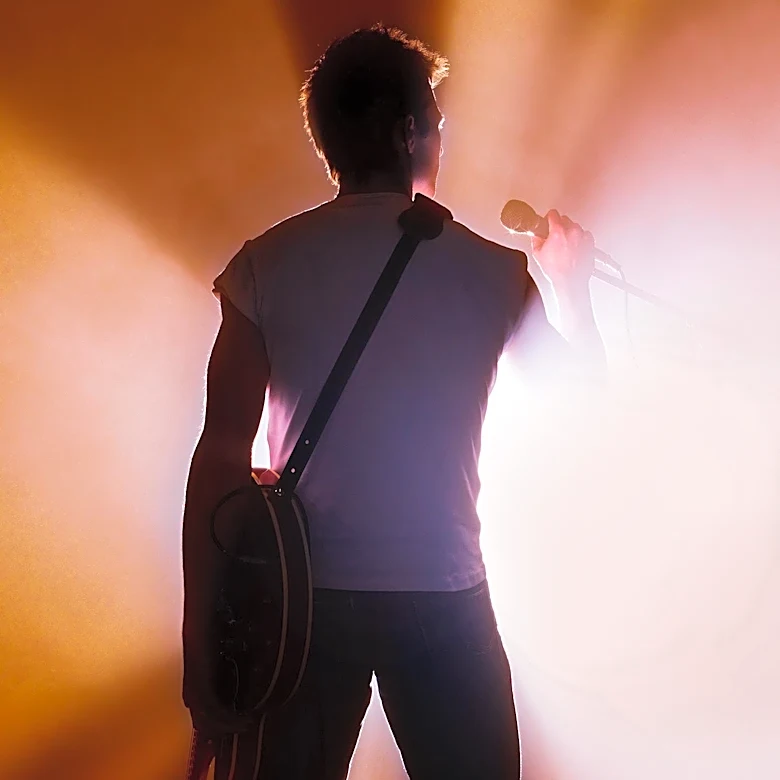
The challenge boils down to two of country's titans, performing back-to-back. The first is a stripped-down, solo acoustic performance by Chris Stapleton. The stage is set for maximum intimacy: a single stool, a vintage microphone, and warm, focused lighting
designed to make the massive Bridgestone Arena feel like a hushed, smoky bar. It's a moment of pure, raw artistry. Immediately following Stapleton's final, fading note, the show must pivot to a full-throttle, stadium-rock anthem from Lainey Wilson. Wilson's performance is the polar opposite, designed for explosive energy. It requires a full band setup with a drum riser, a multi-level stage, a runway extending into the audience, dazzling video wall content, and a climactic blast of pyrotechnics. The contrast is the point, but it creates a massive logistical headache for the production crew.
The 120-Second Transformation
The entire changeover has to happen during a single commercial break, which clocks in at just over two minutes. As soon as Stapleton walks off, a team of dozens of black-clad stagehands, led by the show's stage manager, swarms the floor in what can only be described as choreographed chaos. Every second is accounted for. Stapleton's simple set—the stool, rug, and microphone—is struck and cleared in under 15 seconds. Simultaneously, Wilson's pre-assembled drum riser is rolled into place on locking casters. The front-of-stage runway, already built in sections, is locked into position. While the physical set is assembled, another army of technicians is at work. Audio engineers have to swap dozens of inputs, moving from a single vocal and acoustic guitar channel to a full band with drums, electric guitars, bass, keyboards, and multiple vocal mics. It’s a complete reset of the show’s audio DNA.
A Symphony of Lights, Video, and Sound
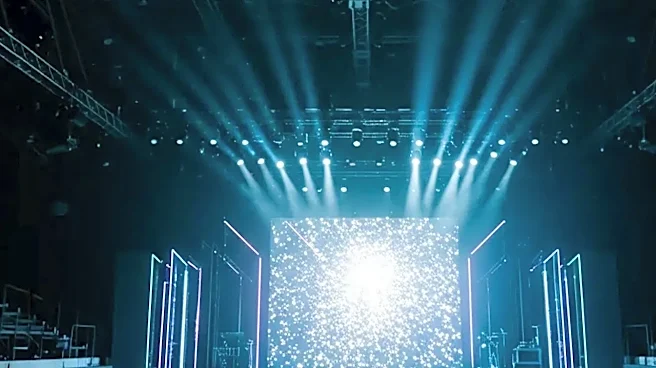
This transition is more than just moving props; it's a complete reprogramming of the arena's sensory environment. The lighting director, working from a meticulously rehearsed cue sheet, shifts the entire lighting rig from the warm, intimate wash used for Stapleton to a dynamic, multi-colored light show for Wilson, involving hundreds of moving fixtures and strobes. The massive LED screens that served as a simple, dark backdrop now burst to life with vibrant, fast-cutting graphics synced to Wilson's track. It's a task that requires perfect synchronization between lighting, video, and audio cues, all called in real-time by the production team. According to CMA Awards executive producer Robert Deaton, the goal is to make these transitions feel magical and effortless to the viewer at home, even though they are the product of months of planning and split-second execution.
The Unsung Heroes of the Night
The artists get the applause, but this pivot is a performance in its own right, executed by professionals who are judged not by the noise they make, but by the seamless silence of their work. The stage manager, production manager, lighting director, and dozens of specialized technicians—from backline and audio engineers to pyrotechnic experts—are the unsung stars of this moment. For them, success is invisibility. If the audience at home has no idea that a full-scale stage transformation just occurred in the time it took to air three commercials, they've done their job perfectly. The move from Stapleton's quiet intensity to Wilson's fiery spectacle isn't just a change in song; it's a testament to the complex, high-pressure world of live television production.