


The Case for Keeping It Open
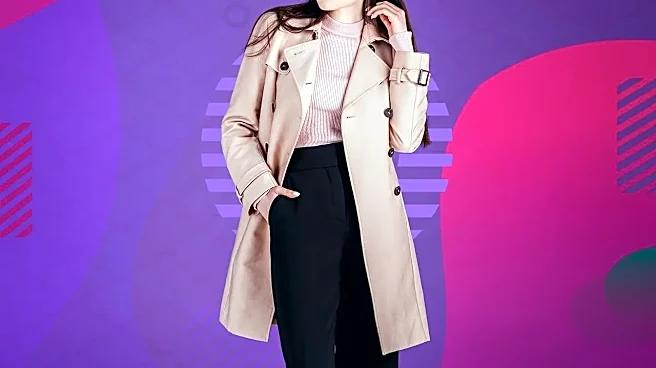
Wearing a jacket open is the easiest way to create long, vertical lines on the body. This clever trick can make you appear taller and leaner. Think of the two edges of the open jacket as parallel lines that draw the eye up and down, effectively elongating
your torso. This is particularly effective if you’re wearing a contrasting color top underneath, which further enhances the vertical effect. An open jacket also projects a more relaxed, approachable vibe. It's perfect for showing off a great shirt, a statement necklace, or a dress underneath that deserves its own moment in the spotlight. For those who carry more weight around their midsection, an open jacket is often the most flattering choice as it avoids any pulling or strain at the buttons and skims over the body.
When to Close It Up
Buttoning your jacket provides structure and definition. For a formal or professional setting, a closed jacket presents a more polished and put-together appearance. A well-tailored blazer buttoned at the waist can create or accentuate an hourglass figure by cinching you in at your narrowest point. This is especially true for jackets with defined waist shaping or those made from structured fabrics. According to traditional etiquette, a man's suit jacket is typically buttoned when standing and unbuttoned when sitting for comfort and to prevent the jacket from pulling. While this rule is more flexible in modern womenswear, the principle of using a closed jacket to create a sharp silhouette remains a powerful styling tool.
Understanding the 'Rule of Thirds'
This principle, borrowed from art and photography, is a game-changer for style. The idea is that an outfit is more visually appealing when it's divided into a 1/3 and 2/3 proportion, rather than being split in half. An open, longer jacket worn over a tucked-in top and pants can perfectly create this effect, with the top and pants making up the 'thirds'. Conversely, a cropped jacket worn closed can serve as the 1/3 element over longer 2/3 pants or a skirt. The open-or-closed decision often comes down to which option best achieves this flattering ratio with the specific pieces you are wearing.
The Jacket Itself Is Key
Not all jackets are created equal. A structured wool blazer is designed to be buttoned and create a sharp shape. A double-breasted jacket, for instance, almost always looks best when closed. On the other hand, a soft, flowing cardigan or a casual bomber jacket may look bulky or awkward when fastened. Their natural drape is part of their appeal, lending themselves to being worn open. The type of fabric, the cut of the shoulders, and the placement of the buttons are all designed with a certain wear-style in mind. Judge the jacket by how it's meant to be worn, not just by how you think it should be.
Let the Outfit Decide
Ultimately, the choice depends heavily on what's underneath. Are you wearing a voluminous dress? An open jacket will keep from adding too much bulk. Are you styling a simple T-shirt and jeans? Closing the blazer can instantly elevate the entire look from casual to chic. If you're wearing wide-leg trousers, an open blazer can help showcase your waist if you have a fitted top tucked in, maintaining a balanced line. When in doubt, consider the focal point. If the jacket is the hero piece, close it up. If it's the layer underneath, leave it open and let that piece shine.