




The Conductor in the Wings
The most important person you’ll never see is the stage manager (SM). They are the air traffic controller for the entire show, living in a world of timelines, headsets, and checklists. Months of secrecy and planning for a three-minute surprise all funnel
down to this one person. The SM’s job is to eliminate surprises for the crew in order to create the perfect surprise for the audience. From the moment the guest artist arrives at a secret entrance, they are the SM’s responsibility. Their every move—from a secure green room, to a holding position in the dark wings of the stage—is tracked and communicated. The SM holds what's called the 'prompt book' or 'show bible,' a master document containing every single light change, sound effect, and movement, and the surprise guest's entire sequence is a highly classified new chapter.
The Language of Comms
The nervous system of any live production is the communication or 'comms' system. This isn't your standard walkie-talkie setup. Production crews use sophisticated, multi-channel intercom systems, often from brands like Clear-Com or Riedel, that allow the stage manager to talk to specific departments without distracting others. The lighting director, audio engineer, video team, and spotlight operators are all on discrete channels. When preparing for a surprise, the chatter is precise and coded. The SM will give a series of 'standby' cues, putting every department on high alert. A standby call goes out about 30 seconds to a minute before the cue, letting the team prepare. The channel is then kept silent, so the final, critical 'GO' command is heard without fail. This verbal command is the trigger that unleashes the coordinated cascade of events the audience experiences as a single, seamless moment.
The Traffic Lights of the Stage
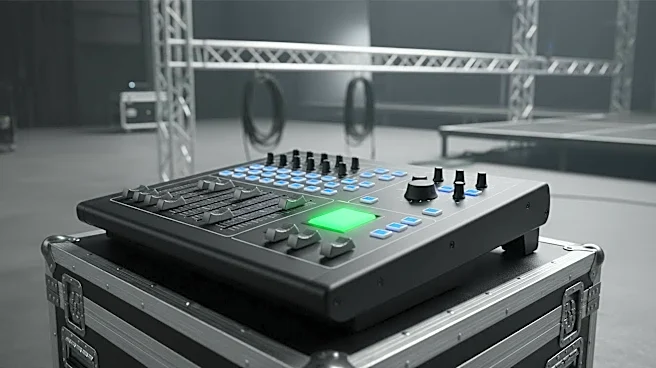
While audio cues are key, many backstage areas are loud or require absolute silence. This is where the cue light system comes in. Think of it as a simple, silent traffic light network connecting the stage manager to everyone from the artist waiting in the wings to the operator of a confetti cannon. These light stations have a series of colored lights, typically red, yellow, and green. A yellow light might signal a 'standby' command, telling the surprise guest to get into their final position. When the stage manager gives the 'GO' command over the headset, they will simultaneously press a button that flashes a green light, giving the artist a clear, unmissable visual signal to walk on stage. This silent system is foolproof and cuts through the noise and chaos, ensuring that even if a headset fails or a crew member is momentarily distracted, the visual cue is impossible to miss.
Anatomy of the Reveal
Let’s walk through the final 60 seconds. The headlining artist is playing the intro to the collaboration song. Backstage, the guest is in position, heart pounding. The stage manager’s calm voice comes over the comms: “Standby guest artist entrance. Standby spot 2 for guest pickup. Standby audio cue 47. Standby video package B.” Instantly, multiple operators confirm their standby status. The SM watches the lead artist for a physical cue or listens for a specific musical bar. At the perfect moment, their voice cuts through again: “Spot 2, Audio 47, Video B… GO.” Simultaneously, a green light flashes in the wings. The guest’s microphone is unmuted, the spotlight finds them, a new camera angle appears on the video screens, and they walk into the light as the crowd loses its mind. Every action is tied to that single 'GO' command, executed with split-second precision.