




1. Narciso Rodriguez for Architectural Purity
If you admire Beene's ability to turn a simple dress into a study in lines and curves, you'll appreciate the work of Narciso Rodriguez. While Beene’s approach often involved bold color and unexpected cutouts, Rodriguez channels a similar architectural
precision into a more minimalist framework. Both designers share a profound respect for the female form, using fabric not to cover it, but to exalt it. Rodriguez, like Beene, is a master of the bias cut, creating clothes that appear deceptively simple yet are the result of intense technical skill. His work is a quieter, more restrained interpretation of the same core idea: that true elegance comes from perfect structure and a deep understanding of how fabric moves with the body.
2. Issey Miyake for Radical Material Innovation
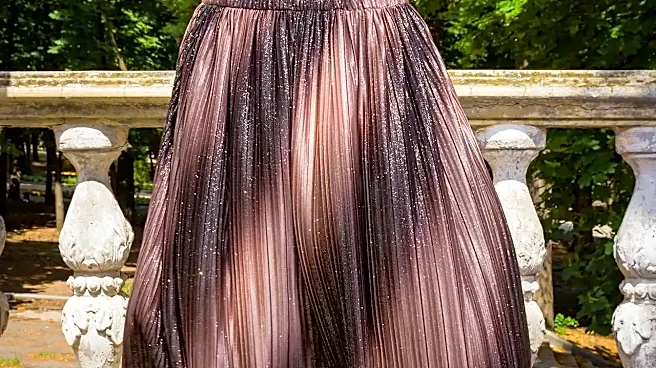
A key part of Beene's genius was his innovative use of everyday fabrics like jersey and flannel, elevating them to high-fashion status. Issey Miyake took this spirit of material science and pushed it into the stratosphere. Miyake's work was a lifelong investigation into the relationship between the body, fabric, and space. His most famous contribution, the Pleats Please line, involved heat-setting pleats into garments after they were constructed—a revolutionary process that created clothes with permanent texture, flexibility, and architectural volume. Later, his A-POC (A Piece of Cloth) concept created garments from a single tube of knit fabric, minimizing waste and rethinking construction itself. For both Beene and Miyake, the fabric wasn't just a medium; it was the source of inspiration and innovation.
3. Duro Olowu for Intellectual Wit and Pattern
Geoffrey Beene was known for a distinct sense of humor and wit, famously incorporating elements like sequined football jersey numbers onto elegant evening dresses. That same spirit of joyful, high-low intelligence lives in the work of Nigerian-born, London-based designer Duro Olowu. Olowu is celebrated for his masterful and unexpected juxtapositions of print, pattern, and texture. Drawing from a vast range of cultural inspirations, from art to music, his collections are a vibrant dialogue of color and form. Where Beene might have used a graphic cutout, Olowu uses a bold collision of patterns. The connection is a shared belief that fashion should be both smart and fun, a feast for the eyes that engages the intellect as much as it delights the senses.
4. Yeohlee Teng for 'Intimate Architecture'
Yeohlee Teng's entire design philosophy is built on an idea Beene would have cherished: that clothing is “intimate architecture.” Her work is defined by its strong geometric lines, functionality, and a focus on zero-waste design—a principle she has practiced since the early 1980s. Like Beene, Teng designs for an active, modern life, creating seasonless, multi-functional pieces that are both elegant and efficient. Her garments are often created from a single piece of fabric, meticulously planned to eliminate waste while creating powerful silhouettes. For Teng, ornament is intrinsic to construction itself. This focus on material, geometry, and purpose over fleeting trends makes her a true philosophical successor to Beene's legacy of practical, powerful design.
5. Rick Owens for Sculptural Draping
At first glance, the gothic, monastic world of Rick Owens might seem far from Beene's refined American sportswear. But look closer at the technique. Both designers are masters of draping, particularly with humble jersey fabric, which they sculpt into something monumental. Owens is renowned for his elongated silhouettes, architectural draping, and asymmetrical cuts that redefine the body's proportions. While Beene’s drapes were often fluid and glamorous, Owens uses drape to create a sense of weight, volume, and controlled energy. He elevates common materials through meticulous construction and a focus on their inherent properties. The connection lies in their shared ability to take a flat piece of fabric and, through sheer technical skill, give it a powerful, sculptural, and almost otherworldly presence.