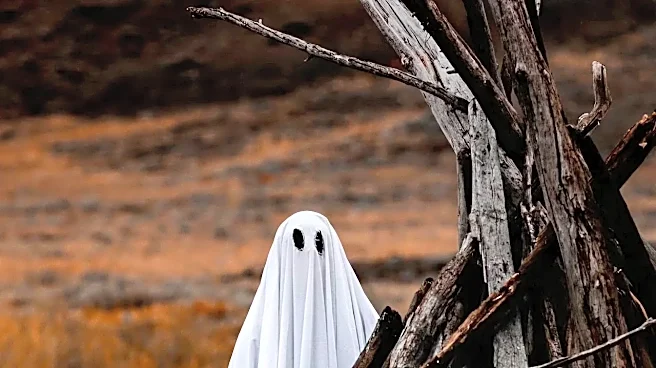


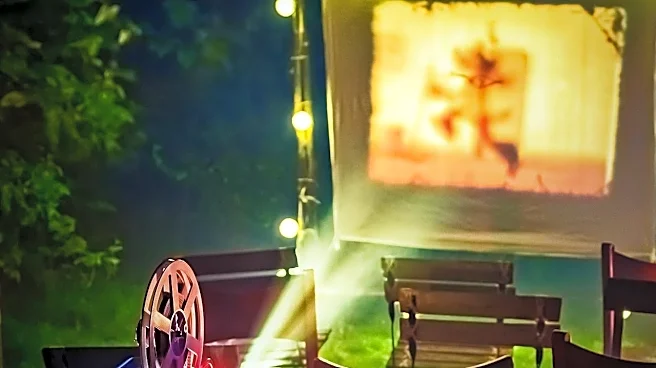

Every October, they're back. Michael Myers, Freddy Krueger, and countless other ghosts and ghouls return to our screens. It feels like a tradition, but it's also big business—a predictable second life for movies that are decades old.
The Cultural Craving for Comfort Scares
First, the obvious:
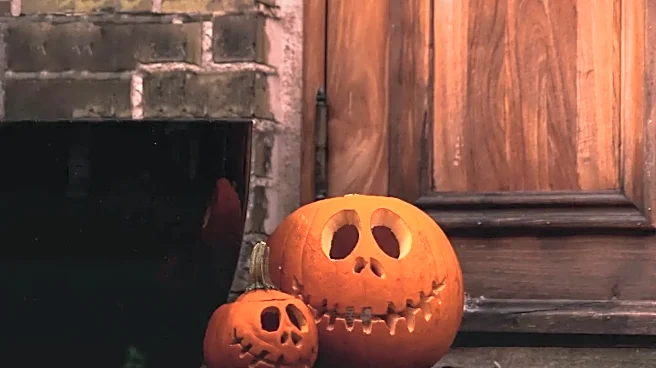
Halloween and horror are a perfect match. The season is culturally primed for us to seek out scares. For many, watching a classic horror movie in October is as much a tradition as carving pumpkins or handing out candy. It’s a ritual. This tradition has deep roots; for centuries, the transition to darker, colder months has been associated with stories of spirits and the supernatural. Modern horror movies tap into this primal space, offering a controlled way to confront our fears. When you re-watch a classic like 'Halloween' or 'A Nightmare on Elm Street', you're not just watching a movie; you're participating in a shared cultural moment. This annual ritual creates a predictable, concentrated demand that studios and distributors can bank on year after year.
The Unbeatable Economics of a Back Catalog
From a business perspective, older horror films are a dream asset. They are reliably profitable, often more so than any other genre. The initial, expensive work of producing and marketing the film is long done. What remains is the film's back catalog value—the ability to re-release and re-license it for a fraction of the original cost. Halloween provides the perfect, low-cost marketing hook. Studios don't need to spend millions convincing people to be in the mood for a scary movie; the calendar does it for them. This makes the return on investment (ROI) for seasonal re-releases incredibly high. A film that might be a niche interest in May becomes a mainstream commodity in October, driving revenue from theatrical re-releases, special edition Blu-rays, and merchandise with minimal new spending.
How Streaming Supercharged the Season
While cable channels like AMC with its 'FearFest' have long programmed horror marathons, streaming services have turned this seasonal spike into a science. Platforms like Netflix ('Netflix & Chills'), Hulu ('Huluween'), and the dedicated horror service Shudder curate extensive Halloween collections that make discovery and binge-watching effortless. These curated hubs aren't just playlists; they are major seasonal marketing events for the platforms themselves. By dedicating prominent homepage real estate and creating themed categories, they guide subscribers toward these older films, ensuring the classics are constantly resurfaced for new generations and nostalgic fans alike. This content strategy keeps users engaged and reinforces the platform's value, all while monetizing films that might otherwise sit dormant.
The Psychology of the Scare
There's also a simple biological reason we come back. Watching a horror movie in the safety of your home provides a 'high' from a controlled fear experience. When a jump scare hits, the brain is flooded with adrenaline, increasing heart rate and alertness. Once the threat passes, the brain releases dopamine, a chemical associated with pleasure and reward, as you realize you were never in real danger. This chemical roller coaster is powerfully compelling. Older, classic horror movies often provide a more 'comfortable' version of this experience. Viewers may already know the plot and the scares, allowing them to enjoy the atmospheric tension and nostalgic thrill without overwhelming anxiety, making it the perfect kind of 'scary' to revisit each year.