



An Atmosphere of Authenticity
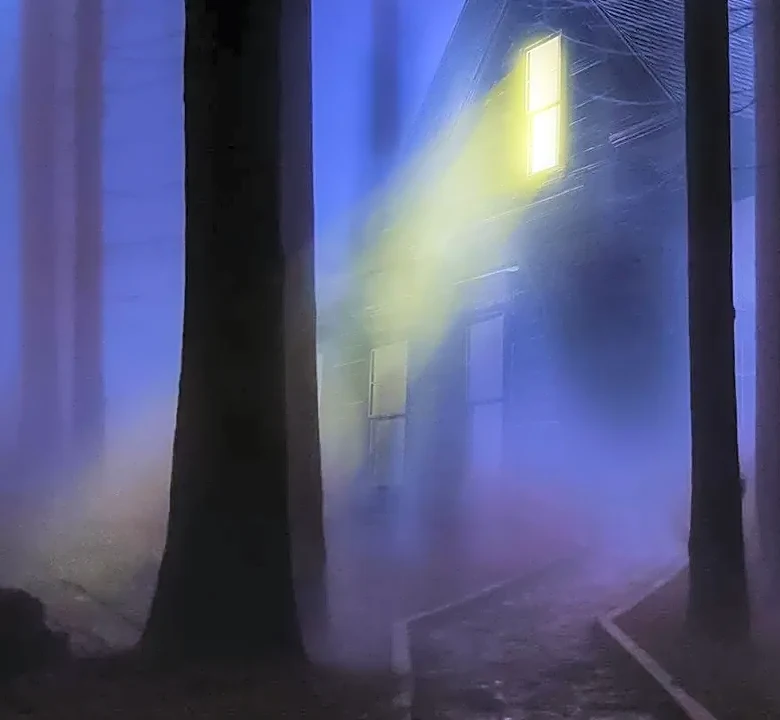
Director Debra Granik was relentless in her pursuit of realism. Instead of building sets, she filmed in the Missouri Ozarks, in real homes and on unforgiving terrain. She cast local residents alongside her professional actors, ensuring that the world
on screen felt less like a movie and more like a documentary. Jennifer Lawrence, who played the 17-year-old protagonist Ree Dolly, spent time with a local family before the shoot, learning the rhythms and realities of their lives. She learned to chop wood and skin squirrels, skills her character would have known innately. This immersive approach, driven by Granik, created an environment where the lines between performance and reality began to blur, fostering a unique and collaborative spirit. The film was shot in just over 25 days, a rapid schedule that intensified the experience.
The Arrival of a Generational Talent
At the center of it all was a then-unknown 19-year-old actress named Jennifer Lawrence. Though she was from Kentucky, she fought hard for the role, even taking a red-eye flight to New York to convince the producers. On set, her talent was immediately obvious. John Hawkes, who played Ree’s terrifying, meth-addicted uncle Teardrop, called her performance “fantastic” and highlighted her intensity. Her portrayal of Ree Dolly—a teenager forced to be the head of her household, navigating a closed and dangerous community to find her missing father—was a quiet storm of resilience and vulnerability. It was a performance free of vanity, built on grit and quiet strength. For many on set, watching her work was a clear sign that they were witnessing the emergence of a major new force in acting.
Art Forged in Hardship
The film’s tiny $2 million budget meant there were no luxuries. The production embraced the harshness of the environment, letting the gray skies and stark landscapes become characters in their own right. Hawkes, who would earn an Oscar nomination for his role, later said it was the kind of project he believed in—a good story told by talented people, which made the dark material worth exploring. The commitment was universal. Dale Dickey, who played the formidable Merab, delivered a chillingly memorable performance that, along with the work from Hawkes and Lawrence, grounded the film in a raw, almost painful-to-watch reality. This wasn't a Hollywood version of poverty; it was a deeply researched, respectful, and unflinching portrait that honored the Daniel Woodrell novel it was based on.
From Sundance to the Academy Awards
The feeling that something special was happening was validated when the film premiered at the 2010 Sundance Film Festival. It won the Grand Jury Prize for a dramatic film, sparking immediate buzz. Lawrence herself cried when she heard the film was accepted into the festival, having expected only a handful of people might ever see it. That summer, Roadside Attractions released the film, and it became an indie hit, grossing over $16 million worldwide. The journey culminated in four Academy Award nominations: Best Supporting Actor for Hawkes, Best Adapted Screenplay, a shocking Best Picture nomination, and, of course, a Best Actress nomination for Jennifer Lawrence. At just 20 years old, she became the second-youngest nominee in the category's history at the time. The film didn't win, but its presence at the ceremony announced the arrival of a new cinematic voice and a future superstar.