
The Ankle-Length Solution
The simplest way to achieve shoe versatility is to embrace ankle-length and cropped pants. These styles are designed to intentionally show a bit of ankle, hitting at or just above the ankle bone. Because they aren't meant to touch your shoes, their length is independent
of your heel height. A slim, straight, or even wide-leg crop will look just as polished with ballet flats or loafers as it does with a pair of kitten heels or low block-heeled pumps. This makes them a foundational piece for a flexible wardrobe, eliminating the hemming dilemma entirely by creating a deliberate gap between the pant and the shoe.
Mastering the Straight-Leg
For a full-length look, straight-leg trousers offer the most forgiveness. The goal is to find a length that creates a minimal 'break'—the slight horizontal fold of fabric that occurs when your pant leg meets your shoe. Ideally, a straight-leg pant hemmed for flats will just graze the top of your foot without puddling. When you switch to a low heel, this same length often works, resulting in a clean line with no break at all. The sweet spot is a hem that hovers about a half-inch from the floor when you're wearing flats. This prevents dragging while still being long enough to avoid looking too short with a modest heel. When in doubt, err on the side of a slightly shorter hem; a pant that's a touch short is modern, while one that's too long looks sloppy.
The Wide-Leg and Flare Dilemma
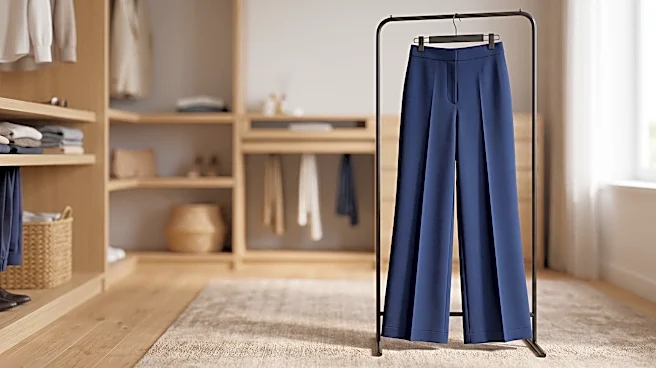
Wide-leg and flared trousers present the biggest challenge because their silhouette demands a longer length to look intentional. A wide-leg pant that works with a two-inch heel will almost certainly drag on the ground when you switch to flats. For these styles, many stylists recommend the 'two-pair rule': if you love a particular style, buy two pairs and have one hemmed for flats and the other for heels. If you must choose one, prioritize the shoe style you wear most often. When hemming for heels, the fabric should almost skim the floor, covering most of the shoe except for the toe. For flats, the hem should sit about a half-inch from the ground to prevent fraying and a sloppy appearance.
Your Tailor Is Your Best Friend
When you're aiming for a compromise length, a skilled tailor is your most valuable asset. The key is to bring both pairs of shoes—your everyday flats and your go-to low heels—to the appointment. Try the pants on with each to find a length that, while not perfect for either, is acceptable for both. The tailor can help you find a middle ground that provides a slight break with flats and a clean, no-break look with your heels. Be clear about your goal. You can say something like, 'I need these to not drag on the floor with my flats, but not look like high-waters with these heels.' This context allows the tailor to pin the hem for maximum versatility.
Quick Fixes for Temporary Hems
If you're not ready to commit to a permanent hem, temporary solutions can be a lifesaver. Double-sided fashion tape is an excellent option for a quick, no-sew adjustment that holds for a day. Simply fold the hem under to your desired length and secure it with a few strips of tape. Iron-on hemming tape offers a more durable, though still reversible, solution. For casual fabrics like denim or chinos, a simple, stylish cuff can also work. A clean, single or double roll can shorten the pant for flats and be undone for heels. While these methods may not be ideal for very formal or delicate fabrics, they provide invaluable flexibility for everyday wear.