
A Calendar of Carnage
The marriage of horror and October wasn't a coincidence; it was a brilliant business decision. For decades, the early fall was considered a box-office dead zone. Summer blockbusters were over, and the prestigious, award-contending films of the holiday
season hadn't arrived yet. Studios needed something to fill the gap. Horror, with its famously loyal fanbase and often modest budgets, was the perfect candidate. Landmark films helped cement this strategy. While horror movies were released year-round, the shocking success of "The Texas Chainsaw Massacre" in October 1974 and John Carpenter's "Halloween" in October 1978 proved the model worked. The latter’s title alone created an unbreakable link between the genre and the holiday. By the 2000s, franchises like "Saw" and "Paranormal Activity" turned October releases into an annual event, training audiences to expect a new installment just as they were carving pumpkins.
The Psychology of a Good Scare
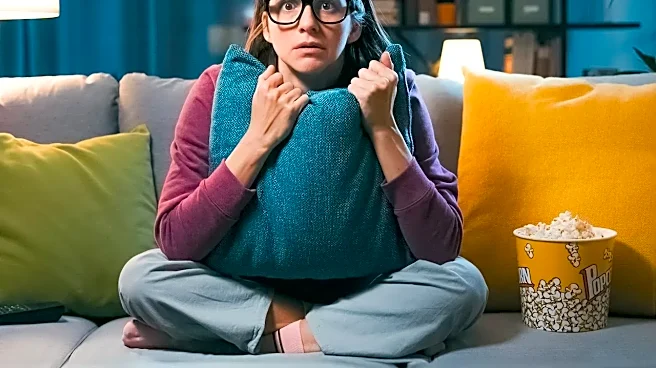
Marketers didn't just find a vacant spot on the calendar; they tapped into a deep psychological need. Halloween is a time when cultural norms are playfully inverted—we celebrate the scary, decorate with death, and reward costumed strangers with candy. This creates a unique atmosphere where audiences are not just willing, but eager, to be frightened. Psychologists refer to this as seeking "safe danger." Watching a horror movie provides an adrenaline rush and a cathartic release of pent-up emotions like anxiety, but in a controlled environment where no real harm can occur. For many, it's a way to confront and process fear, leaving the theater with a sense of relief and accomplishment. Studios understand this priming effect; when people are already thinking about spooky things, they are more receptive to marketing that promises a terrifyingly good time.
The 'Spooky Season' Economy
In the age of social media, the phenomenon has ballooned beyond just movie premieres into the all-encompassing concept of "spooky season." The marketing is no longer just about a single film; it's about an entire aesthetic and lifestyle that lasts for weeks. Halloween is now a multi-billion dollar industry, with spending on costumes, decorations, and candy reaching staggering heights annually. Horror entertainment is the engine driving much of this commerce. A successful horror film or series can spawn merchandise, licensed costumes, and theme park attractions. This synergy works both ways. The cultural ubiquity of Halloween, with shoppers starting to buy decorations and plan costumes as early as August, primes the market for horror-related content long before October 31st. Even brands not directly related to horror get in on the action, using spooky themes to stay relevant.
From Trailers to TikToks
Horror marketing has always been innovative, from the infamous campaign for "The Blair Witch Project" that convinced audiences the footage was real, to the title-free posters for "Cloverfield" that sparked viral speculation. Today, that spirit lives on through social media. Studios now use interactive websites, alternate reality games (ARGs), and targeted digital ads on platforms like Reddit and TikTok to build communities and generate buzz. The goal is to make the marketing an extension of the story itself, blurring the lines between fiction and reality. This digital word-of-mouth is incredibly powerful for a genre that thrives on communal experience and shared reactions. A terrifying clip or a clever meme can turn a low-budget film into a must-see event, ensuring that even as media consumption habits change, horror's grip on October only gets tighter.