




The Monochromatic Masterpiece
There is no discussing extreme VMA fashion without paying homage to Lil' Kim's 1999 lavender jumpsuit. The single-shoulder creation, complete with a sequined seashell pasty, is iconic on its own. But what elevated it to legend status was the matching
lavender wig. The perfectly coordinated hair transformed the look from a revealing outfit into a cohesive, monochromatic statement. Interestingly, the matching wig was a last-minute accident; the hairstylist over-saturated the dye, but stylist Misa Hylton realized it was a perfect mistake just before showtime. The hair wasn't just an accessory; it was an integral part of the ensemble's architecture, proving that when color is used this deliberately, hair becomes less of an accent and more of an anchor.
Hair as High-Concept Art
No one understands theatricality better than Lady Gaga, who has consistently used her hair as a prop and a piece of sculpture. While the 2010 meat dress is her most infamous VMA look, her 'The Fame' era was defined by another hair innovation: the hair bow. Crafted entirely from her own platinum blonde locks, the bow was a witty, self-referential piece of pop art that was instantly recognizable. It was playful yet technically impressive, turning a traditionally feminine accessory into a structural part of her hair. This move cemented the idea that at the VMAs, hair doesn't just complete the look—it can be the look, a conversation-starting piece that blurs the line between coiffure and couture.
The Technicolor Transformation
In the early 2010s, Nicki Minaj dominated the VMAs red carpet with a vibrant, Harajuku-inspired aesthetic. Her outfits were a kaleidoscope of textures and shapes, but it was her collection of wild, multi-colored wigs that made her look truly unforgettable. Whether it was a pink-and-yellow confection, a hot pink beehive, or a two-toned bob, the hair was the centerpiece. This use of explosive, unapologetic color served a dual purpose. It established her unique brand of 'Harajuku Barbie' theatricality and ensured all eyes were on her. The wigs were a form of visual disruption, a bold declaration of artistic identity that was loud, fun, and impossible to ignore, much like her music at the time.
The Rebellious Rebrand
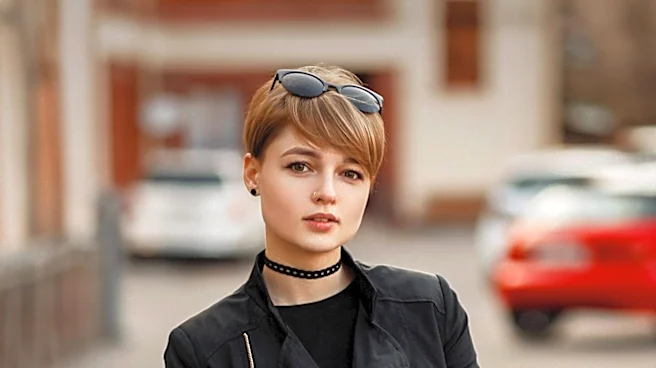
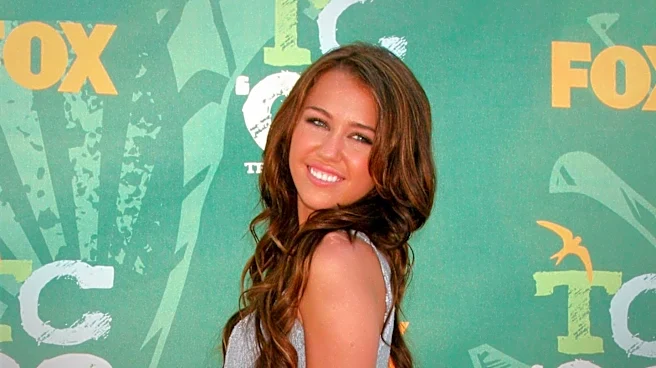
A dramatic haircut can signal a major life change, and for a pop star, there's no bigger stage for a rebrand than the VMAs. Miley Cyrus has had several hair transformations, but her choppy, bleach-blonde pixie cut for her "Bangerz" era was a statement of intent. It was a radical departure from her long-haired Disney past and perfectly complemented her provocative 2013 performance. The haircut was the visual manifestation of her new, edgier persona. It was sharp, rebellious, and signaled she was no longer playing by the old rules. In this context, the hair wasn't just a style choice; it was a narrative device, a shortcut to telling the world that a new era had begun, making it a powerful weapon in her public evolution.
The Weapon of Mass Spectacle
At an event defined by spectacle, hair becomes the final frontier of expression. While a daring dress has its limits, hair can be cut, colored, sculpted, and transformed in infinite ways. It allows an artist to add another layer of storytelling to their red carpet appearance. Eminem's army of bleach-blonde lookalikes in 2000 used identical hair to create an unforgettable performance art piece about fame and identity. Pink’s spiky, gravity-defying hair in the early 2000s perfectly encapsulated her punk-pop energy. Each of these moments demonstrates that hair styling is a strategic choice. It can amplify a theme, introduce a new persona, or simply create a moment of pure, unadulterated shock value.