





The Rise of the Flawless Finish
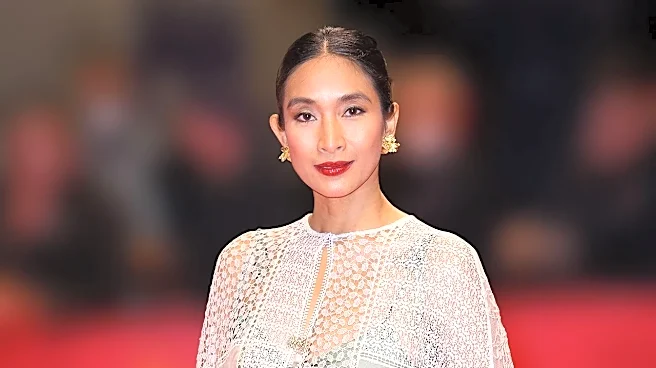
Another festival, another sea of perfectly acceptable gowns. This year's TIFF red carpet has showcased undeniable beauty, with stars arriving in meticulously planned ensembles from major fashion houses like Chanel, Dior, and Louis Vuitton. We've seen
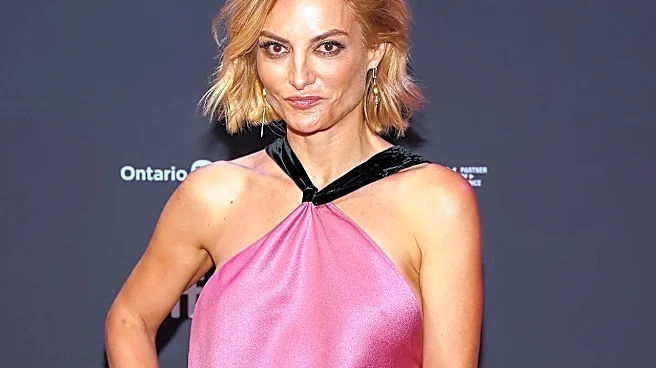
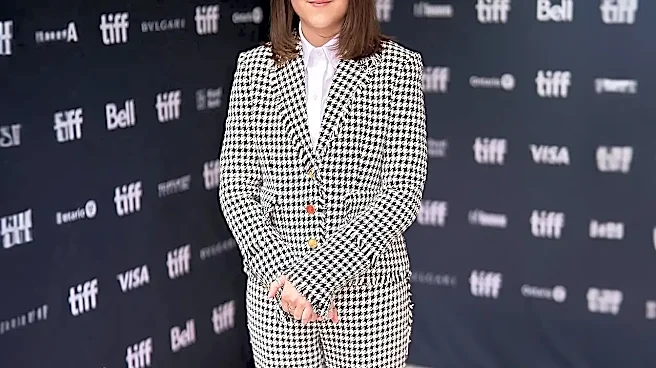
elegant column dresses, classic black gowns, and tastefully tailored suits that are, by all technical measures, flawless. The hair is perfect, the makeup is immaculate, and the jewelry is dazzling. Yet, amid this parade of perfection, a nagging feeling emerges: it’s all a bit boring. When every look is a carefully calibrated brand moment, executed without a single hair out of place, fashion loses its pulse. The perfectly safe choice, designed to land on every best-dressed list without causing a ripple, often becomes the most forgettable one. The result is a red carpet that feels less like a platform for personal expression and more like a high-end corporate presentation.
The Stylist's Dilemma: Safety Over Soul
So, why has red carpet fashion become so uniformly safe? The answer lies in the high-stakes ecosystem of celebrity styling. In an era dominated by social media, a single fashion misstep can lead to merciless online critique and a spot on the dreaded “worst-dressed” list. Stylists, who manage not just a celebrity's look but their overall brand image, have a strong incentive to play it safe. Big fashion houses, which often pay celebrities to wear their designs, also favor looks that are elegant and inoffensive, ensuring their brand is presented in the best possible light. This creates a landscape where risk is discouraged and personality is secondary to polish. The “tension” that makes an outfit exciting—the unexpected color, the weird silhouette, the clash of high and low—is ironed out in favor of something more predictable. This trend isn't unique to TIFF, but it feels particularly noticeable at a festival once known for slightly more relaxed, personality-driven style.
A Case for Creative Chaos
Thankfully, glimmers of individuality still break through. While much of the TIFF 2026 red carpet has felt restrained, some stars have embraced a more interesting approach. Noomi Rapace’s unusually persuasive case for an enormous collar was a moment of welcome weirdness. Sarah Paulson played with proportions in a bubble-shaped gown, and Chase Infiniti opted for a bold chartreuse mini-dress, proving that vibrant color isn't off-limits. These moments feel exciting because they have a point of view. They suggest a personality behind the clothes, not just a brand contract. They remind us that the most iconic fashion moments in history—from Björk’s swan dress to Julia Roberts accepting a Golden Globe in an oversized men's suit—were never about being perfect. They were about being memorable. They embraced the glorious, interesting messiness of personal taste.
What We Lose When Fashion Gets Too Perfect
When the red carpet becomes a homogenous stream of commercially safe looks, we all lose. Fashion loses a vital laboratory for experimentation, and the public loses the joy of seeing creativity and risk-taking in real-time. The most engaging red carpet moments are conversational; they can be polarizing, inspiring, or even just plain confusing. A look that starts a debate is infinitely more interesting than one that is met with a polite, and immediate, nod of approval. The perfectly coordinated styling we see so much of today shuts down that conversation before it can even begin. It’s the visual equivalent of a press release—professional, polished, and utterly devoid of suspense. By striving for a flawless ideal, the modern red carpet often sacrifices the very thing that makes it worth watching: the element of surprise.