
More Than Just Hot Air
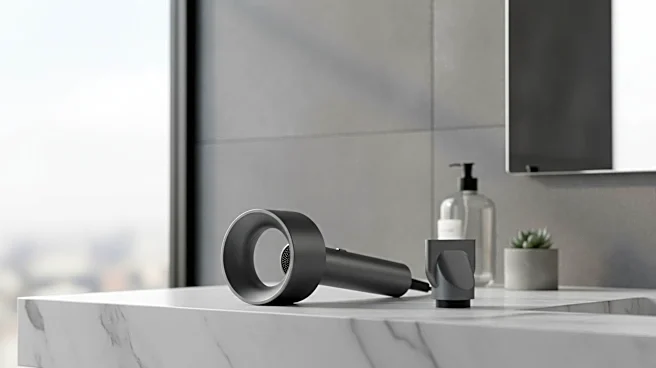
Before we get into the industry disruption, let's acknowledge the engineering. Dyson invested a reported £50 million and years of research to reinvent a product that hadn't fundamentally changed since
the 1960s. They shrunk the motor, placed it in the handle for better balance, and used what they call Air Multiplier technology to create a high-velocity, focused jet of air. The most crucial innovation, however, is its intelligent heat control, which measures air temperature over 40 times a second to prevent the extreme heat damage often associated with fast drying. This isn't just a new hair dryer; it's a complete technological rethinking of one.
The Reviewer-Led Revolution
Here’s where it gets interesting. While professional stylists were initially targeted, the Supersonic became a consumer phenomenon. Look at any major retailer and you'll find thousands of reviews. The recurring themes are striking: users rave about it cutting drying time in half, leaving hair smoother and shinier, and being surprisingly lightweight and quiet. This flood of positive, specific feedback created a level of trust and desire that traditional advertising struggles to match. It empowered consumers to make a $400+ investment based not on a stylist's recommendation, but on the documented experience of thousands of their peers. The reviews became the most powerful marketing tool.
The Salon's Silent Treatment
So why don't you hear more about it at your average salon? The answer is complicated. While Dyson does make a professional version, the consumer model's success presents a quiet threat. The ability for a client to achieve a near-salon-quality blowout at home undermines a key service offering. A professional blowout can cost anywhere from $60 to $100. When a client invests in a Supersonic, they are often, consciously or not, reducing their reliance on the salon for that specific service. For a salon, promoting a tool that decreases a client's need to visit them is a tricky proposition. It's not that stylists dislike the tool—many use and love it—but its core value proposition to consumers runs counter to the salon's service-based business model.
A New Bar for At-Home Care
The true significance of the Dyson Supersonic isn't about drying hair. It's a case study in how technology can empower consumers to take professional-grade services into their own hands. This trend was accelerated during the pandemic, when people were forced to find at-home alternatives for services they once outsourced. The Supersonic, along with its sibling the Airwrap, proved that a large market of consumers is willing to pay a premium for tools that deliver tangible results and reduce their dependence on service providers. It has forced competitors to innovate and created a new category of high-performance, high-cost personal care devices that are now a permanent fixture in the beauty landscape.