




An Unlikely Hollywood Connection
The story begins not in a boardroom, but at a refugee camp. In 1975, following the fall of Saigon, actress Tippi Hedren was volunteering at Hope Village, a camp for Vietnamese refugees in Northern California. As an international relief coordinator, she
was helping families resettle. The women in the camp were fascinated by her perfectly polished nails, a small symbol of a world away from their recent trauma. Hedren had an idea: what if this craft could become a vocation? She flew in her personal manicurist, Dusty Coots, to teach a group of 20 women the art of the manicure. It was a small act of kindness, an attempt to provide a marketable skill to women who had lost everything. Hedren had no idea she had just planted the seed for a nationwide industry.
From a Skill to an Empire
That first group of 20 trained women was just the beginning. Hedren helped them get licensed and find jobs in salons across Southern California. Their success created a ripple effect that spread rapidly through the Vietnamese-American community. The skill was passed from sister to cousin, friend to neighbor, creating a powerful knowledge network. For a community of refugees arriving with little capital and often limited English, the nail industry was an ideal entry point into the American economy. It was a service-based business with relatively low startup costs that didn't depend heavily on English proficiency. This community-driven growth eventually led to Vietnamese-owned beauty schools, which standardized training and further cemented their role in the industry.
The Economic Revolution
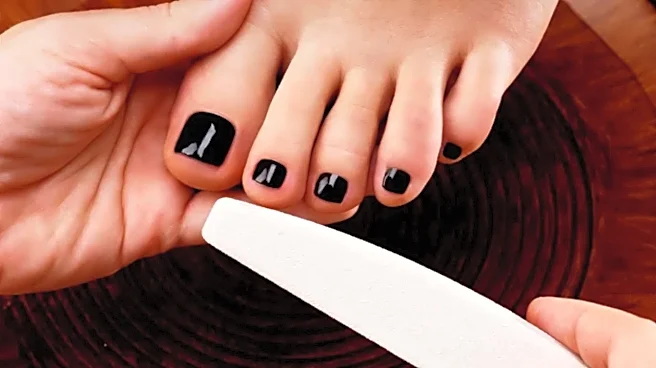
Before the 1980s, a pedicure was a high-end service, a luxury reserved for the wealthy in upscale beauty parlors, often costing the equivalent of over $50 in today's money. The influx of Vietnamese entrepreneurs completely reshaped the market. By focusing on a single service, operating with family labor, and building their own supply chains, they were able to drastically lower prices. A manicure-pedicure became an affordable treat, not just a special-occasion splurge. This competitive pricing democratized nail care, making it accessible to middle-class and working-class women for the first time. By 2021, an estimated 51% of all nail salons in the U.S. were Vietnamese-owned, transforming a niche luxury into a multi-billion dollar industry.
A New American Ritual
The rise of the affordable pedicure coincided with a major shift in American culture. The 1980s and 90s saw a growing emphasis on wellness, self-expression, and accessible indulgences. Getting your nails done was no longer just about glamour; it was framed as a form of self-care. It became a weekly or bi-weekly ritual, a moment of relaxation and personal maintenance. The pedicure chair became a place for friends to socialize or for an individual to enjoy a quiet, affordable luxury. This cultural shift, powered by the economic accessibility created by Vietnamese-American salons, cemented the pedicure's place in the modern American lifestyle.